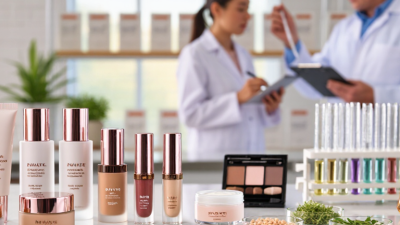
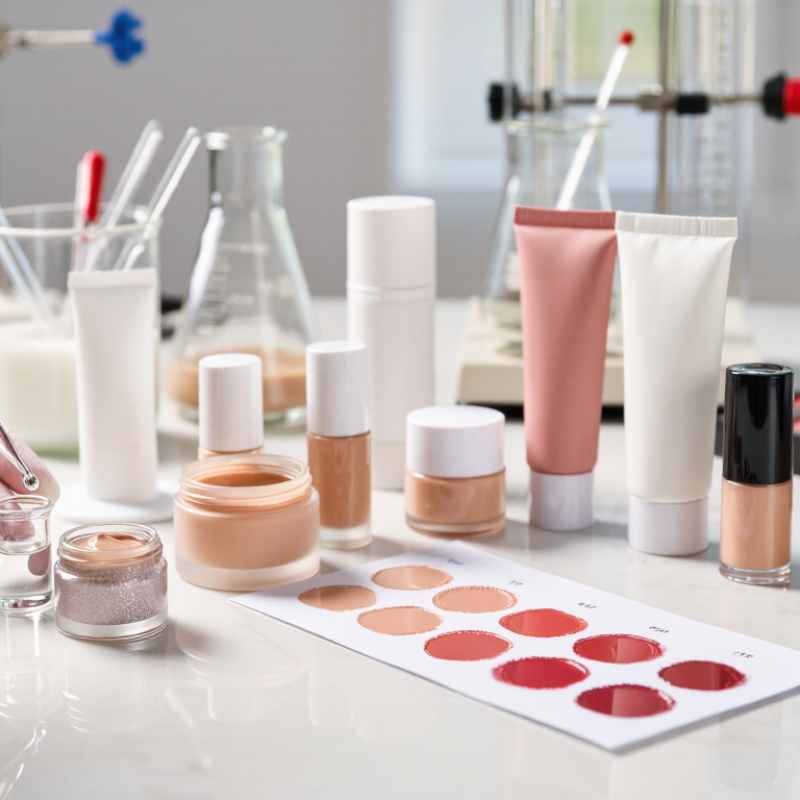
A cosmetic brand can begin with a sample jar, a shade card, and one practical question: who can make this product consistently? For founders, choosing among private label cosmetics manufacturers affects more than packaging. It shapes formulation options, production timelines, minimum order quantities, and the experience customers receive when they open the box.
Grand View Research estimated the global private label cosmetics market at USD 8.9 billion in 2023, with projected annual growth of 6.8% from 2024 to 2030. Those figures suggest opportunity, not guaranteed sales. Buyers still need to verify capabilities directly. A polished catalog cannot confirm batch consistency or realistic lead times.
Details matter. Ask for current product specifications, sample options, quality-control procedures, and clear explanations of customization limits. Cosmetic chemist and science communicator Michelle Wong offers a useful reminder: “Everything is a chemical.” It is a prompt to look past ingredient buzzwords and ask what a formula is designed to do. Not every supplier will be the right fit.
This guide compares 10 private label cosmetics manufacturers for 2026, focusing on product range, customization, production support, and practical fit for different brand needs. Company capabilities can change, and published information may not answer every question. Treat this shortlist as a starting point. Request documentation, test samples, and confirm details before committing.
European cosmetics retail sales reached €96 billion in 2023, signaling substantial demand across skincare, makeup, fragrance, and personal care. For retailers considering private label products in 2026, the figure offers useful context, not a guarantee of easy growth. Sales totals do not show which categories are expanding fastest or how much shoppers spend on each item. Details matter.
A capable manufacturing partner should make those details easier to assess. Ask for clear product specifications, ingredient documentation, stability testing information, and realistic production timelines. Request samples in the intended packaging; a cream’s texture can change after filling, while a pump may dispense unevenly. Small checks matter. Discuss minimum order quantities and revision processes before committing to a launch. These conversations can reveal whether a supplier’s capabilities suit a retailer’s budget and schedule.
The market is large, but a crowded shelf can still leave a new product unnoticed. Retailers should compare consumer feedback, price points, and repeat-purchase signals rather than treating Europe’s total sales as a forecast. Even experienced teams can misread a category. Market data is more useful when paired with hands-on product evaluation and candid questions about manufacturing capacity.
When comparing private label cosmetics manufacturers for 2026, ask how they apply ISO 22716 principles in daily production. The standard provides guidance for cosmetic good manufacturing practices, including personnel, premises, equipment, and quality control. A clean factory tour helps, but records matter too. Request examples of batch documentation, cleaning logs, staff training records, and procedures for handling deviations. Check whether those documents match the steps you see on the production floor.
Look for practical controls. Are ingredients clearly identified and stored under suitable conditions? Can staff trace a finished batch back to its raw materials? Ask how the manufacturer manages temperature-sensitive ingredients, equipment maintenance, and customer complaints. Strong answers should be specific, not just “we follow GMP.” ISO 22716 alignment does not, by itself, prove that a product is safe or effective. Review the manufacturer’s evidence and determine whether its processes fit your product and risk profile. Audits can miss things. That is worth remembering.
Tips: Ask to follow one sample batch from incoming materials to finished goods. Compare the records with what staff explain. Note gaps, even small ones, and ask how they are corrected. A polished presentation is useful, but consistent evidence is better.
Private label cosmetics manufacturers should be assessed on more than formulation and lead time. Ask who handles MoCRA records, which facility is registered, and how listing details are checked when formulas or labels change. Under FDA guidance, covered cosmetic facilities must renew registration every two years. The responsible person must submit product listings and update them annually. These are separate obligations. Registration is not FDA approval, and some small businesses or activities may qualify for exemptions. Confirm applicability with qualified regulatory support.
The market makes disciplined recordkeeping practical, not merely bureaucratic. Grand View Research’s Cosmetics Market Size, Share & Trends Analysis Report estimated the global cosmetics market at $355.3 billion in 2023 and projected 6.1% annual growth from 2024 to 2030. A growing product range can mean more listing details to maintain. Keep a dated product list, facility identifiers, ingredient information, and label versions in one controlled file. Ask prospective manufacturers to explain their handoff process in writing. A spreadsheet can still miss a revision. That deserves a second look. FDA guidance should remain the source of truth; market forecasts do not determine compliance.
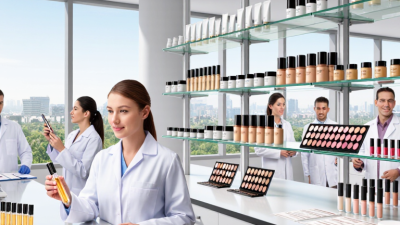
Comparing the 10 Best Private Label Cosmetics Manufacturers for 2026 means looking beyond attractive sample jars. Compare each manufacturer’s product range, minimum order quantity, development support, and documented quality checks. One may offer flexible formulas but limited packaging choices; another may handle custom shades yet require larger production runs. Ask how samples are tested and how changes are recorded before a formula moves into production. Details matter.
Request comparable quotes for the same product, quantity, packaging, and shipping terms. Check whether the price includes development fees, component sourcing, and stability testing. Ask for a realistic production timeline, plus examples of how the team manages delays or out-of-spec batches. A quick reply is useful, but it does not prove reliable manufacturing. I would not judge repeatability from one polished sample alone. It is an easy mistake.
Tips: Send all 10 candidates the same brief. Compare written answers, not just sales calls. Verify relevant certifications and audit records directly, and clarify who owns the formula and artwork. Keep notes. A small pilot order can reveal practical issues, though it cannot guarantee every future batch will match.
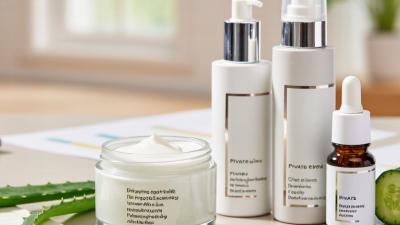
Choosing a private label cosmetics manufacturer for 2026 starts with fit, not a polished catalog. Compare the minimum order quantity (MOQ) with your sales forecast and cash flow. A 500-unit minimum may suit a test launch, while a larger run can lower per-unit costs but tie up inventory. Ask whether the MOQ applies per formula, shade, or package size. Details matter. Request samples made with the proposed formula, not only stock bases, and review texture, scent, spread, and stability notes. For color cosmetics, check shade range and pigment consistency. For creams, ask how viscosity and packaging compatibility are assessed.
Formulation expertise should match your product category. A lab experienced in emulsions may not be the right fit for powders or lip products. Ask for development stages, sample revisions, ingredient documentation, and ownership terms in writing. Scrutinize lead time too: separate lab development, component sourcing, production, and freight. An eight-week estimate can shift when jars or closures arrive late. Build a buffer. Confirm what causes delays and how updates are shared. Compare at least three suppliers using the same brief and packaging assumptions. This is not foolproof; early quotes can hide costs, and a small sample may not predict a full production batch. Still, a clear scorecard makes trade-offs visible and helps you choose by category, timing, and realistic order size.