7 Best Private Label Cosmetics Suppliers Worldwide
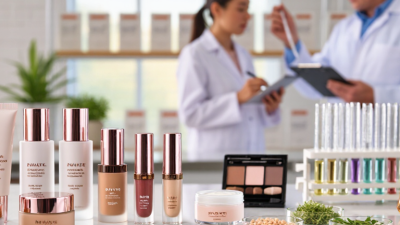
Launching a beauty brand no longer requires owning a factory or filling a warehouse. Private label cosmetics suppliers can provide formulation, packaging, testing support, and production at commercial scale. However, supplier quality differs widely.
Grand View Research valued the global cosmetics market at approximately US$446 billion in 2023. Its report projects continued growth through 2030, supported by skincare demand, premium products, and online retail. McKinsey also expects the global beauty industry to approach US$590 billion by 2028. These figures show opportunity, but they do not guarantee success for every new brand.
Execution matters more.
This guide reviews seven leading private label cosmetics suppliers worldwide. The comparison considers manufacturing experience, product development, minimum order quantities, packaging options, quality systems, and international supply capabilities. It also considers practical details, such as whether a supplier can produce a stable serum, match a requested shade, or deliver compliant labels for different markets.
NIQ’s recent retail reports show that private-label products continue gaining consumer acceptance across several major markets. Euromonitor International also identifies skincare, wellness-led beauty, and premium positioning as important category trends. Yet market reports usually describe broad behavior, not individual supplier performance.
That distinction matters. A supplier may appear impressive online but provide limited technical support. Another may offer excellent formulation work but require higher order volumes. No supplier is perfect.
The seven companies selected here represent different strengths, including turnkey manufacturing, customized formulation, sustainable packaging, and global fulfillment. Buyers should still verify certifications, testing records, sample quality, lead times, and contract terms directly. Treat this list as a practical starting point, not a final purchasing decision.
Private Label Cosmetics: Definition and Business Model
Private label cosmetics are products made by a qualified manufacturer and sold under another company’s label. The supplier may develop the formula, fill containers, print packaging, and prepare batch documents. The business owner chooses the product concept, target customer, price, and sales channel.
This model reduces the need for a private factory. It can also shorten development time. A supplier may offer ready-made formulas, custom textures, or limited formula changes. However, minimum order quantities, sample fees, packaging costs, and shipping can change the real budget. A low unit price may look attractive. It may not include testing or storage.
A reliable supplier should provide clear ingredient lists, stability information, batch traceability, and quality procedures. Ask how they control raw materials, filling conditions, and product consistency. Confirm whether packaging protects the formula from light, air, or contamination. Claims such as “hypoallergenic” or “natural” need careful evidence and market-specific review. Cosmetic rules differ between countries, so an importer or qualified regulatory professional should check labels before sale.
Small details reveal competence. Request a pilot batch and inspect the pump, scent, texture, seal, and printed text. Keep written approval records. Delays can happen. Formulas may also feel different after scaling from a sample to production. That part is often underestimated. A thoughtful buyer leaves time for revisions instead of treating the first sample as final.
7 Best Private Label Cosmetics Suppliers Worldwide — Private Label Cosmetics: Definition and Business Model
Skincare represents the largest share of the global beauty and personal care market, followed by haircare, makeup, fragrance, and bath and body products. In a private label model, a manufacturer develops or produces these products to a retailer’s specifications, while the retailer owns the brand, packaging, pricing, and customer relationship.
Market shares are rounded global category estimates based on publicly reported beauty and personal care industry segmentation data.
How to Evaluate Cosmetics Suppliers Worldwide
Choosing among the 7 best private label cosmetics suppliers worldwide requires more than comparing prices. A low quotation can hide weak testing, inconsistent batches, or costly delays. I would request current manufacturing certificates, product specifications, ingredient lists, and recent laboratory reports. Check whether the facility follows recognized cosmetic good manufacturing practices. Certificates should be verifiable, not simply attached as scanned files.
Ask for samples from different production batches. Compare texture, scent, color, packaging fit, and label accuracy. One sample proves very little. Review the supplier’s traceability system, complaint process, and procedure for handling recalled products. The supplier should explain where ingredients come from and how quality changes are controlled. Stay skeptical. A polished website is not evidence of reliable production.
Regional compliance also matters. Ingredient restrictions, language rules, claims, and responsible-person requirements differ between markets. Ask who checks these details and request written answers. Confirm minimum order quantities, payment terms, lead times, artwork approval, and shipping responsibilities. My early mistake was focusing too heavily on flexible quantities. The supplier was helpful, but delivery planning was weak. That experience taught me to check references from businesses with similar products and sales regions. A video audit can help, yet an independent inspection may reveal more. Leave room for honest uncertainty, because no supplier performs perfectly in every category.
Seven Leading Private Label Cosmetics Supplier Categories
7 Best Private Label Cosmetics Suppliers Worldwide
Seven Leading Private Label Cosmetics Supplier Categories
Private label cosmetics are expanding beyond basic contract manufacturing. Grand View Research estimates the global private label cosmetics market reached about USD 15.6 billion in 2023. It also projects strong growth through 2030. McKinsey’s beauty industry analysis expects the wider beauty market to approach USD 580 billion by 2027. These figures support careful supplier selection, not rushed purchasing.
The seven leading supplier categories cover skincare, color cosmetics, haircare, body care, men’s grooming, natural formulations, and professional or clinical products. Skincare suppliers should provide stability testing, preservative challenge results, and clear ingredient records. Color cosmetics suppliers need accurate shade matching and consistent pigment dispersion. Haircare and body care manufacturers often require fragrance control, viscosity testing, and packaging compatibility checks. Natural formulation suppliers should verify certification claims instead of relying on marketing language.
Professional suppliers may offer higher testing standards, but their minimum order quantities can be demanding. Some categories overlap. That can confuse new buyers. Ask for batch records, allergen information, production photographs, and independent laboratory reports. Review the factory’s quality system and regulatory support before signing an agreement. A sample may look excellent while the second batch changes texture. Details matter. Packaging leakage is also common when compatibility testing is skipped. I would not judge a supplier by a polished catalogue alone. Real reliability appears in documentation, repeat samples, and honest answers about failed tests.
Product Development, Customization, and Quality Standards
Private label cosmetics suppliers are most useful when they treat product development as a technical partnership, not a catalog transaction. A capable team can turn a texture brief into pilot samples, shade cards, and a documented formula. Ask how many revision rounds are included. Small details matter: a cream should spread evenly, absorb without pilling, and remain stable after temperature changes. My experience suggests that the first sample is rarely the final answer. It often reveals unclear claims or an unsuitable fragrance.
Quality should be visible in records, not only promises. Request ingredient specifications, allergen information, batch traceability, and test reports for stability, microbiological safety, and packaging compatibility. Manufacturing sites should follow recognized cosmetic quality systems, with controlled filling areas and calibrated equipment. Confirm that labels, claims, and safety files match the destination market. A supplier may offer vegan, natural, or sensitive-skin options, but these terms need evidence. Marketing language can move faster than laboratory data.
Customization also includes bottle fit, closure performance, color consistency, and minimum order planning. Test the pump with the actual viscosity. Check leakage after transport simulation. Review a golden sample before production, then retain sealed samples from each batch. This step feels slow, but it protects consistency. I would also challenge unrealistic launch dates; rushed approvals create avoidable risk. Good suppliers welcome questions, disclose limitations, and explain what they cannot guarantee. That honesty is more valuable than a polished sales deck.
Manufacturing, Compliance, Pricing, and Global Shipping Considerations
Choosing among seven private label cosmetics suppliers requires more than comparing catalog photos. In factory reviews, I look for batch records, trained quality staff, and clear change-control procedures. Ask whether formulas are made in-house or through an audited partner. Small details matter. A clean filling line, sealed retain samples, and stable temperature logs often reveal operational discipline. Request samples from at least two production lots, because one attractive sample proves little.
Compliance should be checked before a deposit is paid. A dependable supplier can provide ingredient documentation, safety assessments, specifications, stability data, and packaging compatibility records. Requirements vary by destination, product type, claims, and language. “Natural” or “hypoallergenic” should not be treated as automatic approvals. I have seen launch schedules slip when a label omitted mandatory warnings or used unsupported claims. An independent regulatory review is worth the extra cost.
Pricing needs a full landed-cost model. Include formula development, testing, artwork, molds, minimum order quantities, freight, insurance, duties, and storage. The lowest quote can become expensive after revisions. Ask for Incoterms, carton dimensions, pallet counts, lead times, and damage procedures. Air freight may protect a launch date, while sea freight usually lowers unit cost. Keep safety stock near the selling market. Forecasts are imperfect, and excess inventory can expire before customers see it. A written service agreement should define tolerances, inspections, payment milestones, and remedy timelines.