Choosing among the 10 Best Private Label Cosmetics Manufacturers requires more than comparing product catalogs. A promising partner should combine formulation expertise, consistent manufacturing, transparent communication, and dependable quality control. This guide explores manufacturers that support private label cosmetics brands with practical services, including product development, packaging, sampling, testing, and production planning.
Real experience matters here. A supplier may offer attractive prices, but weak documentation can create costly delays. Ask about ingredient sourcing, batch records, stability testing, quality systems, and minimum order quantities. Request samples before approving a large production run. Examine the texture, scent, color, packaging fit, and label accuracy under real conditions.
No supplier is perfect. That deserves attention.
The strongest manufacturers usually explain their processes clearly and provide evidence for their claims. Relevant certifications, facility standards, regulatory knowledge, and responsive customer support can help reduce avoidable risk. However, certifications should be verified, not simply displayed on a website. Product performance also depends on your formula, target market, packaging choice, and storage conditions.
This overview is designed to help founders, retailers, and established beauty companies compare potential partners more carefully. It considers manufacturing capabilities, customization options, quality assurance, communication, scalability, and overall value. Some companies may excel at skincare, while others specialize in color cosmetics or sustainable packaging. The right choice depends on your business goals.
A polished presentation can still hide gaps. Careful questions reveal more. Use this guide as a starting point, then confirm current information directly with each manufacturer before making a commercial decision.
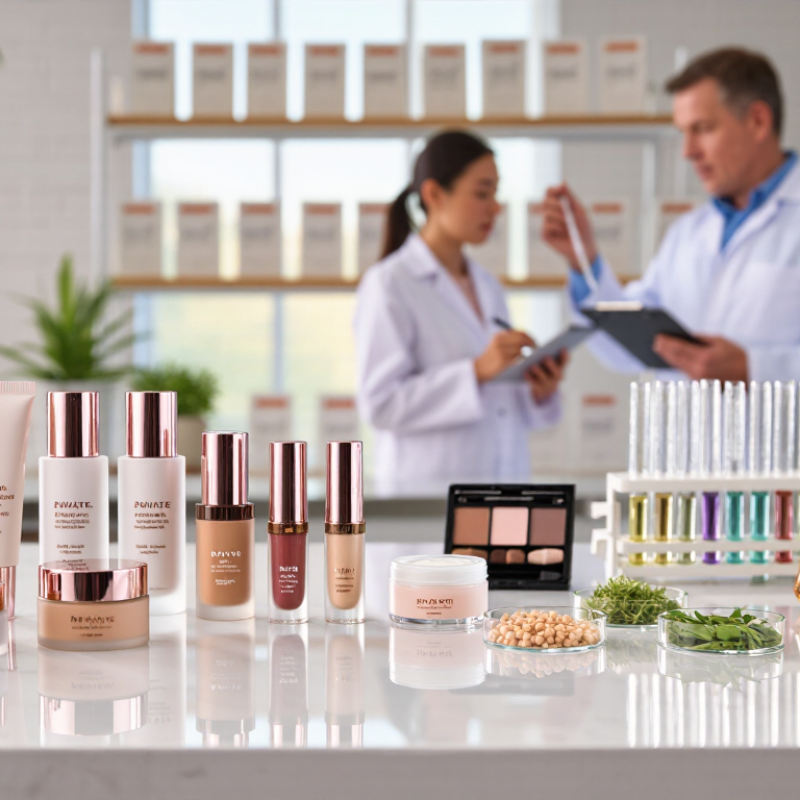
Private label cosmetics manufacturers produce beauty products that another company sells under its own name. They may formulate a cream, fill bottles, print labels, and manage batch documentation. The buyer usually chooses the product base, fragrance, packaging, and claims. Some manufacturers offer ready-made formulas. Others develop products from a detailed brief. That difference matters. Grand View Research estimated the global private label cosmetics market at approximately US$15 billion in 2022, with continued growth projected through 2030. The figure shows demand, but not every supplier offers equal technical depth.
A reliable manufacturer should explain testing, ingredient sourcing, stability results, and minimum order quantities clearly. Ask for an INCI ingredient list, certificate of analysis, microbiological testing, and production records. ISO 22716-aligned practices can indicate stronger cosmetic manufacturing controls, although certification alone does not prove product quality. A small pilot batch is useful. Test the cream after heat exposure, shipping vibration, and several weeks of use. A label that looks attractive may still fail if the pump clogs or the formula separates. Euromonitor International’s beauty industry analysis continues to identify affordability and accessible innovation as important market forces, which helps explain private label growth. Still, low cost can hide weak packaging or limited after-sales support. The best evaluation combines documents, samples, factory communication, and realistic claims. A polished factory tour is not enough.
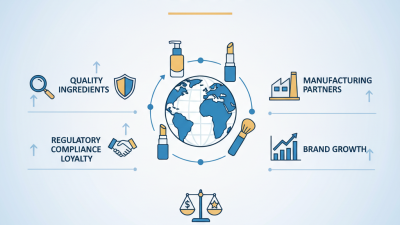
Private label cosmetics manufacturers produce beauty products that other businesses sell under their own names. This editorial benchmark highlights the main factors buyers should assess when comparing manufacturers, including regulatory compliance, product quality, formulation support, production flexibility, and supply-chain reliability. The percentages represent recommended evaluation weights rather than company-specific performance data.
Choosing among the 10 best private label cosmetics manufacturers requires more than comparing prices. A reliable evaluation begins with production experience, transparent documentation, and consistent product quality. Ask how long the facility has operated and which product categories it handles regularly. Request recent certificates, ingredient specifications, batch records, and testing procedures. Strong manufacturers explain their quality systems clearly. Vague answers deserve caution.
Tips: Order samples from several facilities. Check texture, scent, color, packaging fit, and label accuracy. Ask for stability and microbiological testing when appropriate. Confirm minimum order quantities, production timelines, payment terms, and replacement policies in writing. Visit the facility if possible, or arrange a live video audit. Small details matter.
A capable partner should understand cosmetic regulations in your target markets. Review ingredient lists against current requirements, claim wording, labeling rules, and safety documentation with a qualified professional. Do not accept copied formulas without checking their ownership and suitability. I have found that fast communication often predicts smoother production, but it is not proof of quality. One manufacturer may offer excellent samples yet struggle with larger batches. Another may appear less polished but maintain stronger records. That difference is easy to miss. Evaluate at least two production batches before making a final decision. Reliable evidence beats attractive promises.
Who are the 10 best private label cosmetics manufacturers? A useful answer starts with evidence, not glossy catalogs. Grand View Research valued the global cosmetics market at about $446.2 billion in 2023. McKinsey projects the broader beauty market could reach nearly $590 billion by 2028. This growth creates opportunity, but also supplier risk. The largest factory is not always the safest choice.
The strongest ten profiles include a GMP-certified skincare specialist, a color-cosmetics laboratory, and a low-MOQ startup partner. Add a manufacturer with strong microbiological testing. Consider one with proven stability-testing facilities. A packaging integration expert can reduce delays. A sustainable-formula developer may support changing buyer expectations. A fragrance-free specialist can serve sensitive-skin markets. Choose a facility with flexible batch sizes. Include a partner experienced in regional compliance documents. The final profile should offer reliable production forecasting.
NIQ’s 2024 State of Private Label report highlights quality and value as key purchase drivers. Therefore, request batch records, certificates of analysis, stability data, and production samples. Verify ISO 22716 practices through an independent audit, rather than accepting a website claim. Ask for realistic lead times. Then test communication during a small pilot order. That step often reveals more than a polished factory tour. I would also compare defect rates, not only unit prices. Some evaluations remain imperfect because suppliers may share incomplete performance data. That uncertainty deserves careful documentation and honest review.
Comparing ten private label cosmetics manufacturers requires more than checking a price sheet. Product depth varies widely, from ready-made lip oils and cleansers to custom emulsions, pressed powders, and fragrance-free skincare. McKinsey’s 2023 beauty market report projects the global beauty sector could reach about $580 billion by 2027. That growth increases supplier choices, but it also makes verification harder. A polished catalog proves little.
Minimum orders often reveal the real business model. Stock formulas may start near 500 units, while custom formulas, printed packaging, or new molds can require 2,000 to 10,000 units. These figures are practical market ranges, not universal rules. Packaging, filling method, stability testing, and destination regulations can change them quickly. Some manufacturers offer formulation support, sample revisions, safety documentation, filling, labeling, and fulfillment. Others only produce the formula. Ask for a line-item quotation.
Service quality deserves equal weight. The Global Cosmetic Industry report has repeatedly emphasized testing, traceability, and regulatory documentation as core manufacturing concerns. Check whether the supplier provides batch records, ingredient specifications, microbiological testing, and stability data. Request a pilot batch. Small details matter, such as a leaking pump after two weeks or color variation between lots. I would not choose the lowest MOQ automatically. It may reduce cash risk, yet increase unit costs or limit customization. That trade-off is easy to miss. Reports offer market direction, but direct samples, factory audits, and written quality agreements provide stronger evidence.
The comparison below uses anonymized manufacturer profiles. Minimum order quantities are typical starting ranges commonly quoted for private-label production and may vary by formula, packaging, customization level, testing requirements, and production location.
| Profile | Primary Product Strengths | Private Label Services | Customization Level | Typical Certifications or Compliance Support | Typical MOQ | Sample Lead Time | Production Lead Time | Best Suited For | Overall Fit |
|---|---|---|---|---|---|---|---|---|---|
| Manufacturer 01 | Skincare, facial serums, creams, cleansers, masks | Stock formulas, custom formulation, packaging sourcing, filling, labeling, stability testing | High | GMP manufacturing, ingredient documentation, safety assessment support, product testing coordination | 500–1,000 units | 1–3 weeks | 8–12 weeks | Emerging skincare brands and dermatology-inspired lines | ★★★★★ |
| Manufacturer 02 | Makeup, foundation, concealer, lipstick, mascara, powders | Color matching, shade development, stock packaging, component sourcing, artwork assistance | High | GMP systems, color and microbiological testing, regulatory documentation support | 1,000–3,000 units per shade | 2–4 weeks | 10–16 weeks | Color cosmetics brands requiring multiple shades | ★★★★★ |
| Manufacturer 03 | Natural skincare, botanical products, balms, oils, body care | Natural ingredient sourcing, organic-style formulations, bulk manufacturing, filling and labeling | Medium–High | GMP, organic documentation support where applicable, allergen and ingredient traceability records | 500–2,000 units | 2–3 weeks | 8–14 weeks | Clean beauty and plant-based product ranges | ★★★★☆ |
| Manufacturer 04 | Hair care, shampoos, conditioners, styling products, scalp treatments | Formula adaptation, fragrance selection, bottle and tube sourcing, filling, labeling and packing | Medium | GMP, preservative efficacy testing, stability testing, ingredient and safety files | 1,000–5,000 units | 2–4 weeks | 10–14 weeks | Salon, wellness and professional hair-care brands | ★★★★☆ |
| Manufacturer 05 | Body care, lotions, scrubs, shower products, hand care | Ready-made formulas, fragrance customization, packaging assembly, labeling and fulfillment preparation | Medium | GMP, batch records, microbial testing, stability documentation and label review support | 500–2,500 units | 1–3 weeks | 8–12 weeks | Retailers and lifestyle brands launching limited collections | ★★★★☆ |
| Manufacturer 06 | Fragrance, body mist, perfume oils, scented personal care | Fragrance development, scent matching, bottle sourcing, decoration, filling and secondary packaging | High | GMP, fragrance documentation, safety data support, flammable-goods shipping guidance | 1,000–5,000 units | 3–6 weeks | 12–20 weeks | Premium fragrance and boutique personal-care brands | ★★★★☆ |
| Manufacturer 07 | Small-batch skincare, sensitive-skin products, niche treatments | Low-volume stock formulas, basic formula adjustments, labeling, kitting and small-batch packing | Medium | GMP-based processes, basic product testing, ingredient and batch documentation | 100–500 units | 1–2 weeks | 4–8 weeks | Startups, testing launches and direct-to-consumer brands | ★★★★☆ |
| Manufacturer 08 | Professional skincare, spa products, masks, peels and treatment products | Custom formulation, active-ingredient selection, professional-use packaging and technical documentation | High | GMP, stability and compatibility testing, safety assessment and regulatory file support | 1,000–3,000 units | 3–5 weeks | 12–18 weeks | Spas, clinics and results-oriented skincare businesses | ★★★★★ |
| Manufacturer 09 | Value skincare, basic makeup, gift sets and promotional cosmetics | Stock catalog selection, standard packaging, private labeling, multipack assembly and export packing | Low–Medium | GMP, routine quality checks, batch documentation and standard export paperwork | 2,000–10,000 units | 2–4 weeks | 8–14 weeks | Mass-market, promotional and price-sensitive product programs | ★★★☆☆ |
| Manufacturer 10 | Multi-category cosmetics, complete beauty collections and seasonal sets | Concept development, formulation, packaging design coordination, manufacturing, kitting and logistics support | High | GMP, product safety files, stability testing, regulatory support and international documentation | 1,000–5,000 units | 3–5 weeks | 12–20 weeks | Established brands seeking one-stop global sourcing | ★★★★★ |
Choosing the right private label cosmetics manufacturer starts with evidence, not attractive packaging. Request current quality certifications, facility details, and product testing records. A reliable partner should explain batch traceability, ingredient sourcing, and contamination controls in clear language. Visit the facility when possible. Photos are not enough.
Ask for samples made with the same formula and process used for production. Check texture, scent, color, packaging fit, and stability after several weeks. Review ingredient lists with a qualified cosmetic professional. Confirm that product claims have suitable evidence and follow the regulations of each target market. Good manufacturers will not promise impossible results.
Your budget also needs careful testing. Compare minimum order quantities, tooling fees, testing costs, lead times, and payment terms. A low unit price can hide expensive delays or weak quality controls. Clarify who owns the formula, artwork, molds, and test reports. Put every responsibility in writing.
Communication matters more than many buyers expect. Ask how quickly the team handles a failed sample or a delayed shipment. I once focused too heavily on price and overlooked response times. That mistake created unnecessary revisions. I would now score each candidate against quality, transparency, flexibility, and documented experience. No manufacturer will be perfect, and early concerns deserve honest discussion.