Top Wholesale Skincare Suppliers for Global Buyers?

Choosing the right wholesale skincare supplier can shape a buyer’s reputation, margins, and customer trust. Global buyers need more than attractive prices. They need consistent formulas, clear ingredient lists, dependable production, and responsive communication.

Dr. Zoe Diana Draelos, a respected cosmetic dermatologist, once said, “The best sunscreen is the one you will use every day.” Her point applies beyond sunscreen. A product succeeds when customers can use it safely, comfortably, and consistently. That practical standard should guide every wholesale skincare decision.

This guide examines suppliers serving international retailers, clinics, salons, and private-label brands. It considers product quality, manufacturing experience, minimum order quantities, packaging options, documentation, and delivery performance. A supplier may offer beautiful jars and persuasive samples. Yet the real test begins with batch records, stability information, safety assessments, and transparent answers.

Look closely at the details. Does the supplier explain storage temperatures? Can it provide traceable batch numbers? Are claims supported by suitable evidence? Does the packaging survive a long journey without leaking?

Price still matters. However, the cheapest carton can become expensive after delays, damaged goods, or inconsistent texture. I have seen buyers focus heavily on unit cost and overlook communication speed. That mistake is easy to repeat.

No supplier is perfect. Some websites look polished but reveal little operational evidence. Others have strong factories but weak branding support. Buyers should compare carefully, request samples, and verify current documentation before placing significant orders. This article highlights leading options, while acknowledging that supplier performance can change by market, season, and product category.
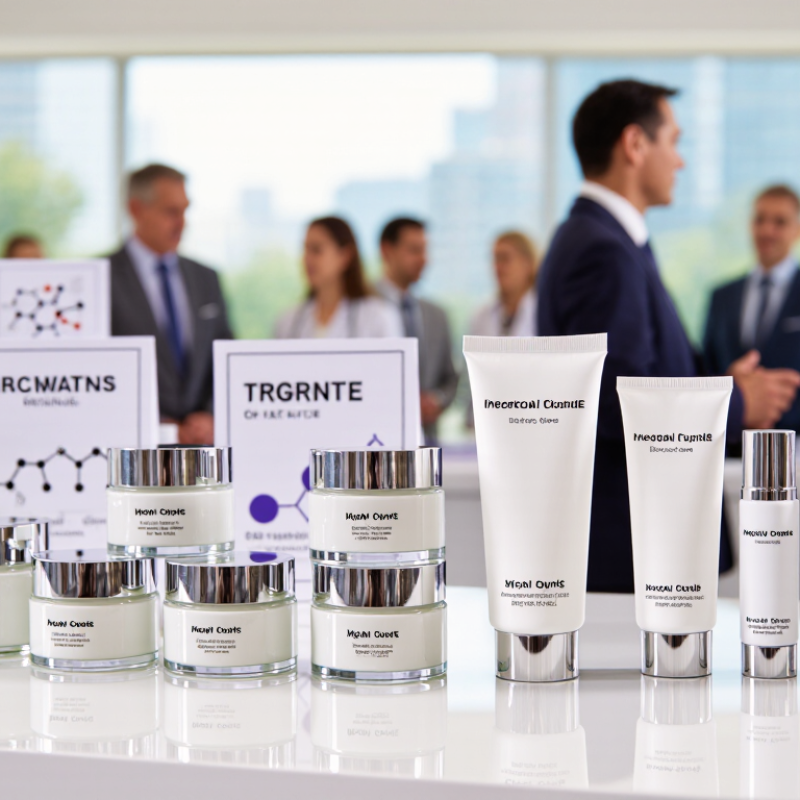
Top Wholesale Skincare Suppliers for Global Buyers?

Defining Wholesale Skincare Suppliers and Their Role in Global Trade

Wholesale skincare suppliers are commercial partners that source, formulate, manufacture, or distribute products in volume. They connect producers with retailers, clinics, online sellers, and regional importers. Their role extends beyond price negotiation. A dependable supplier manages batch consistency, ingredient records, labeling files, safety documentation, and export packing. In practice, buyers often judge reliability through a clear audit trail, not a glossy catalogue. Small details matter.

Grand View Research valued the global skincare market at USD 155.7 billion in 2023. Its report forecasts a 4.7% compound annual growth rate from 2024 to 2030. This scale creates demand for suppliers serving different climates, languages, package sizes, and compliance systems. International Trade Centre Trade Map data also shows extensive cross-border trade in beauty and personal-care preparations under HS 3304. However, this classification groups many products together. It cannot prove demand for one cream. This limitation deserves attention.

For global buyers, supplier assessment should combine experience with evidence. Request recent certificates, batch test results, stability information, minimum order quantities, lead times, and sample invoices. Verify whether product claims match the formula and local market rules. ISO 22716-based controls can support good cosmetic manufacturing practice, but certification alone cannot guarantee every shipment. Forecasts are useful, yet imperfect. A supplier may appear efficient until a delayed container, damaged pump, or reformulation exposes weak communication. Responsible sourcing depends on documented processes, responsive quality teams, and realistic landed-cost calculations.

Key Criteria for Evaluating International Skincare Suppliers

Top Wholesale Skincare Suppliers for Global Buyers

International supplier evaluation requires more than comparing prices. Review manufacturing experience, product consistency, and export capability. A polished catalog can still hide weak quality controls.

Request recent certificates, ingredient lists, safety data, and batch records. Check whether testing covers stability, microbiological safety, and packaging compatibility. Verify certificates with the issuing organization when possible. Do not rely on scanned documents alone. Ask for samples from different production batches. Compare texture, scent, color, labeling, and filling accuracy. Small differences may signal process problems.

Traceability matters. Each shipment should connect clearly to a batch number, production date, and test report. Reliable suppliers explain their minimum order quantities, lead times, storage conditions, and complaint procedures. They should also understand destination-market labeling rules and provide accurate customs documents. Vague answers deserve caution. A low price is not a complete advantage if delays damage seasonal sales. I used to focus too heavily on unit cost. That approach ignored reformulation risks and slow communication. Supplier evaluation is still partly judgment, not a perfect formula. Score evidence, not promises. Begin with a controlled order before expanding volume.

Top Wholesale Skincare Suppliers for Global Buyers

Key Criteria for Evaluating International Skincare Suppliers

This procurement scorecard assigns a practical 100-point weighting to the factors global buyers should review before selecting a wholesale skincare supplier. Regulatory compliance, product quality, and supply reliability receive the highest priority because they directly affect market access, consumer safety, and order continuity.

Product Standards, Certifications, and Regulatory Compliance

Global buyers should assess wholesale skincare suppliers beyond price and packaging. Product standards reveal how consistently a supplier controls quality. Ask for complete ingredient lists using recognized INCI names. Request batch-specific certificates of analysis, safety data sheets, and microbiological test results. Stability testing should reflect the product’s packaging and expected storage conditions.

Reliable suppliers usually follow documented manufacturing systems, such as GMP or ISO 22716 practices. However, a certificate alone does not prove daily compliance. Review audit dates, batch records, complaint procedures, and product traceability. Check whether labels meet the rules of each destination market. Claims like “organic,” “hypoallergenic,” or “clinically proven” need suitable evidence. Requirements can differ sharply between regions.

Tips: Build a compliance file for every product. Include formulas, test reports, artwork approvals, and supplier declarations. Verify that documents match the exact batch and factory location. Ask who manages regulatory communication after shipment. This detail is often overlooked. Also, test samples independently when risk is high. No checklist is perfect. A supplier may provide correct documents while handling production inconsistently. Regular audits, retained samples, and clear corrective-action terms can expose those gaps before they affect customers.

Ordering, Pricing, Minimum Quantities, and Supply Chain Considerations

Wholesale skincare suppliers should be assessed through ordering discipline, not attractive catalogs alone. Request product specifications, ingredient lists, stability data, and recent batch records before placing a large order. Ask how orders are confirmed, changed, and tracked. A responsive supplier should provide clear quotations, lead times, and export documentation. Test samples in real packaging when possible. A cream may feel excellent in a jar but separate after weeks in transit.

Pricing depends on formula complexity, packaging, testing, freight, and payment terms. Compare the landed cost, not only the unit price. Ask whether tooling, artwork, samples, and inspection fees are separate. Minimum order quantities can range widely. A practical negotiation may combine several scents or package colors, but only when quality controls remain consistent. Smaller trial orders protect cash flow. They also reveal weaknesses. We once underestimated carton volume and paid more for storage than expected.

Supply chain checks should cover ingredient origins, backup materials, production capacity, and shipping routes. Request a written production schedule with inspection points. Keep safety stock before seasonal demand, but avoid holding fragile products for too long. Temperature, humidity, and light can affect texture and appearance. Build a contingency plan for delayed ingredients or port congestion. It need not be perfect. Review it after every shipment. Reliable sourcing comes from repeated evidence, careful records, and suppliers willing to discuss problems openly.

Top Wholesale Skincare Suppliers for Global Buyers? - Ordering, Pricing, Minimum Quantities, and Supply Chain Considerations

Supplier / Product Type Common Product Formats Typical Wholesale Price Range
per Unit (USD)
Typical MOQ Estimated Production Lead Time Customization Options Main Supply-Chain Considerations
Stock private-label manufacturer Cleansers, toners, moisturizers, serums $1.50–$8.00 100–1,000 units per SKU 4–10 weeks Label, carton, fragrance, color, and limited formula adjustments Usually the fastest route; confirm available stock, remaining shelf life, packaging compatibility, and batch traceability.
Custom-formula contract manufacturer Treatment serums, creams, masks, exfoliants $2.50–$15.00 1,000–10,000 units per SKU 12–24 weeks Formula development, active concentration, packaging, testing, and artwork Allow time for stability, preservative, compatibility, and safety testing before mass production.
Bulk skincare ingredient supplier Botanical extracts, oils, butters, humectants, powders $4–$40 per kg for common materials 5–25 kg per ingredient 2–8 weeks Grade, concentration, particle size, extraction method, and packaging size Verify INCI names, country of origin, allergen information, COA, SDS, microbiological limits, and storage conditions.
Ready-made professional skincare distributor Facial care, body care, salon and spa products $3.00–$25.00 1–12 cases or mixed cartons 2–14 business days if stocked Usually limited to assortment and private labeling through a separate service Suitable for testing demand; check authorized distribution, batch dates, export restrictions, and replenishment reliability.
Organic or natural-focused manufacturer Balms, facial oils, botanical creams, soaps $2.00–$14.00 300–3,000 units per SKU 8–16 weeks Certified ingredients, fragrance profile, packaging materials, and label claims Certification scope varies; confirm whether certification covers ingredients, processing, packaging, and finished products.
Dermocosmetic or clinical-product manufacturer Barrier creams, acne-care products, sensitive-skin formulas $4.00–$20.00 1,000–10,000 units per SKU 12–26 weeks Active ingredients, dosage form, testing package, packaging, and regulatory documentation Avoid unsubstantiated medical claims; regulatory classification can differ by destination market.
Sustainable-packaging skincare supplier Refill pouches, glass jars, aluminum tubes, solid bars $2.00–$16.00 500–5,000 units per SKU 8–18 weeks Material selection, decoration, refill system, closure, and carton design Evaluate leakage, breakage, recyclability claims, material certification, and packaging weight for freight costs.

Global Ordering, Pricing, and Logistics Reference

Data Dimension Typical Range or Requirement What Buyers Should Confirm
Sample order cost Often $30–$300, excluding international shipping and duties Whether sample fees are refundable, how many samples are included, and whether samples come from production batches.
Payment terms Commonly 30%–50% deposit with balance before shipment for new buyers Payment milestones, accepted currencies, bank charges, credit terms, and protection against unauthorized account changes.
Shipping terms EXW, FOB, CIF, DAP, or DDP depending on supplier and destination Named delivery location, inclusion of freight and insurance, import taxes, customs clearance, and responsibility for local compliance.
Typical freight transit Air: approximately 5–15 days; sea: approximately 25–60 days, excluding customs Port congestion, seasonal delays, dangerous-goods classification, temperature exposure, and final-mile delivery time.
Remaining shelf life at shipment Preferably at least 75% of the stated shelf life Manufacturing date, expiry date, PAO symbol, storage conditions, and minimum shelf-life guarantee in the purchase contract.
Quality documentation COA, SDS where applicable, ingredient list, batch records, microbiological results, and stability information Document validity, batch matching, testing laboratory, specification limits, and retention-sample procedures.
Manufacturing standards Cosmetic GMP systems such as ISO 22716 are commonly requested Certificate scope, issuing body, audit date, manufacturing site, and whether the certificate covers the relevant product category.
Defect and replacement terms Commercial terms should define an inspection window and remedy for verified defects Acceptable quality limits, inspection method, photo evidence, replacement or credit process, and responsibility for return freight.
Landed-cost planning Product cost plus packaging, tooling, testing, freight, insurance, duties, taxes, brokerage, and warehousing Calculate cost per saleable unit rather than factory price alone, including damaged units, currency fluctuation, and inventory carrying costs.

Note: Prices, minimum quantities, and lead times are indicative industry ranges for planning purposes. Actual terms vary by formula complexity, packaging, order volume, destination market, testing requirements, and negotiated Incoterms.

Building Reliable Partnerships with Global Skincare Suppliers

Top Wholesale Skincare Suppliers for Global Buyers?
Building Reliable Partnerships with Global Skincare Suppliers

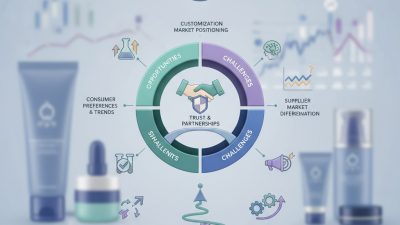
Reliable skincare partnerships begin with evidence, not attractive product photos. Experienced buyers should review ingredient lists, batch records, stability data, and quality certificates before discussing large orders. A capable supplier explains production capacity, minimum quantities, lead times, and packaging limits clearly. Ask for samples from a current batch. A perfect sample may still hide inconsistent production.

Communication matters after the first purchase. Confirm approval procedures, shipment documents, testing responsibilities, and change-notification rules in writing. Suppliers serving different markets should understand applicable cosmetic requirements without making unsupported claims. Regular video calls can reveal factory organization, but remote checks are not enough. Independent inspections may uncover issues that friendly conversations miss. I have seen promising partnerships weaken because small delays were ignored early. That mistake is worth remembering.

Tips: Start with a modest trial order. Compare samples under normal storage conditions. Request clear corrective-action records after any quality issue. Keep one shared specification sheet, including color, scent, texture, fill weight, and packaging details. Discuss realistic forecasts instead of promising volumes that may never arrive. Good suppliers also admit limits. That honesty can feel uncomfortable, yet it often protects long-term cooperation. Reassess performance quarterly, and leave room for improvement.

Scroll to Top