The private label skin care products market is expanding beyond simple white-label creams and scented body oils. Buyers now expect clear formulas, credible testing, attractive packaging, and consistent results. A product may look beautiful on a shelf, yet fail when its texture separates, its pump leaks, or its claims sound medically exaggerated. Small details matter.
Cosmetic chemist Perry Romanowski has stated, “Cosmetics are not drugs.” This distinction should guide every product choice in this list. A private label brand should examine ingredient lists, supplier documentation, stability data, microbial testing, packaging compatibility, and manufacturing standards. Local cosmetic rules also deserve careful review before launch. Compliance is not decoration. It protects customers and strengthens trust.
This guide explores ten private label skin care products with practical selling potential. The selection considers everyday demand, formulation complexity, packaging appeal, and realistic brand positioning. Facial cleansers, moisturizers, body scrubs, serums, and lip treatments may attract different customer needs. Some products offer easier entry, while others require stronger technical support.
The list is useful, but it is not flawless. Market demand can change quickly. A popular ingredient can become ordinary within months. A low purchase price can also hide weak documentation or inconsistent quality. For that reason, each opportunity should be checked through samples, supplier conversations, product testing, and customer feedback. Look closely. Ask better questions. A successful private label skin care products strategy is not built only on trends. It grows through reliable formulas, honest claims, thoughtful presentation, and patient improvement.
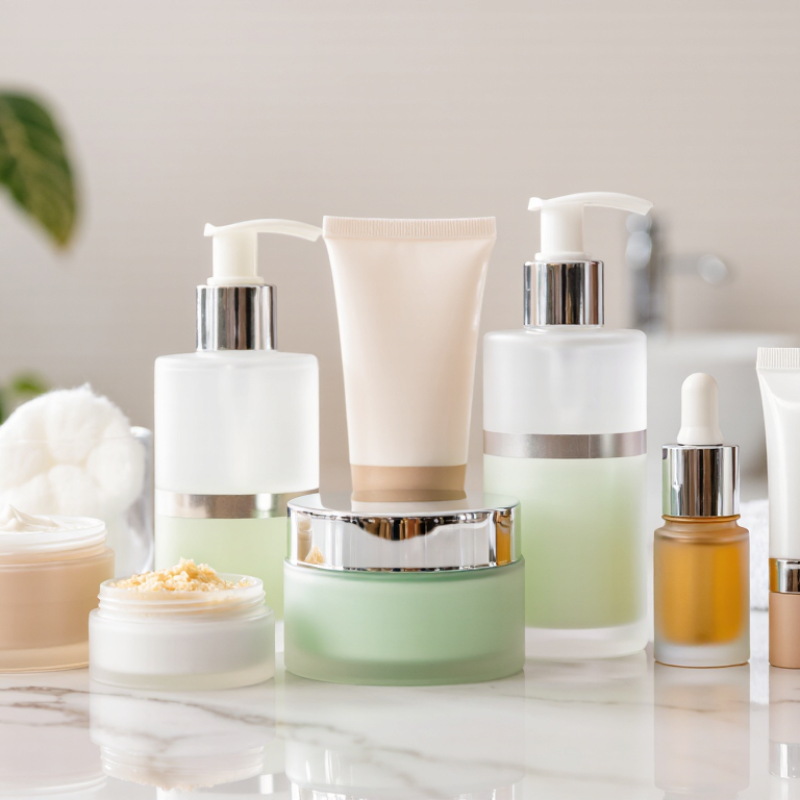
Private label skin care products are formulas made by a manufacturer and sold under a retailer’s own name. The seller chooses packaging, positioning, and sometimes ingredient adjustments. Popular options include facial cleansers, moisturizers, serums, sunscreens, lip balms, body lotions, scrubs, masks, eye creams, and hand creams. This model can shorten development time. It also lets a small store test a focused routine, such as a cleanser, hydrating serum, and night cream. The products sell because customers often want simple solutions for dryness, oiliness, dullness, or sensitivity. Clear use cases matter.
Demand alone is not proof of a good product. A reliable seller checks batch records, stability data, ingredient specifications, packaging compatibility, and required cosmetic labeling before launch. Claims need restraint; “supports hydration” is safer than promising to cure a skin condition. Local rules differ, so qualified regulatory advice remains valuable. I would also request samples and use them repeatedly under ordinary conditions. A serum that feels sticky after ten minutes may fail, despite attractive packaging. That small test is easy to skip. Private label is not effortless. Minimum order quantities, inconsistent texture, weak instructions, and slow reordering can damage trust. I might choose fewer products first, measure returns and repeat purchases, then improve the formula or presentation. Sales are possible, but credibility grows slowly.
Choosing private label skin care products requires more than following social media trends. Review search volume, customer reviews, and seasonal demand before contacting a supplier. Strong options may include facial cleansers, moisturizers, sunscreens, serums, eye creams, body lotions, lip treatments, clay masks, exfoliants, and hand creams. Demand should appear across several channels, not only one viral video.
Request samples from multiple manufacturers and inspect texture, scent, packaging, and stability. Test how the cleanser foams after repeated use. Check whether the moisturizer separates in warm conditions. Ask for ingredient documents, batch testing, shelf-life data, and clear manufacturing information. Local cosmetic requirements still matter. Never rely on attractive packaging alone.
Calculate the full landed cost. Include product, containers, labels, shipping, storage, platform fees, advertising, and expected returns. A product costing four dollars may require twelve dollars to sell profitably. Compare that figure with realistic competitor prices. Target a margin that can survive discounts. It is tempting to choose the highest-margin serum, but poor repeat purchases can erase the advantage. I would also test a small batch before committing heavily. Small batches reveal weak demand, confusing claims, or leakage problems early. Mistakes happen. A spreadsheet can still hide real customer behavior. Track reorder rates, review language, refund reasons, and customer questions for at least several weeks.
The top ten private label skin care products to sell should match daily routines, clear needs, and realistic manufacturing capabilities. A gentle cleanser supports almost every routine. A hydrating serum with humectants can address tight, uncomfortable skin. A niacinamide serum offers a familiar option for uneven tone and visible pores. A simple moisturizer remains dependable, especially when its texture suits local weather. A broad-spectrum sunscreen has strong demand, but it requires careful testing and compliance with regional regulations.
Other practical choices include a vitamin C serum, a calming essence, a clay mask, a body lotion, and a nourishing lip balm. These products cover the face, body, and several price points. A lightweight essence may appeal to customers in humid climates. Clay masks need balanced formulas because excessive dryness can disappoint users. Body lotion sells well when the scent is subtle and the finish is comfortable. Lip balm should feel smooth without creating unrealistic promises.
From product development experience, packaging matters almost as much as the formula. Airless pumps can protect sensitive ingredients, while clear jars may expose them to light. Review ingredient lists, stability results, microbial testing, and usage directions before launch. Patch testing is sensible, though it cannot predict every reaction. I would avoid launching ten products at once. That sounds impressive, but it can spread quality control too thin. Start with a focused collection and learn from genuine customer feedback.
Choosing private label skin care products starts with practical demand, not attractive packaging. A gentle cleanser, hydrating serum, facial moisturizer, sunscreen, body lotion, lip balm, eye cream, exfoliant, clay mask, and cleansing oil cover different routines. Select formulas with clear ingredient lists and suitable textures. A lightweight gel may suit oily skin, while a richer cream supports dry skin. Check stability data, preservative systems, fragrance levels, and compatibility with your target market. Claims should remain realistic and supported by testing.
Packaging protects the formula and shapes the customer experience. Airless pumps can reduce contamination for sensitive serums. Wide jars may feel premium but expose creams to fingers and air. Choose opaque containers for light-sensitive ingredients. Ask suppliers about material compatibility, leak testing, filling accuracy, and recycling options. Reliable suppliers should provide samples, batch records, certificates of analysis, minimum order quantities, and production timelines. Visit the facility when possible. Documents matter, but factory habits matter too.
Tips: Test every formula in its final package for several weeks. Store samples in heat, light, and normal room conditions. Record changes in color, scent, texture, and separation. Do not approve a product from one sample alone. I once underestimated pump performance; a thick lotion looked perfect but dispensed poorly. Build time for revisions. A lower minimum order can reduce risk, yet inconsistent quality may cost more later. Ask who handles complaints and how defective batches are investigated.
| No. | Product | Primary Consumer Need | Formula Selection | Recommended Texture | Suitable Packaging | Key Supplier Requirements | Typical Fill Size | Quality and Compliance Checks |
|---|---|---|---|---|---|---|---|---|
| 1 | Gentle Facial Cleanser | Daily cleansing for normal, dry, sensitive, or combination skin | Mild surfactants, humectants such as glycerin, and skin-comforting ingredients. Avoid excessive fragrance and harsh cleansing systems for sensitive-skin positioning. | Low- to medium-foaming gel, cream, or lotion cleanser | Pump bottle or squeeze tube with a secure closure; use packaging compatible with water-based formulas. | Demonstrated preservative expertise, stability testing, low-irritation formulation capability, and suitable filling equipment. | 100–200 ml | Microbiological testing, preservative efficacy testing, stability testing, packaging compatibility, and ingredient-label review. |
| 2 | Vitamin C Brightening Serum | Dullness, uneven-looking tone, and antioxidant skincare routines | Choose either a stabilized vitamin C derivative or an L-ascorbic acid system. Include appropriate pH control, antioxidant support, and protection from light and oxygen. | Lightweight water-based or slightly viscous serum | Opaque airless pump or UV-protective container; minimize exposure to air, heat, and direct light. | Experience with oxidation-sensitive actives, validated stability data, batch-to-batch potency controls, and protective filling conditions. | 15–30 ml | Assay or potency testing, color and odor monitoring, accelerated and real-time stability testing, and oxidation evaluation. |
| 3 | Niacinamide Balancing Serum | Visible oiliness, enlarged-pore appearance, uneven tone, and barrier support | Niacinamide at a well-tolerated concentration, combined with humectants and soothing ingredients. Keep the formula balanced to reduce potential flushing or irritation. | Clear or slightly cloudy, fast-absorbing serum | Glass or plastic dropper bottle, pump bottle, or airless dispenser with a controlled dosage system. | Reliable active-ingredient dosing, good pH control, low-tack sensory development, and scalable small-batch production. | 30–60 ml | Identity and potency checks, pH testing, viscosity testing, microbial limits, stability testing, and claim substantiation review. |
| 4 | Hyaluronic Acid Hydrating Serum | Dehydration, tightness, and temporary improvement in skin suppleness | Use one or more molecular-weight grades of hyaluronic acid with glycerin, panthenol, or other humectants. Include a balanced film-forming system to limit tackiness. | Clear, gel-like, lightweight serum | Airless pump or treatment pump that limits contamination and dispenses a consistent amount. | Expertise in polymer handling, texture optimization, microbial control, and compatibility testing with primary packaging. | 30–60 ml | Viscosity, pH, microbial, freeze-thaw, heat, centrifuge, and long-term stability testing. |
| 5 | Retinol or Retinoid Night Serum | Lines, uneven texture, and signs of photoaging | Select a stable retinol or permitted retinoid system appropriate to the target market. Add barrier-supportive ingredients and clear use directions; avoid aggressive combinations that increase irritation risk. | Anhydrous oil serum, emulsion serum, or lightweight night treatment | Opaque airless pump or UV-protective container with minimal headspace and controlled dispensing. | Retinoid stability expertise, validated active testing, regulated-claim guidance, and packaging designed to limit light and oxygen exposure. | 15–30 ml | Active assay, photostability, accelerated stability, irritation assessment, warning-label review, and market-specific regulatory checks. |
| 6 | Barrier Repair Moisturizer | Dryness, sensitivity, and daily barrier-support skincare | Balanced humectants, emollients, and occlusives. Ceramides, fatty acids, cholesterol, panthenol, or colloidal oat may be considered depending on the positioning and local regulations. | Non-greasy cream, lotion, or balm | Airless pump for hygienic dispensing or wide-mouth jar with an inner seal for thicker creams. | Emulsion-development capability, robust preservative system, sensory testing, and evidence of batch consistency. | 50–100 ml | Emulsion stability, viscosity, microbial testing, preservative efficacy, package compatibility, and dermatological safety review. |
| 7 | Daily Facial Sunscreen | Protection from ultraviolet radiation and daily outdoor exposure | Use only approved UV filters and permitted concentrations for the intended market. Develop broad-spectrum protection, acceptable wear, and compatibility with makeup or skincare layers. | Fluid, lotion, gel-cream, or lightweight cream | Tube, airless pump, or other light-protective package with a reliable closure and accurate fill control. | Specialized sunscreen development, validated SPF and UVA testing, regulatory support, and strict batch documentation. | 40–60 ml | SPF, broad-spectrum or UVA, water-resistance where claimed, photostability, preservative, stability, and jurisdiction-specific compliance testing. |
| 8 | Exfoliating Toner or Treatment | Uneven texture, excess oil, and dull-looking skin | Choose an alpha-hydroxy acid, beta-hydroxy acid, or polyhydroxy acid system appropriate to the target user. Control acid level, pH, irritation potential, and directions for use. | Water-thin liquid or lightly gelled treatment | Bottle with a disc-top, treatment pump, or controlled-flow cap; use materials compatible with acidic formulas. | Acid-formulation expertise, accurate pH control, irritation-testing support, and clear regulatory and labeling guidance. | 100–150 ml | pH and acid assay, microbial testing, stability, packaging compatibility, use-direction review, and appropriate caution statements. |
| 9 | Eye Contour Cream or Gel | Dryness and the appearance of fine lines around the eyes | Use gentle humectants, emollients, peptides, caffeine, or soothing ingredients where suitable. Avoid unnecessary fragrance and ingredients with a higher eye-area irritation risk. | Light cream, gel-cream, or cooling gel | Small airless pump or precision tube that protects the formula and minimizes finger contact. | Experience with eye-area products, low-irritation raw materials, hygienic filling, and appropriate safety assessment. | 15–30 ml | Microbiological testing, stability, preservative efficacy, package functionality, eye-area safety review, and conservative claim substantiation. |
| 10 | Nourishing Body Lotion or Body Butter | Dryness, rough texture, and everyday body moisturization | Use humectants, plant oils, esters, and occlusives to create the desired after-feel. Urea or exfoliating ingredients may be added for rough-skin positioning where permitted. | Fast-absorbing lotion, rich cream, or dense body butter | Pump bottle for lotion or wide-mouth jar for thick butter; select packaging suitable for larger volumes and repeated use. | Efficient large-volume manufacturing, emulsion stability expertise, fragrance-management capability, and reliable filling and sealing. | 200–500 ml | Viscosity, microbial, preservative efficacy, freeze-thaw, heat stability, package leakage, and fragrance or allergen-label review. |
Private label skincare can begin with ten familiar categories: cleanser, toner, serum, moisturizer, face oil, mask, eye cream, body lotion, hand cream, and sunscreen. Grand View Research valued the global skincare products market at approximately $155.7 billion in 2022. The report also forecasts a 4.7% compound annual growth rate through 2030. Demand looks attractive. Compliance decides whether the product survives.
Safety work starts before packaging design. Require documented ingredient specifications, stability testing, preservative efficacy testing, and microbial controls. ISO 22716:2007 provides recognized cosmetic good manufacturing practice guidance. Claims need evidence. “Hydrates dry skin” needs support, while “treats acne” may trigger drug regulations in some markets. Sunscreen claims require especially careful testing and review.
Labels must match the selling country. Use accepted INCI ingredient names, accurate net contents, batch codes, warnings, and responsible-party details. In the United States, MoCRA introduced additional facility registration, product listing, and safety substantiation duties for applicable businesses. In the European Union, Regulation (EC) No 1223/2009 requires a responsible person, product information file, safety assessment, and notification before sale. Small errors matter. A missing allergen declaration or unclear usage instruction can create recalls, complaints, and lost trust. Attractive packaging is not proof of safety. Claims need evidence.
Key Safety, Labeling, and Compliance Requirements for Skin Care Products