
What Are the Best Types of Skin Care Products?
Choosing the right skin care products can feel like standing before a crowded pharmacy shelf. Cleansers, moisturizers, sunscreens, serums, and exfoliants all promise visible improvement. Yet product quality depends on skin type, ingredient concentration, formulation, and consistent use. The American Academy of Dermatology recommends broad-spectrum sunscreen with SPF 30 or higher, especially for daily outdoor exposure. That advice matters more than attractive packaging.
The market is expanding rapidly. McKinsey & Company’s 2023 beauty industry report valued global beauty sales at approximately $430 billion and projected continued growth through 2027. Grand View Research also estimated the global skincare market at more than $140 billion in 2022. These figures show strong consumer interest, but growth does not guarantee better choices. A higher price may reflect branding, packaging, or research investment. It may not suit your skin.
Skin reacts personally. A rich cream may calm dry cheeks but feel heavy on an oily forehead. A strong acid can smooth texture, yet repeated use may cause redness and peeling. Small details matter, including fragrance, preservatives, water loss, and application order. Dermatologists often suggest introducing one new product at a time, allowing clearer observation of irritation or benefit. Patch testing is sensible, although it cannot predict every reaction.
The best types of skin care products are therefore practical, evidence-informed, and compatible with real routines. This guide compares essential categories, explains useful ingredients, and separates reasonable claims from marketing language. Some recommendations will remain imperfect. Skin is complex, and even careful advice requires adjustment.
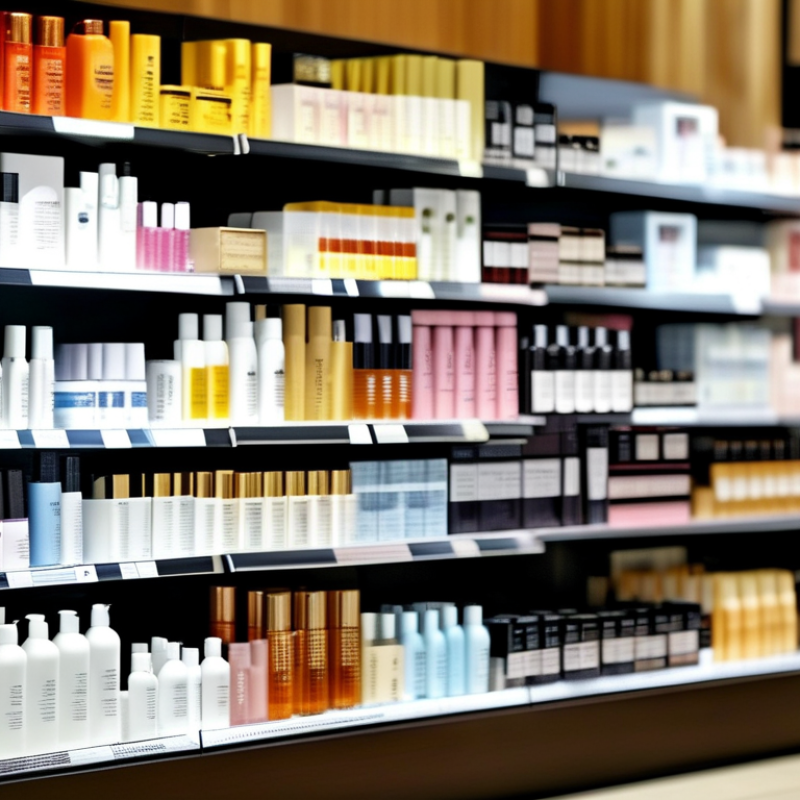
Table of Contents
[Hide]
What Skin Care Products Do and Why They Matter
The best skin care products are not always the most complicated ones. Each product should serve a clear purpose. A cleanser removes sweat, oil, and daily residue without stripping the skin barrier. A moisturizer adds water-binding ingredients and helps reduce moisture loss. Sunscreen protects against ultraviolet exposure, which can worsen dark spots, redness, and premature lines.
Targeted products can address specific concerns. A serum with niacinamide may support an uneven appearance and excess oil. Gentle exfoliating acids can loosen dead skin cells, but frequent use may cause irritation. Products matter because consistent, suitable care supports the skin’s natural barrier. In my experience, adding too many products creates confusion. I once changed several products at once and could not identify the cause of new dryness. That was a useful mistake.
Tips: Introduce one new product at a time. Patch test it on a small area first. Apply cleanser gently, then moisturizer to slightly damp skin. Use broad-spectrum sunscreen during daytime, even when clouds appear. Fragrance-free formulas may suit sensitive skin better, though “natural” does not always mean gentler. Stop using a product if burning, swelling, or persistent redness develops. A qualified dermatologist can help when symptoms continue or become painful. Skin changes with seasons, stress, medication, and age, so a routine may need adjustment rather than constant expansion.
What Are the Best Types of Skin Care Products?
What Skin Care Products Do and Why They Matter
| Product Type | Primary Purpose | Common Beneficial Ingredients | Best For | Typical Use | Why It Matters |
|---|---|---|---|---|---|
| Gentle Cleanser | Removes excess oil, sweat, makeup, sunscreen, and surface impurities. |
|
All skin types, including sensitive skin when fragrance-free and non-irritating. | Morning Evening | Creates a clean surface without unnecessarily stripping the skin’s protective barrier. |
| Moisturizer | Helps reduce water loss and supports a smoother, more comfortable skin surface. |
|
Dry, normal, combination, oily, and sensitive skin, depending on texture. | Morning Evening | Supports the skin barrier and can help minimize dryness, tightness, and flaking. |
| Broad-Spectrum Sunscreen | Protects exposed skin from ultraviolet A and ultraviolet B radiation. |
|
Everyone with regular daytime sun exposure. | Every morning Reapply outdoors | Helps reduce sunburn and lowers cumulative UV-related skin damage, including premature visible aging. |
| Antioxidant Serum | Provides concentrated ingredients that help defend against oxidative stress caused by environmental factors. |
|
Dull or uneven-looking skin, when the formula is well tolerated. | Usually morning Before moisturizer | Can complement sunscreen and support a brighter, more even-looking complexion. |
| Niacinamide Treatment | Supports the skin barrier and helps improve the appearance of uneven tone and excess oil. |
|
Combination, oily, blemish-prone, or uneven-looking skin. | Morning Evening | It is a versatile ingredient that can support barrier function without being a physical exfoliant. |
| Chemical Exfoliant | Loosens or dissolves connections between surface skin cells to improve skin smoothness. |
|
Rough texture, clogged pores, or dull-looking skin, depending on the acid. | Occasionally Follow label directions | Can improve the appearance of texture, but excessive use may cause dryness, irritation, or sensitivity. |
| Retinoid Product | Encourages skin cell turnover and supports collagen-related processes in the skin. |
|
Signs of photoaging, uneven texture, and some forms of blemish-prone skin. | Evening Start gradually | May improve the appearance of fine lines and uneven texture, but irritation is possible during introduction. |
| Hydrating Essence or Toner | Adds lightweight hydration and prepares the skin for subsequent products. |
|
Dehydrated or normal skin, although it is optional for most routines. | After cleansing Morning or evening | Can provide additional hydration, but it does not replace a moisturizer or sunscreen. |
| Eye Product | Moisturizes the delicate skin around the eyes and may temporarily soften the look of dryness. |
|
Dry or uncomfortable skin around the eyes. | Morning Evening | Provides targeted moisturization, although a gentle facial moisturizer may also be suitable for some people. |
| Barrier-Recovery Balm | Forms a protective layer over very dry or irritated areas and helps limit moisture loss. |
|
Dry, chapped, or temporarily compromised skin barriers. | As needed Usually evening | Useful when the skin needs extra protection, but heavy textures may feel uncomfortable on oily or acne-prone areas. |
Practical guidance: A basic routine usually includes a gentle cleanser, moisturizer, and broad-spectrum sunscreen. Introduce one new active product at a time, patch-test when appropriate, and stop using a product if it causes persistent burning, swelling, or severe irritation.
Related Posts
-
2026 How to Choose the Best White Label Skin Care Products for Your Brand?
-
2025 Top White Label Skin Care Products Trends and Insights
-
China Top 10 Skincare Manufacturers for Global Buyers
-

What is a Private Label Manufacturer and How Can It Benefit Your Business
-
10 Best Natural Skincare Products for Glowing Skin in 2023
-

China Top Contract Manufacturing Companies for Your Business Needs?