What Is Private Label Skin Care and How Does It Work?
Private label skin care is the process of selling products made by a specialized manufacturer under your own brand name. The formula may already exist, or it may be adjusted for your audience. You choose the product concept, packaging, scent, claims, and brand identity. The manufacturer handles production, quality controls, and often documentation.
Cosmetic chemist and industry educator Perry Romanowski captures the principle clearly: “Private label is a business model, not a formulation shortcut.” That distinction matters. A cream can look luxurious in a white jar, yet still feel greasy, separate, or irritate sensitive skin. Strong branding cannot correct weak formulation work. Reliable manufacturers test stability, texture, microbial safety, and packaging compatibility before products reach customers. They also help brands use realistic claims that match the formula and available evidence.
The model can shorten the path from idea to shelf. It may reduce development costs and give smaller businesses access to experienced production teams. However, it does not remove responsibility. Brand owners still need to understand ingredients, review test results, check supplier records, and communicate honestly with customers. That part is sometimes underestimated.
A practical example is a facial serum designed for dry skin. The brand may select its bottle, label language, and customer promise. The manufacturer may refine the base, adjust the preservative system, and fill each bottle under controlled conditions. The result can be efficient and professional. Or it can be disappointing when research is rushed. Private label skin care works best when convenience supports expertise, rather than replacing it.
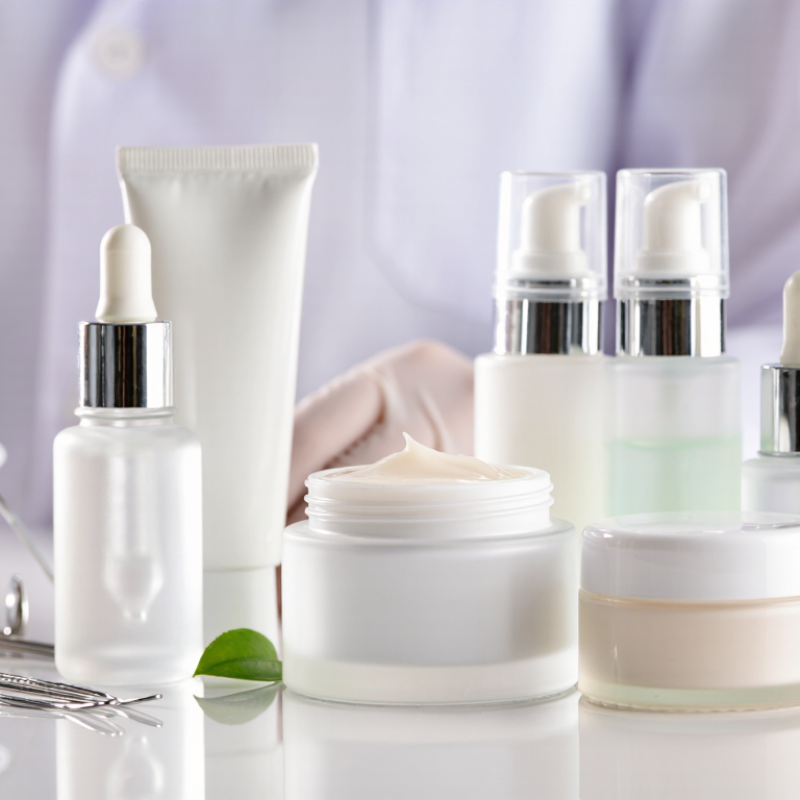
What Private Label Skin Care Means
Private label skin care means a manufacturer produces skin care products that another business sells under its own name. The business may choose an existing formula or request limited changes, such as fragrance, texture, color, or packaging. The manufacturer usually manages production, filling, and batch documentation. The seller manages the customer relationship and product positioning.
It is not homemade skin care. A reliable process begins with ingredient review, stability testing, safety checks, and clear labeling. Experienced teams also examine packaging compatibility. A rich cream may react poorly with certain containers, while a watery serum may need an airless pump. These details affect shelf life and daily use. Claims should remain realistic. “Supports hydrated skin” is more responsible than promising dramatic medical results.
The model can shorten development time, but it does not remove responsibility. The seller should review certificates, testing records, allergen information, and manufacturing standards before accepting a product. Small test batches can reveal problems that samples hide, including leaking caps or an unpleasant after-feel. It sounds simple, but it is not. I have found that attractive packaging often receives attention first, while formula transparency builds trust later. Even careful planning can miss a detail, so customer feedback and periodic quality reviews remain necessary.
How Private Label Skin Care Products Are Developed
Private label skin care allows a business to sell products developed by a specialized manufacturer under its own label. The development process starts with a clear product brief. This may define skin type, texture, fragrance, packaging size, and target price. A useful brief is specific. “A gentle daily cleanser” is only a starting point. A better brief describes foam level, rinse feel, and preferred skin concerns.
Formulators then select ingredients that support the product’s purpose and intended use. They review ingredient compatibility, concentration limits, and available safety data. In practice, the first sample rarely feels perfect. A cream may absorb too slowly, or a serum may become sticky after drying. These flaws guide revisions. Small changes in emulsifiers, humectants, or fragrance levels can change the user experience noticeably. The formula should also remain stable under heat, cold, light, and normal storage conditions.
Testing follows formula refinement. Manufacturers commonly assess stability, packaging compatibility, appearance, odor, and microbial quality. Safety evaluations and claim support are also important. “Hydrating” may require different evidence from “reduces visible wrinkles.” Requirements vary by market, so qualified regulatory professionals should review the label and product claims. Packaging is checked for leakage and dispensing accuracy. A pump that delivers too much product creates waste and inconsistent use. Production then follows documented procedures, with batch records and quality checks. Mistakes can still happen, which is why traceability and corrective review matter.
The Roles of Brands and Private Label Manufacturers
What Is Private Label Skin Care and How Does It Work?
Private label skin care lets a brand sell products made by an independent manufacturer. The brand chooses the product concept, packaging, price, and customer promise. The manufacturer develops the formula, sources ingredients, and manages production controls. Grand View Research estimated the global private label cosmetics market at about USD 21.9 billion in 2023, with continued growth expected through 2030. That expansion reflects demand for accessible, customized beauty products.
The roles must remain clear. A brand may request a lightweight gel, a fragrance-free cream, or a cleanser for sensitive skin. The manufacturer then prepares laboratory samples and checks texture, compatibility, microbiological quality, and stability. Small details matter. A cream can separate after heat exposure. A pump may clog during warehouse storage. The brand still owns the customer relationship, but it should not treat manufacturing as a simple handoff.
McKinsey’s The Beauty Market in 2023 report projected the global beauty market could reach approximately USD 580 billion by 2027. Private label manufacturers help brands respond faster within that expanding market. However, speed can create weak decisions. Some brands approve a sample after one pleasant application. That is not enough evidence. Experienced teams review test records, ingredient documentation, packaging performance, and production consistency before launch. Independent verification also strengthens reliability. The uncomfortable truth is that a attractive formula can fail when real customers use it daily.
How Products Move from Formula to Market
What Is Private Label Skin Care and How Does It Work?
Private label skin care turns a tested formula into a market-ready product under a retailer’s identity. The process usually begins with a product brief. It defines skin concerns, texture, ingredients, packaging, price, and target users. A laboratory then develops or adjusts the formula. Samples move through stability, microbiological, compatibility, and safety checks before approval. The product should feel good on skin, but performance must remain consistent after months of storage.
Manufacturing follows a controlled specification. Suppliers weigh raw materials, record batch details, and inspect filling lines. Packaging is not merely decoration. Pumps, jars, labels, and seals must protect the formula and support accurate use. Claims also require evidence. “Hydrating” may need instrumental or consumer testing, while stronger performance claims demand stronger substantiation. This is where inexperienced teams sometimes rush. A beautiful sample can still separate, leak, or irritate.
The route to market includes product photography, education, inventory planning, ecommerce setup, and customer feedback. McKinsey estimates that the global beauty market could reach about 580 billion dollars by 2027, creating room for focused private-label products. Its 2023 beauty report also identifies digital channels as important growth drivers. Yet market size does not guarantee product-market fit. Early reviews may reveal an unpleasant scent or a difficult dispenser. That feedback should reshape the next batch, not be ignored. Development is rarely perfectly linear. It is closer to a documented loop: formulate, test, manufacture, observe, and improve.
Benefits, Risks, and Regulatory Considerations
Private label skin care means a manufacturer produces formulas that another business sells under its own name. The seller may choose packaging, fragrance, texture, and approved claims. This model can reduce development time and production costs. It also allows smaller businesses to test a focused product range.
The risks deserve equal attention. A polished label does not prove a product is safe. The business placing the product on the market may remain responsible for its claims, documentation, and customer complaints. Safety assessment should consider ingredients, concentration, exposure, packaging, and intended users. Stability and microbiological testing can reveal problems before launch. Claims such as “treats acne” or “repairs eczema” may change a cosmetic product’s regulatory category. Rules differ by country, so local requirements need professional review. Marketing language is often where mistakes begin.
Tips: Ask the manufacturer for full ingredient details, safety reports, batch records, and quality certificates. Check that ingredient names follow the required labeling system. Review every claim with a qualified regulatory specialist. Keep samples from each batch and record complaints carefully. Do not rely only on supplier promises. I have seen how a missing document can delay a launch, even when the formula appears excellent. Some testing may also need repeating after packaging changes. That extra cost feels frustrating, but skipping it creates greater uncertainty.
Private Label Skin Care: Key U.S. Regulatory Timeframes
Selected compliance intervals under the Modernization of Cosmetics Regulation Act (MoCRA)
Private label manufacturers and brand owners share responsibility for product safety, documentation, and regulatory compliance. In the United States, cosmetic facility registrations generally require renewal every two years, cosmetic product listings require annual updates, and serious adverse events must be reported to the FDA within 15 business days. These deadlines do not replace obligations such as safety substantiation, proper labeling, good manufacturing practices, and maintaining supporting records.
Note: This chart presents selected U.S. MoCRA requirements and is not legal advice. Requirements may differ by product type, jurisdiction, and regulatory updates.