A polished sample can hide a fragile process. Reliable cosmetic manufacturers must do more than match a shade or texture. They should explain how they control ingredients, production records, batch consistency, and product testing. These details matter when a hand cream must feel the same in a small trial and a later production run. The global context is substantial. Grand View Research estimated the global cosmetics market at about $343.6 billion in 2023; market estimates vary by category and methodology. Cosmetics Europe reported €96 billion in European retail sales that year. Large markets create opportunity, but they do not prove that an individual supplier is capable.
Cosmetic chemist and educator Perry Romanowski is a useful expert voice when assessing a manufacturer’s technical claims. His practical message is often summarized this way: “Cosmetic formulation is applied science, not guesswork.” Treat that as a prompt to ask for evidence, not as a substitute for due diligence. Request relevant quality procedures, sample-to-batch controls, and clear answers about production capacity. Then verify the details through references and a documented review. A responsive sales team is helpful. It is not enough. Even experienced buyers can overvalue a beautiful sample or an impressive factory tour. I have seen how easy it is to mistake confidence for proof; a supplier’s records and repeatable results matter more. Reliable sourcing is careful, specific work.
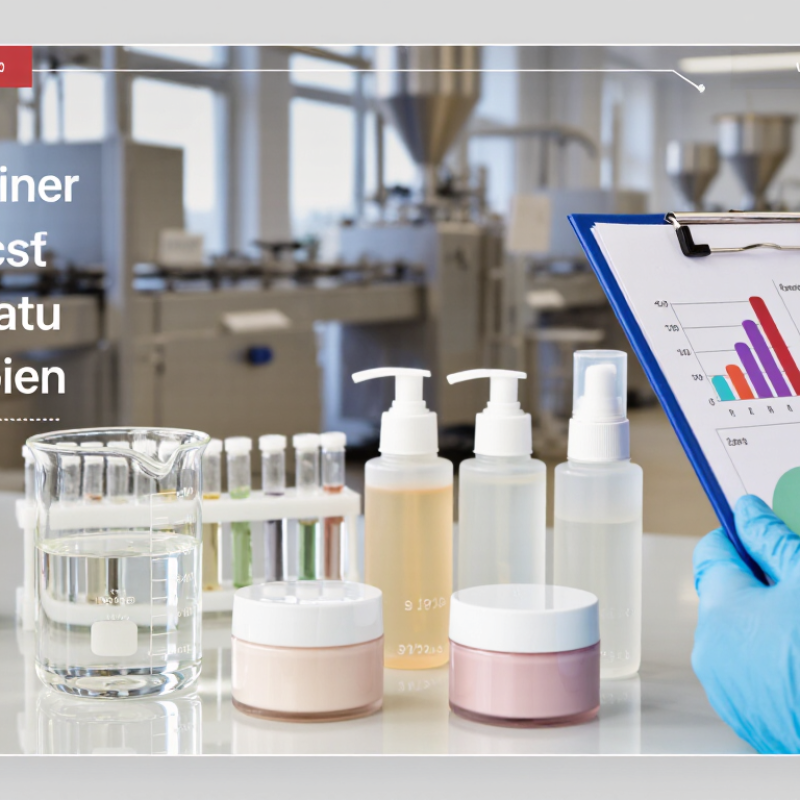
Before contacting cosmetic manufacturers, define the product in measurable terms: format, skin or hair type, key ingredients, fragrance level, packaging, target cost, and first-order quantity. A “light moisturizer” is vague; a 50 ml cream for humid climates with a non-greasy finish is more useful. A first brief is rarely complete. Leave room to revise it after sample testing.
Then specify target markets and customer expectations. Climate, preferred textures, language, price range, and retail channel can all affect formulation and packaging choices.
McKinsey’s 2023 beauty market analysis projected the global beauty market could reach $580 billion by 2027, with annual growth near 6%. Grand View Research valued the global cosmetics market at $374.18 billion in 2023 and projected 6.1% compound annual growth from 2024 to 2030. These broad figures signal opportunity, not guaranteed demand for one product.
Confirm ingredient, labeling, safety, and claims requirements for each intended market with qualified regulatory professionals before production.
Tips:
Send manufacturers a one-page brief, reference photos, and a clear sample evaluation sheet. Note texture, scent, spread, and packaging leaks after testing. Small details matter. Ask about minimum order quantity, quality documentation, and sample timelines, then compare answers in writing. It can feel tedious. It prevents costly mismatches.
Choosing a manufacturing region starts with the product, not a country’s reputation. Some areas offer dense networks of packaging suppliers; others may provide stronger formulation support or easier access to key ingredients. Compare regions by the capabilities your product needs, shipping routes, lead times, and communication hours. Maps can mislead. A nearby factory is not automatically the better choice if its equipment or quality controls do not fit your formula.
Build a shortlist of suppliers, then ask specific questions. Can they share recent audit findings, batch records, product-testing procedures, and references for similar projects? Ask how they handle rejected materials and production changes. Request samples made with the proposed process, not just a polished showroom sample. Check minimum order quantities, packaging options, capacity, and realistic delivery windows.
A video call can reveal useful details: a labeled sample area, clean production zones, or vague answers about traceability. It is not a substitute for an independent audit. Ask for evidence. Certifications can help, but confirm their scope and validity rather than treating a logo as proof. One weakness in this approach: documents may look complete while daily practices differ. Verify critical claims with a qualified auditor and record agreed specifications before placing an order.
A certificate is a starting point, not proof of dependable production. Ask for current documents, then confirm the issuing body and certificate scope independently. Check that the listed site, product category, and manufacturing activities match the work you plan to place. A polished PDF can still leave gaps. Look for a documented quality system covering staff training, equipment cleaning, supplier approval, batch records, and complaint handling. Ask how the manufacturer records deviations and verifies corrective actions. Request a sample batch record with confidential details removed. The details matter.
Regulatory compliance depends on where a product will be sold. Ask how the manufacturer checks ingredient restrictions, labeling rules, safety documentation, and required product notifications in your target markets. Request recent examples of compliance reviews, not just a general assurance. During an audit, follow one raw material from its supplier certificate to the finished batch record. Check whether storage temperatures are logged and whether retained samples are traceable. Speak with the quality lead, not only the sales contact. A remote review may miss everyday habits. Even a strong audit has limits, so note open questions and agree on evidence, owners, and deadlines before production begins.
Request samples made with the proposed formula, packaging, and production method, not a showroom substitute. Compare texture, scent, color, and how the product dispenses. Details matter. Note any separation, leakage, or changes after storage, and ask what testing supports the stated shelf life. A polished sample can still differ from a full production run, so confirm how the manufacturer controls batch consistency.
Check whether the facility can make your product type at the volume you expect. Ask about equipment, minimum order quantities, production timelines, quality checks, and relevant certifications. Verify that documents are current and apply to the actual production site. For costs, request an itemized quotation covering formulation, packaging, tooling, samples, revisions, freight, and payment terms. Low unit pricing may conceal setup charges or costly minimums.
Communication is part of the assessment. Send a few specific questions about ingredients, packaging tolerances, or delivery dates, then see whether answers are clear and consistent. Ask for written specifications and meeting notes. I would not treat a quick reply as proof of reliability; technical questions often take time to verify. Nor is a slow answer automatically a warning sign, but repeated vague responses make planning harder.
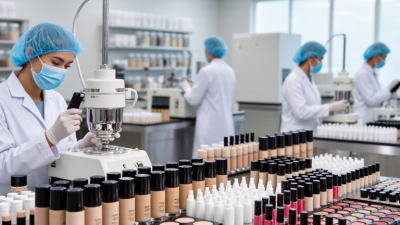
A reliable cosmetic manufacturer should welcome a practical facility audit, not just a polished tour. Look closely. Check whether work areas are clean, equipment is maintained, and measuring tools have current calibration records. Ask staff to trace one ingredient from receiving through storage and into a finished batch. Clear batch records matter more than impressive machinery.
Watch how employees handle samples, label containers, and separate materials awaiting approval. Ask how the facility investigates a failed quality check and documents corrective action. A tidy room is reassuring, but it does not prove that every shift follows the same process. I would not rely on a single visit; request relevant records and, where possible, arrange a follow-up review. Even then, an audit has limits.
Put production expectations into a written agreement before placing an order. Specify the approved formula, packaging, batch size, quality tests, acceptance criteria, and delivery schedule. State who approves substitutions or process changes, and require written notice before any change takes effect. Include procedures for rejected batches, retained samples, record access, and resolving delays. Keep records. A signed document cannot prevent every misunderstanding, and vague wording can create them. Read each specification against the actual product sample, then clarify anything that leaves room for interpretation.