Choosing the best cosmetic manufacturers in 2026 requires more than comparing catalogs, prices, or polished factory photographs. Global buyers must examine formulation expertise, quality systems, production capacity, ingredient traceability, and documented compliance. A reliable partner should explain its testing process clearly, from microbial screening to stability checks inside labeled laboratory chambers.
McKinsey & Company’s beauty industry analysis projects the global beauty market could approach $590 billion by 2028, supported by continued premiumization, digital commerce, and emerging-market demand. Its findings suggest strong opportunity, but growth does not guarantee dependable manufacturing. The numbers can also vary by market definition, which deserves careful attention. Grand View Research has reported continued expansion in cosmetics, particularly across skincare, color cosmetics, and natural formulations. Buyers should treat such forecasts as directional evidence, not purchasing proof.
Charles Revson, Revlon’s founder, famously said, “In the factory we make cosmetics; in the drugstore they sell hope.” That sentence still matters. Cosmetic manufacturers do not merely produce creams, serums, or lip products. They protect a brand’s promises through repeatable processes and honest documentation.
This 2026 guide evaluates manufacturers through an international buyer’s lens. It considers private-label capability, custom formulation support, minimum order quantities, packaging options, audit readiness, and communication quality. It also recognizes an uncomfortable reality: no supplier is perfect. A large facility may overlook smaller clients, while a smaller manufacturer may lack global logistics experience. The strongest choice depends on your product category, target markets, budget, and risk tolerance. Verification remains essential before signing any agreement.
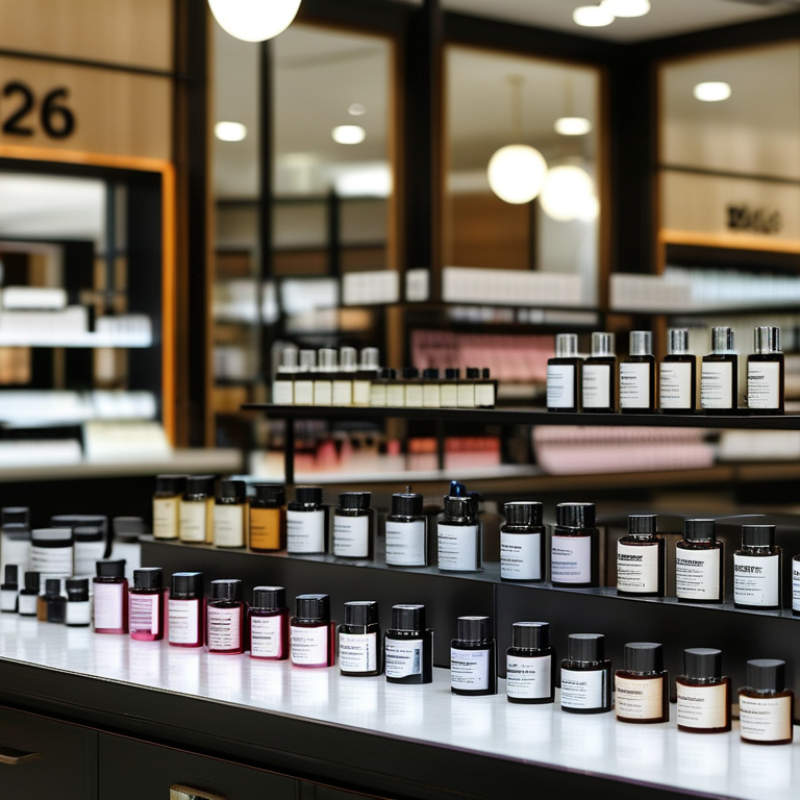
A leading cosmetic manufacturer in 2026 is defined by evidence, not polished promises. McKinsey’s 2023 beauty report projects the global beauty market will exceed $580 billion by 2027. That growth raises pressure on factories to deliver speed without weakening quality. Reliable manufacturers show current GMP systems, ISO 22716 alignment, batch traceability, and documented stability testing. They can explain where each ingredient comes from. They can also provide clear records for safety, claims, packaging, and destination-market requirements. A clean production floor matters, but controlled documentation matters more.
Tips: Ask for a sample batch record, not only a product sample. Check testing dates, storage conditions, microbial limits, and change-control procedures. Request realistic lead times and minimum order quantities. A manufacturer that avoids precise answers may create expensive delays later. Digital tracking is useful, yet human review still catches unusual color, odor, or texture changes.
Sustainability now needs measurable proof. The 2024 Global Cosmetic Industry sustainability discussions increasingly emphasize responsible sourcing, packaging reduction, and manufacturing emissions. Grand View Research estimated the cosmetics market at about 446 billion dollars in 2023, with continued growth through 2030. Bigger demand can reward efficient factories, but it can also encourage rushed launches. I would question any supplier promising perfect results immediately. No factory is flawless. A strong partner admits limits, investigates deviations, and improves after an uncomfortable finding. That behavior often reveals more expertise than a long sales presentation.
Choosing the best cosmetic manufacturer in 2026 requires more than checking price lists or polished factory videos. McKinsey’s 2023 beauty analysis projects the global market could reach about $590 billion by 2028. That growth increases pressure on suppliers, quality teams, and delivery schedules. Compare manufacturers through documented quality systems, not confident promises.
Ask for evidence. Request recent audit records, product specifications, stability data, and batch traceability procedures. Confirm whether the factory can support required safety files, ingredient restrictions, labeling rules, and testing in each target market. ISO 22716 alignment is useful, but certification alone is not enough. Review complaint handling and recall procedures. Weak responses are warning signs.
Capacity also deserves close attention. NIQ’s 2024 State of Beauty report reported 7.3% global beauty sales growth in 2023, making reliable production more valuable. Compare minimum order quantities, sample timelines, production lead times, packaging control, and backup suppliers. Test samples under realistic storage and transport conditions. A beautiful sample proves little. I would also examine worker training and environmental records, although these checks are often rushed. That is a mistake. The cheapest quotation may exclude testing, regulatory support, or corrective-action costs. Build a scoring sheet, verify every claim, and keep written records before signing.
Global buyers should compare manufacturing models before choosing a cosmetic supplier. Private-label production suits proven formulas and faster market entry. Contract manufacturing offers deeper control over ingredients, texture, fragrance, and packaging. Turnkey partners can manage formulation, filling, labeling, and export documentation. However, convenience may reduce visibility during development. A perfect supplier rarely exists.
Skincare may require stability testing, preservative checks, and airless packaging. Haircare often needs performance testing under different water conditions. Makeup requires shade consistency, pigment control, and reliable batch matching. Ask for sample jars, technical files, manufacturing licenses, and recent quality records. Review production areas when possible. A clean facility matters, but documented processes matter more.
Define your target market before requesting quotations. Confirm minimum order quantities, lead times, testing responsibilities, and packaging limits in writing. Request a pilot batch before placing a large order. Check whether formulas can be adjusted after testing, because early samples are rarely perfect. Small details matter, such as pump compatibility, label adhesion, and carton strength during shipping. Do not judge a manufacturer only by a polished website. A slower, transparent response can be more reliable than a fast promise.
Best Cosmetic Manufacturers in 2026 for Global Buyers?
Quality, Compliance, Sustainability, and Supply Chain Standards
The best manufacturer is not always the largest one. It is the factory that can prove consistency. ISO 22716-based procedures should cover weighing, filling, cleaning, storage, and batch release. Buyers should inspect deviation logs, stability records, and microbiological test results. Under the EU Cosmetics Regulation 1223/2009, products need a safety assessment and a responsible person. In the United States, the FDA’s MoCRA requires facility registration and product listing. A certificate alone is not enough.
Sustainability requires measurable evidence. The Ellen MacArthur Foundation reported that only 14% of plastic packaging was collected for recycling in 2017. The figure is old, but the warning remains relevant. Manufacturers should disclose recycled content, packaging weight, wastewater controls, and energy sources. UNEP’s 2023 report found that plastic pollution could be reduced by 80% by 2040 through reuse, recycling, and better product design. Some claims still sound greener than the factory floor. That deserves scrutiny.
Supply chain quality also depends on visibility. The World Bank’s 2023 Logistics Performance Index assesses customs, infrastructure, tracking, and delivery timeliness. Global buyers should request approved-supplier lists, safety-stock policies, and documented recall exercises. Dual sourcing can reduce disruption, but it may weaken consistency. My screening checklist is useful, not perfect. An on-site audit, sample testing, and honest corrective-action review remain essential.
Reference years for major quality, sustainability, supply-chain, and regulatory frameworks used when evaluating cosmetic manufacturing partners.
The reference year indicates the publication, effective, or implementation year of each framework. Buyers should verify current certificates, product registrations, responsible-person requirements, documentation controls, and audit records before selecting a supplier.
Global buyers should judge cosmetic manufacturers by evidence, not attractive catalogs or polished factory tours. A suitable partner should explain its quality system, production capacity, and regulatory documentation clearly. Ask for current GMP certificates, ingredient specifications, safety data, stability results, and batch traceability records. Check whether these documents match the actual facility and product category.
Request samples made with the proposed formula and packaging. Test texture, scent, color, filling accuracy, and container compatibility. Independent laboratory testing can verify microbiological quality and product safety. Review the manufacturer’s experience with your destination market, since labeling and notification requirements differ across countries. A factory may be technically strong but still unsuitable for your import process.
Small details reveal operational reliability. Ask how it handles raw-material changes, rejected batches, delayed components, and customer complaints. Confirm minimum order quantities, lead times, payment terms, inspection rights, and written change-control procedures. Start with a controlled pilot order rather than a large commitment. Keep records of every approval.
Communication matters.
A responsive team should answer precise questions without hiding behind sales language. In practice, buyers sometimes focus too heavily on unit price. That is a mistake I have seen repeatedly. Low pricing can conceal weak testing, unstable supply, or expensive rework. Still, no manufacturer is perfect. Leave room for review, corrective actions, and a second audit when performance changes. The strongest partnership grows through transparent records, realistic forecasts, and measurable quality expectations.
| Evaluation Dimension | What Global Buyers Should Verify | Reliable Evidence | Why It Matters in 2026 | Recommended Buyer Action |
|---|---|---|---|---|
| Regulatory Coverage | Ability to prepare products for the European Union, United Kingdom, United States, Canada, Australia, and other target markets. | Market-specific compliance checklist, regulatory contact, product notification records, and documented claims review. | A formula acceptable in one market may require different labeling, safety documentation, notification, or claims support elsewhere. | Provide the target-market list before requesting a quotation and require a written compliance responsibility matrix. |
| Good Manufacturing Practice | Documented cosmetic GMP procedures covering production, hygiene, quality control, storage, complaints, and recalls. | Current ISO 22716 certificate or equivalent documented GMP system, audit reports, SOP samples, and corrective-action records. | ISO 22716 provides widely used guidance for the production, control, storage, and shipment of cosmetic products. | Confirm the certificate scope, issuing body, validity period, and whether it covers the actual production site. |
| Product Safety Documentation | Ingredient safety review, finished-product specifications, microbiological limits, stability data, and packaging compatibility. | Safety assessment, Certificate of Analysis, stability protocol and report, microbiology results, and technical data sheets. | Safety files support product notification, retailer approval, complaint investigation, and market surveillance. | Make delivery of the agreed technical dossier a contractual milestone, not an informal request. |
| European Union Readiness | Support for Regulation (EC) No 1223/2009, including a Responsible Person, Product Information File, safety assessment, compliant labeling, and CPNP notification. | Completed PIF structure, safety-assessor documentation, ingredient compliance review, artwork review, and notification workflow. | EU cosmetic products require a responsible legal entity and a documented safety and notification process before being placed on the market. | Identify who owns the Responsible Person role and who controls the PIF after launch. |
| United Kingdom Readiness | Support for the UK Cosmetics Regulation, a UK Responsible Person, Product Information File, safety assessment, compliant labeling, and SCPN notification. | UK-specific compliance file, Responsible Person details, SCPN submission evidence, and artwork approved for Great Britain. | Great Britain and the EU use separate notification and responsible-person processes, even when the underlying product is similar. | Treat EU and Great Britain compliance as separate workstreams during product development. |
| United States Readiness | Understanding of the Modernization of Cosmetics Regulation Act of 2022, including facility registration, product listing, adverse-event procedures, and safety substantiation. | FDA-related registration and listing records where applicable, adverse-event SOP, safety substantiation file, and compliant label review. | MoCRA expanded federal cosmetic oversight and increased documentation and reporting expectations for responsible businesses. | Clarify whether the manufacturer, importer, or brand owner manages registration, listing, records, and adverse-event reporting. |
| Quality-Control Capability | In-process controls and finished-product testing for appearance, odor, viscosity, pH, fill weight, microbiology, and packaging performance where relevant. | Approved specifications, sampling plans, laboratory equipment list, batch records, release criteria, and retained-sample procedure. | Consistent testing reduces batch variation, customer complaints, recalls, and retailer rejection. | Request a sample Certificate of Analysis and compare its test parameters with the proposed product specification. |
| Traceability and Recall Control | Ability to trace raw materials, packaging components, production dates, batch numbers, release decisions, and distribution records. | Mock-recall results, batch genealogy records, complaint log, recall SOP, and documented retention periods. | Fast traceability helps isolate affected batches and supports regulatory, retailer, and insurance requirements. | Include a traceability test and mock-recall requirement in the supplier qualification audit. |
| Formula and Claims Control | Control of formula changes, restricted ingredients, allergens, colorants, preservatives, and marketing claims. | Change-control procedure, ingredient declarations, supplier specifications, claim-substantiation files, and written approval workflow. | Claims such as “hypoallergenic,” “organic,” “natural,” or “clinically tested” may require market-specific evidence and careful wording. | Approve the formula, ingredient list, artwork, and claims together before production begins. |
| Supply-Chain Resilience | Availability of qualified alternative suppliers, raw-material risk controls, inventory planning, and documented business-continuity procedures. | Business-continuity plan, approved supplier list, dual-source assessment, inventory policy, and delivery-performance records. | Ingredient shortages, packaging delays, logistics disruption, and sudden demand changes can affect launch schedules and service levels. | Ask for the top supply risks and define notification timelines for shortages, substitutions, and delays. |
| Minimum Order and Scale Flexibility | Minimum order quantity, pilot-batch availability, capacity by dosage form, packaging options, and scale-up process. | Written MOQ schedule, pilot quotation, production-capacity statement, line list, and scale-up validation plan. | The best commercial partner should fit both an initial launch and future growth without forcing excessive inventory or uncontrolled process changes. | Compare pilot, first commercial, and repeat-order economics instead of evaluating unit price alone. |
| Commercial Transparency | Clear quotation covering formula, packaging, testing, tooling, documentation, freight terms, payment terms, and change fees. | Itemized quotation, Incoterms, lead-time assumptions, payment schedule, sample policy, and written terms for ownership of tooling and formulas. | A low quoted unit price may exclude testing, artwork, regulatory work, packaging loss, tooling, or shipping. | Use a total-landed-cost comparison and document every included and excluded service. |
| Partnership and Communication | Named project manager, technical contact, escalation route, response expectations, development milestones, and post-launch support. | Responsibility matrix, development timeline, meeting cadence, sample-approval records, and service-level commitments. | Reliable communication reduces approval delays, version-control errors, regulatory gaps, and misunderstandings across time zones. | Score communication quality during sampling and technical review before signing a long-term production agreement. |
Regulatory references include Regulation (EC) No 1223/2009, the United Kingdom Cosmetics Regulation, the United States Modernization of Cosmetics Regulation Act of 2022, ISO 22716 cosmetics GMP guidance, and applicable national market requirements. Requirements should be confirmed with a qualified regulatory professional before commercial launch.