2026 Best Wholesale Skin Care Products for Global Buyers

Global buyers face a crowded skincare market. A polished label can hide a weak formula, unclear sourcing, or inconsistent batch quality. The right wholesale skin care products need more than attractive packaging. Buyers should examine ingredients, product documentation, shelf life, minimum order quantities, and supplier communication before committing.

“The skin is a reflection of overall health,” dermatologist Howard Murad has said. That reminder matters when evaluating products meant for regular use. A supplier’s claims deserve careful review, too. Ask for ingredient lists, stability information, and samples you can assess under real conditions. Check whether packaging protects the formula during storage and shipping. Small details count.

This guide explores product categories with global demand, including cleansers, moisturizers, serums, sunscreens, and body care. It also considers private-label options, pricing factors, and practical ways to compare suppliers. A low unit price may look appealing. But it can become costly when lead times slip or product details remain vague. Buyers should confirm that documentation and labeling support the markets they plan to serve, and seek qualified local guidance where needed.

There is no perfect shortlist. Preferences vary by climate, customer habits, and budget. Even experienced buyers can miss something. The aim here is a clearer, more grounded starting point for sourcing decisions—not a promise that every popular product will suit every market.
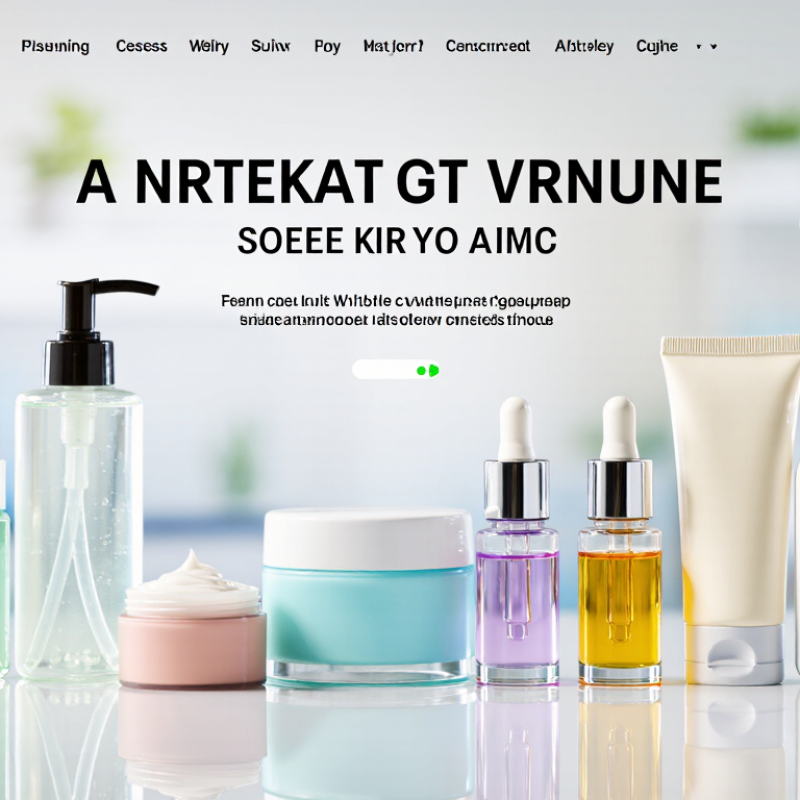
2026 Best Wholesale Skin Care Products for Global Buyers

Understanding Wholesale Skin Care Product Categories in 2026

Wholesale buyers should group skin care by use, format, and selling environment—not just by ingredient. Core categories include cleansers, moisturizers, serums, sunscreens, and targeted treatments for concerns such as dryness or uneven tone. McKinsey’s 2023 State of Beauty report projected global beauty sales could reach about $580 billion by 2027, with roughly 6% annual growth. That outlook supports broad demand, but it does not guarantee equal performance across every category or market.

Look closely at how products will be stored and used. A lightweight lotion may suit humid climates, while a richer cream can better fit dry, cold regions. Serums offer compact packaging and clear routines, yet glass bottles can add weight and breakage risk during shipping. Format matters. For wholesale evaluation, compare ingredient lists, packaging compatibility, shelf life, minimum order quantities, and documented stability testing. Ask suppliers for current product specifications and evidence behind performance claims. Requirements for labeling and sun-protection claims vary by destination, so buyers should verify local rules before placing orders.

Category choice also depends on the sales channel. Retail shelves may favor simple routines and familiar formats; professional buyers may need larger sizes and reliable replenishment. Not every serum travels well. I would test samples under realistic storage conditions before committing to a large order. That step can feel slow, but a neat catalog description is not a substitute for a product that remains stable after months in transit.

Evaluating Formulas, Quality Standards, and Market Demand

Global buyers should compare wholesale skin care products by formula, not just by headline ingredients. A moisturizer may feel rich in a sample jar but turn sticky after ten minutes on warm skin. Check texture, scent, absorption, and ingredient lists across several batches. For sensitive-skin positioning, review fragrance choices and the evidence behind each claim. Small details matter.

Quality checks should cover stability, microbial testing, batch traceability, and packaging compatibility. Ask suppliers for current test records and clear specifications, then confirm that documents match the product being quoted. Check how pumps and seals perform after repeated use; leakage can damage otherwise sound stock. Not every supplier provides equally detailed records. Records matter.

Market demand shifts with climate, price range, and shopping habits. Lightweight gels may suit humid regions, while richer creams can appeal in colder seasons. For online retail, compact packaging and clear use instructions may reduce buyer hesitation. Ask prospective customers about preferred sizes before ordering deeply. A spreadsheet cannot capture everything. Sampling takes time, and feedback can be mixed, but that uncertainty is better than committing to a large order on appearance alone.

Comparing Manufacturers, Certifications, and Minimum Order Terms

The global skin care products market was valued at USD 115.65 billion in 2022, with projected annual growth of 4.6% through 2030, according to Grand View Research’s Skin Care Products Market report. That scale attracts suppliers with very different production capabilities. Compare manufacturers by formula control, batch traceability, stability testing, and documented quality procedures—not factory size alone. Ask for recent audit records and confirm whether ISO 22716 good manufacturing practices cover the site and product category you plan to order. A certificate is useful, but it is not proof that every claim or finished product meets your target market’s requirements.

Minimum order quantities can vary by formula, packaging, and production line. Small orders matter. Request separate MOQ figures for stock formulas, custom formulas, and printed packaging; a low product MOQ may still require thousands of labels or jars. Confirm sample fees, lead times, deposit terms, and the process for handling defects in writing. For an initial order, compare the landed cost per usable unit, not just the quoted factory price. Ask how retained samples and batch records are managed. I would still treat unusually low MOQs cautiously: they can suit a pilot, but may conceal higher unit costs or limited production capacity. Check the paperwork. Verify certificate scope, expiry dates, and the manufacturer’s legal entity before placing a deposit.

2026 Best Wholesale Skin Care Products for Global Buyers

Comparing market-entry filings, certification checks, and minimum order terms

How to read this chart: 1 means the named filing generally applies; 0 means that particular filing is not the market’s equivalent requirement. Canada requires cosmetic notification within 10 days after first sale. U.S. MoCRA facility registration and product listing generally apply, subject to exemptions; they are not product pre-approval. These filings are not interchangeable with third-party certifications.

For sourcing, verify a manufacturer’s certificate, issuing body, scope, and validity independently. There is no single statutory MOQ for skin care products across these markets; MOQ is a supplier-specific commercial term, so request it by SKU, packaging, and customization level.

Sources: European Commission — CPNP · UK — Submit a cosmetic product notification · Health Canada — Cosmetic notification · U.S. FDA — MoCRA

Reviewing Pricing, Packaging, Shipping, and Import Requirements

2026 Best Wholesale Skin Care Products for Global Buyers

Wholesale quotes need context. Compare unit prices at several order quantities, and ask what each price includes. A low quote may exclude custom cartons, sample fees, or protective inserts. Check payment terms and production lead times too. Small details matter.

Packaging affects both shelf appeal and shipping risk. Request dimensions, materials, closure type, and packaging photos before approving an order. A pump bottle can leak if its cap loosens in transit. Ask for packed samples, not just empty containers. They reveal more. Also check whether labels can fit required local language and product information without becoming crowded. Even a tidy cost sheet can miss these practical costs; I would review it again after seeing a physical sample.

Shipping estimates should specify transport mode, dispatch date, carton count, gross weight, and who handles customs clearance. Confirm whether the quote includes duties, taxes, and delivery to your warehouse. Import requirements vary by destination and product claims. Before ordering, check official local guidance for ingredient restrictions, product notification or registration, label rules, and required documents. Suppliers may provide ingredient lists, safety data, test reports, and certificates of analysis, but availability and acceptance can differ. Verify the paperwork with your customs broker or relevant authority. Don’t assume. A delayed document can cost more than a slightly higher unit price.

Selecting Products for Regional Buyers and Retail Channels

Wholesale skincare assortments work best when they reflect local routines, climate, and shopping habits. A lightweight gel cleanser may suit humid cities, while richer creams can appeal to shoppers in cold, dry regions. Ask regional buyers about preferred textures, fragrance expectations, and common skin-care concerns before setting a large order. Small details matter. A pump bottle can be easier to use in a busy household, while travel-size packs may fit convenience stores and online trial bundles.

Retail channels shape the product mix, too. Pharmacies often need clear ingredient information and practical packaging; beauty shops may favor testers and varied textures. For online sellers, sturdy containers and accurate product photos help reduce avoidable returns. Check ingredient lists, labeling needs, shelf-life details, and substantiation for product claims with qualified local professionals before shipment. These checks support reliable buying without assuming that one market’s requirements apply everywhere. Start with samples or a modest trial order, then compare sell-through and buyer feedback. Forecasts still miss things; a scent that works in one city may sit untouched in another. That is a useful reason to revise the range, not defend the original plan.

2026 Best Wholesale Skin Care Products for Global Buyers - Selecting Products for Regional Buyers and Retail Channels

Product Segment Common Wholesale Formats Regional Selection Considerations Suitable Retail Channels Buyer Checks Before Ordering
Gentle facial cleanser Foaming gel, cream cleanser, or fragrance-free liquid; commonly offered in tubes or pump bottles. Lightweight gel formats may suit warm, humid conditions; creamier formulas can be useful in colder or drier environments. Consider local preferences for fragrance and rinse-off textures. Pharmacies, beauty retailers, online stores, supermarkets, and skincare clinics. Review ingredient lists, skin-sensitivity claims, packaging compatibility, and local language requirements for the label.
Daily moisturizer Light lotion, gel-cream, or richer cream; typically supplied in tubes, pump bottles, or jars. Offer a range of textures for different climates and routines. In dry or cold markets, richer emollient formulas may be relevant; in humid markets, buyers may assess lighter, less occlusive textures. Beauty specialty stores, pharmacies, department stores, online marketplaces, and subscription services. Check formula stability, container protection, fragrance disclosure, and whether moisturization claims are supported by appropriate evidence.
Hydrating serum Water-based serum, often packaged in a dropper bottle, pump bottle, or airless container. Products featuring humectants such as glycerin or hyaluronic acid can fit a range of routines. Assess texture and packaging performance under expected shipping and storage conditions. Beauty retailers, online skincare stores, department stores, and professional skincare outlets. Confirm ingredient concentrations where disclosed, stability data, packaging compatibility, and clear directions for use.
Vitamin C serum Serum in an opaque or light-protective bottle; airless packaging may help limit exposure to air during use. For markets with warm distribution routes, evaluate heat exposure and product stability carefully. Formula type and packaging can affect shelf life and user experience. Beauty specialty retail, department stores, online channels, and skincare clinics. Request stability and shelf-life documentation; review storage instructions, oxidation controls, and substantiation for brightening claims.
Facial sunscreen Fluid, lotion, cream, or stick formats in tubes, bottles, or compact containers. Choose formats and SPF levels suited to local consumer needs and use patterns. Sunscreen classification, permitted filters, testing, and labeling requirements differ by market. Pharmacies, supermarkets, beauty stores, outdoor retailers, and e-commerce. Verify market-specific authorization and test documentation for SPF and any broad-spectrum or water-resistance claims before import or sale.
Body lotion Daily lotion or richer body cream; commonly sold in pump bottles, squeeze bottles, or larger refill packs. Consider climate, seasonal demand, preferred fragrance levels, and the practical size of products for local households and travel. Supermarkets, pharmacies, personal-care chains, online stores, and hospitality or amenity suppliers. Check pack durability, ingredient and allergen labeling, shelf life, and whether refill packaging is accepted in the intended channel.
Exfoliating treatment Leave-on liquid, serum, or rinse-off mask; available in bottles, tubes, or single-use sachets. Products with exfoliating acids require clear usage directions and suitable consumer education. Review local restrictions and product classification for the intended market. Beauty specialty stores, online skincare retailers, and professional skincare outlets. Check ingredient limits and labeling rules by destination, directions and warnings, stability data, and support for any performance claims.
Barrier-support cream Fragrance-free cream or balm, often in a tube, pump bottle, or protective jar. May be relevant in markets with cold seasons, dry indoor air, or frequent cleansing routines. Confirm that the texture suits the target customer and climate. Pharmacies, dermatology-oriented retail, beauty stores, and online channels. Review ingredient transparency, tolerance-test information where available, packaging hygiene, and claims that could imply a medical effect.
Purchasing guidance: Product formats and regional considerations are general selection factors, not guarantees of local demand. Before placing a wholesale order, confirm destination-market requirements for product classification, ingredient restrictions, safety documentation, labeling, claims, importation, and language.
Scroll to Top