Why Are Organic Beauty Products Better for Your Skin?
A bottle labeled “natural” can look reassuring on a bathroom shelf, but the label alone cannot tell you how a product will treat your skin. Organic beauty products may appeal to people seeking ingredients grown with organic farming methods and fewer certain synthetic additives. Yet organic does not automatically mean gentle, effective, or suitable for every skin type. Even plant extracts and essential oils can irritate sensitive skin.
What matters is the full formula. Check the ingredient list, look for credible certification where available, and consider how the product’s claims are supported. A fragrance-free moisturizer with familiar ingredients may suit reactive skin better than a strongly scented organic cream. Small details matter. The texture, scent, and how your skin feels after application can all help you assess comfort, though they cannot prove long-term benefits. Research on individual ingredients is more useful than broad promises about “clean” beauty, and results can vary from person to person.
A careful approach is practical. Try a new product on a small area first, follow its directions, and stop using it if irritation develops. People with persistent or severe skin concerns should seek advice from a qualified healthcare professional rather than relying on marketing claims. Organic ingredients can be a thoughtful preference, but they are not a shortcut to healthy skin. The evidence is not always simple, and that deserves a little honesty.
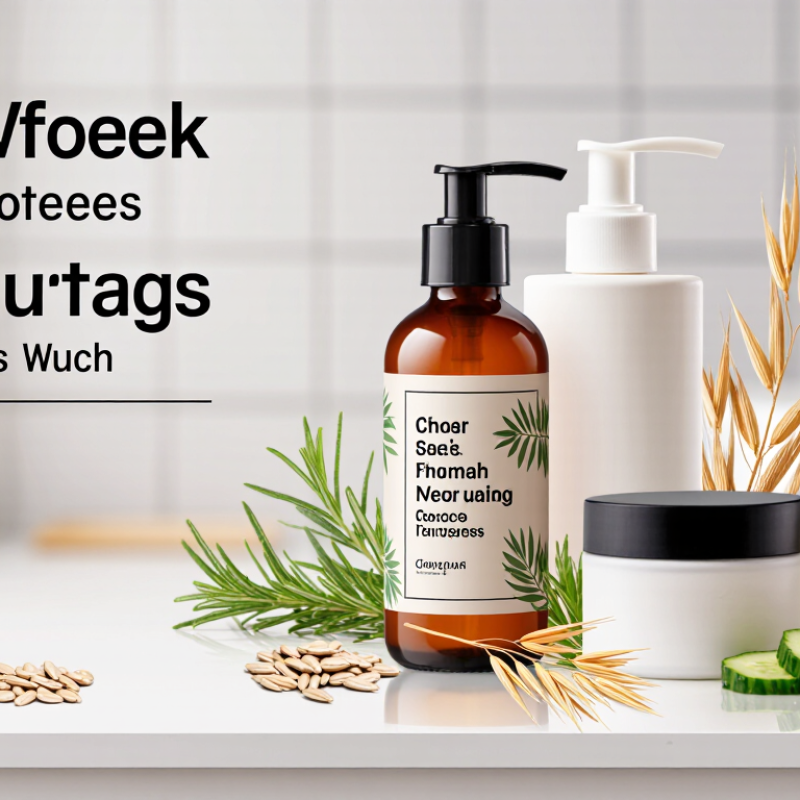
What Organic Beauty Products Are
Organic beauty products are personal-care formulas made with ingredients grown or processed under recognized organic standards. What counts as organic depends on the certification and local rules. A product may contain some organic ingredients without every ingredient being organic. Water, minerals, and certain preservatives may not qualify, even when they are safe and useful. Look for certification details and read the ingredient list; the word “organic” alone tells you little. These formulas may use plant oils, botanical extracts, or waxes. Their color, scent, or texture can vary slightly between batches.
Tips: Read the full ingredient list, not just the front label. Patch-test a small amount on your inner arm and wait 24 hours. If fragrance or essential oils bother your skin, consider a fragrance-free option. Keep the container closed and follow its storage instructions. Organic does not mean hypoallergenic.
Some people choose organic products because they prefer ingredients from organic agriculture. But “natural” or “organic” does not automatically mean gentler or better for every skin type. Skin response depends on the complete formula, ingredient concentration, and personal sensitivities. It is tempting to treat the label as proof; it is not. A well-formulated conventional moisturizer may suit your skin better.
Potential Skin Benefits of Organic Formulations
Why Are Organic Beauty Products Better for Your Skin?
Potential Skin Benefits of Organic Formulations
Organic beauty products may support calmer, more comfortable skin when their formulas suit your needs. Plant oils, botanical extracts, and naturally derived antioxidants can help soften dryness and reduce the feeling of tightness. Some people also notice fewer reactions after avoiding certain fragrances, dyes, or harsh cleansing agents. The benefit often comes from the complete formula, not the organic label alone.
Evidence remains mixed. Organic does not automatically mean safer or more effective. Essential oils, for example, may irritate sensitive skin, especially around the eyes. Dermatology guidance recommends checking ingredient lists and choosing products supported by credible safety testing. Standards for “organic” also differ, so the label can be confusing. A careful review may challenge first impressions.
Tips: Patch-test a small area for 24 hours before wider use. Choose fragrance-free options if your skin reacts easily. Apply moisturizer to slightly damp skin. Keep a simple routine for several days, then observe redness, dryness, or itching. Stop using a product if discomfort continues. Better ingredients can help, but they cannot replace a personal skin assessment.
Why Are Organic Beauty Products Better for Your Skin?
Potential benefits of organic formulations are commonly linked to plant-derived ingredients, fewer unnecessary additives, and gentle moisturizing or antioxidant functions. However, organic certification alone does not guarantee better performance or suitability for every skin type.
Evidence strength is shown on a qualitative 1–5 scale based on established cosmetic and dermatological mechanisms, not on a single clinical trial or brand comparison. Patch testing remains important because natural ingredients can still cause irritation or allergy.
How Ingredients and Certifications Affect Product Safety
Why Are Organic Beauty Products Better for Your Skin?
Organic beauty products can feel gentler, but “organic” does not automatically mean safer. Safety depends on the full formula, concentration, preservation, and your skin type. Fragrance, essential oils, and plant extracts may still cause irritation. A 2023 Soil Association report valued the UK organic beauty and wellbeing market at about £136 million in 2022. This growth shows rising interest, not proof of superior skin results.
Certifications can improve transparency. The COSMOS Standard’s 2023 data reported more than 32,000 certified products across over 70 countries. Certified products must follow rules for approved ingredients, processing, packaging, and environmental claims. However, certification standards differ. “Natural,” “clean,” and “organic” are not interchangeable terms. Read the percentage of organic ingredients and check the complete ingredient list. A cream with certified oils may still contain an unsuitable preservative or allergen. This detail is easy to miss.
Tips
Choose clear certification logos, not vague green claims. Patch-test new products on your inner arm for 24 hours. Avoid heavily fragranced formulas if your skin reacts easily. Keep the product away from heat and moisture. I have found that simpler formulas are easier to evaluate, although personal results can vary. Even trusted certifications cannot predict every individual reaction. That uncertainty deserves attention.
How to Choose Organic Products for Your Skin Type
Choosing an organic product begins with your skin’s behavior, not the leaf printed on a jar. The FDA does not define “organic” for cosmetics; USDA organic rules can apply to agricultural ingredients and certified products. So the word alone cannot predict gentleness, hydration, or clogged pores. For oily or acne-prone skin, look for lightweight, non-comedogenic moisturizers. Avoid heavy textures if they trigger breakouts. The American Academy of Dermatology estimates acne affects up to 50 million Americans each year. That scale matters: a “natural” oil may still feel occlusive on acne-prone skin. Labels can mislead.
For dry skin, try a richer cream with humectants such as glycerin. If your skin is easily irritated, favor fragrance-free formulas and avoid essential oils in your first trial. “Unscented” is not always fragrance-free. Patch-test first. Apply a small amount to an inconspicuous area for several days, watching for stinging, redness, or bumps. AAD guidance also favors non-comedogenic products for acne-prone skin, but individual reactions vary. One limitation is easy to miss: organic certification describes ingredient sourcing, not proven skin compatibility. If a rash persists or worsens, seek a dermatologist’s advice rather than repeatedly switching products.