How to Source Natural Skincare Brands Globally in 2026?
How to Source Natural Skincare Brands Globally in 2026?
Global beauty sourcing is entering a more demanding phase. McKinsey & Company and The Business of Fashion estimate that the beauty market could reach approximately $590 billion by 2028, with annual growth near 6%. This expansion creates opportunity for natural skincare brands. It also creates noise. Suppliers may use “clean,” “green,” or “natural” without consistent definitions. That is where sourcing discipline matters.
A reliable buyer should examine more than attractive packaging. Check ingredient traceability, manufacturing location, batch records, stability testing, and microbial controls. Ask whether botanical extracts have documented origins, harvest dates, and standardized specifications. Certifications such as COSMOS, NATRUE, or Ecocert can support credibility, but they do not replace independent verification. ISO 16128 may help describe natural-origin content, yet it is not a complete safety or certification system.
The Soil Association’s Organic Beauty and Wellbeing Market Report has highlighted continued consumer interest in certified organic products in the United Kingdom. Grand View Research also forecasts sustained growth for the global natural cosmetics market. These signals are useful, but forecasts are not guarantees. I have seen promising brands struggle with inconsistent supply, weak documentation, or packaging that fails during long-distance shipping. That reality deserves attention.
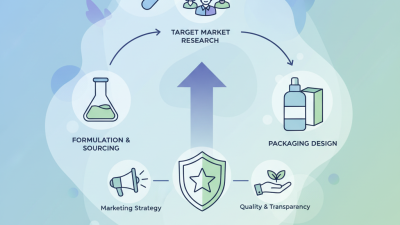
In 2026, global sourcing should combine commercial judgment with technical review. Compare minimum order quantities, lead times, formula ownership, testing standards, and export readiness. Request recent certificates, not screenshots from years ago. Speak with the laboratory. Visit the facility when practical. A beautiful ingredient story is only the beginning. Reliability must be proven.
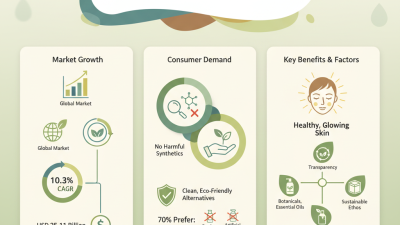
Size the Market: Natural Skincare’s 8.3% CAGR, 2024–2030 (GVR)
Grand View Research estimates the global natural skincare products market at about USD 6.7 billion in 2023.
It forecasts an 8.3% CAGR from 2024 to 2030. This growth creates room for new suppliers, but the figure needs careful interpretation. It measures market value, not guaranteed sales for every product category or region.
McKinsey’s beauty industry analysis projects the broader global beauty market could reach approximately USD 590 billion by 2028. Natural skincare benefits from this expansion, especially in facial care, body care, and products with plant-based ingredients. However, “natural” has no single global definition. Buyers should verify ingredient percentages, INCI lists, certificates, allergen declarations, and country-specific compliance documents before comparing quotations.
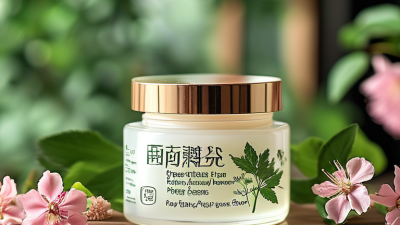
A practical sourcing review starts with a small sample order. Check the cream’s texture after temperature changes, not only on delivery day. Request batch records, microbiological test results, stability data, and packaging specifications. Compare minimum order quantities with the forecasted demand implied by the 8.3% CAGR. That forecast is not a purchase order. Freight costs, customs duties, currency movements, and rejected batches can reduce the apparent margin quickly. My own caution is simple: market growth may encourage rushed decisions, while weak documentation can undermine an otherwise attractive supplier.
Screen Suppliers Against ISO 22716 and COSMOS Certification Standards
How to Source Natural Skincare Brands Globally in 2026?
Reliable sourcing starts with evidence, not attractive product photos. When screening a supplier, review how closely its facility follows ISO 22716 Good Manufacturing Practices. Check documented hygiene controls, batch records, equipment maintenance, complaint handling, and product traceability. Ask for recent audit findings and corrective action records. A certificate alone can hide operational gaps.
COSMOS certification requires deeper review of ingredient origin, processing methods, organic content, environmental practices, packaging, and product claims. Confirm the certificate’s scope, expiry date, certified products, and approved certification body. Compare ingredient lists with technical files and supplier declarations. Small inconsistencies matter. They may indicate poor document control or an outdated formula.
Tips: Request a live factory tour, even when video-based. Match the batch number across production records, test reports, and shipment documents. Verify water quality testing and microbiological controls. Ask how the supplier handles rejected materials and customer complaints. Keep written answers, not verbal promises. In my experience, polished presentations can create false confidence. A practical weakness may only appear during a sample review or follow-up audit. Also, ISO 22716 alignment and COSMOS approval do not replace destination-market compliance checks. Review labeling, allergens, claims, import rules, and safety documentation for each market. Supplier screening is never perfectly finished. Conditions change. Recheck critical evidence before every major order.
How to Source Natural Skincare Brands Globally in 2026?
Screen Suppliers Against ISO 22716 and COSMOS Certification Standards
COSMOS Organic requires at least 95% of physically processed agricultural ingredients to be organically certified. The finished product generally requires at least 20% organic content, while specific categories such as rinse-off and non-emulsified aqueous products may use a 10% minimum. COSMOS Natural has no minimum organic-content threshold. ISO 22716 is a Good Manufacturing Practices guideline rather than a percentage-based certification, so supplier screening should also verify certificate scope, site validity, production controls, batch records, quality testing, deviation handling, and audit evidence.
Reference standards:
COSMOS Standard |
ISO 22716
Verify Ingredients Using INCI Listings and EU CosIng Safety Data
When sourcing natural skincare internationally in 2026, ingredient verification should begin before price negotiation.
Request the complete INCI list, not a shortened marketing label. INCI names create a common language across suppliers and product documents. Compare every listed ingredient with the European Commission’s CosIng database. CosIng can show ingredient names, functions, and regulatory references. It is not blanket approval for every formula. That distinction matters.
Check spelling, botanical parts, extraction methods, and claimed allergens carefully. For example, “lavender extract” is less useful than a precise INCI name and plant part. Ask for the supplier’s specification sheet, certificate of analysis, and recent contaminant testing. Review batch numbers and test dates against the exact shipment. Documents can look professional. I have learned that outdated paperwork creates quiet risk. If an ingredient appears in CosIng, assess its intended function and concentration in the finished product. A database entry alone cannot confirm product safety.
Use a qualified cosmetic safety assessor for the target market and product type. Keep written records of questions, replies, and changed formulas. This evidence supports reliable purchasing and makes supplier comparisons more objective. Natural origin does not automatically mean gentle, stable, or suitable for everyone. I still revisit assumptions when a supplier’s “pure” claim lacks analytical detail. That extra check can delay a purchase. It can also prevent an expensive mistake.
Assess Sustainability with LCA Metrics and 2023 Organic Beauty Sales
Global natural skincare sourcing needs more than an organic certificate. The Soil Association Certification Organic Beauty and Wellbeing Market Report 2024 valued UK organic beauty sales at approximately £136 million in 2023. That figure signals demand, but it does not prove lower environmental impact. Organic farming may reduce synthetic chemical use, while processing, packaging, and transport still create substantial emissions.
Ask suppliers for product-level Life Cycle Assessment data. ISO 14040 and ISO 14044 provide the core LCA framework. Useful indicators include kilograms of CO2e per kilogram of product, water consumption, land use, eutrophication, and packaging waste. Compare the same product format, such as a 50-millilitre cream, rather than comparing raw percentages. A lighter refill pouch may reduce packaging weight. It may also perform poorly if recycling systems cannot process it.
During supplier reviews, request the study boundaries, energy sources, transport distances, and data age. The 2024 UNEP Global Resources Outlook reinforces the need to measure resource use across full value chains, not only factory operations. I would also verify organic certificates, audit corrective actions, and ingredient traceability through transaction records. Sales data can guide market entry, but it cannot replace evidence. I have seen sustainability claims become weaker when suppliers report averages instead of product measurements. That is an uncomfortable gap. Buyers should record assumptions openly and revisit them annually.
Calculate Landed Costs Using 2026 Tariffs, MOQs, and Lead Times
Global sourcing for natural skincare in 2026 starts with a realistic landed-cost model, not a factory quote. Calculate product cost, packaging, inland transport, freight, insurance, customs duties, broker fees, testing, and storage. Tariffs depend on the product’s HS classification, origin, ingredients, and declared customs value. Confirm the rate with current government schedules and a licensed customs professional. Do not rely on an old supplier spreadsheet.
MOQ can change the calculation quickly. A supplier may quote 1,000 units at $7 each, but 3,000 units may reduce the unit price to $5.80. The larger order still ties up more cash and increases expiry risk. Check the product’s shelf life, batch size, and minimum packaging order. A low MOQ is not always cheaper.
Lead time also carries a cost. Allow time for formula approval, document review, sampling, production, quality checks, and shipping. Add a buffer for port congestion or seasonal delays. For a first order, I would usually model eight to twelve weeks, then test the assumption against actual production records. That estimate may be wrong.
Suppliers sometimes separate production time from packaging time, which creates an uncomfortable surprise. Request ingredient specifications, safety documents, batch records, and traceability evidence before payment. Keep every quote, tariff assumption, and revision in one landed-cost sheet. A small duty change can erase the expected margin.