What Is Organic Skin Care?

Organic skin care describes products made with ingredients grown and processed under organic standards, but the term does not mean every ingredient is organic. Formulas may combine certified plant oils, extracts, water, and carefully selected preservatives. The exact meaning of “organic” can vary by certification and region, so checking the label matters. A green leaf on a bottle is not proof.

Dermatologist Dr. Hadley King has cautioned, “Natural ingredients can still irritate the skin.” That is worth remembering. Botanical ingredients can trigger sensitivity, just like some synthetic ingredients can. A fragrant lavender oil may smell gentle, yet trouble reactive skin. Patch-testing a new product on a small area can help reveal a reaction before regular use. For persistent irritation, a qualified dermatologist can offer individualized advice.

A closer look at organic skin care means asking practical questions: Which ingredients are certified? Does the formula suit your skin type? Is the packaging clear about fragrance and allergens? Organic products may appeal to people seeking particular sourcing practices, but “organic” alone does not prove a product is safer, more effective, or more sustainable. The evidence depends on the ingredient and the finished formula. Labels can be confusing. Even careful shoppers may need to pause and compare. The honest answer is sometimes less tidy than the marketing suggests. Organic skin care is best understood as an approach to ingredient sourcing—not a guarantee of perfect skin or a risk-free routine.
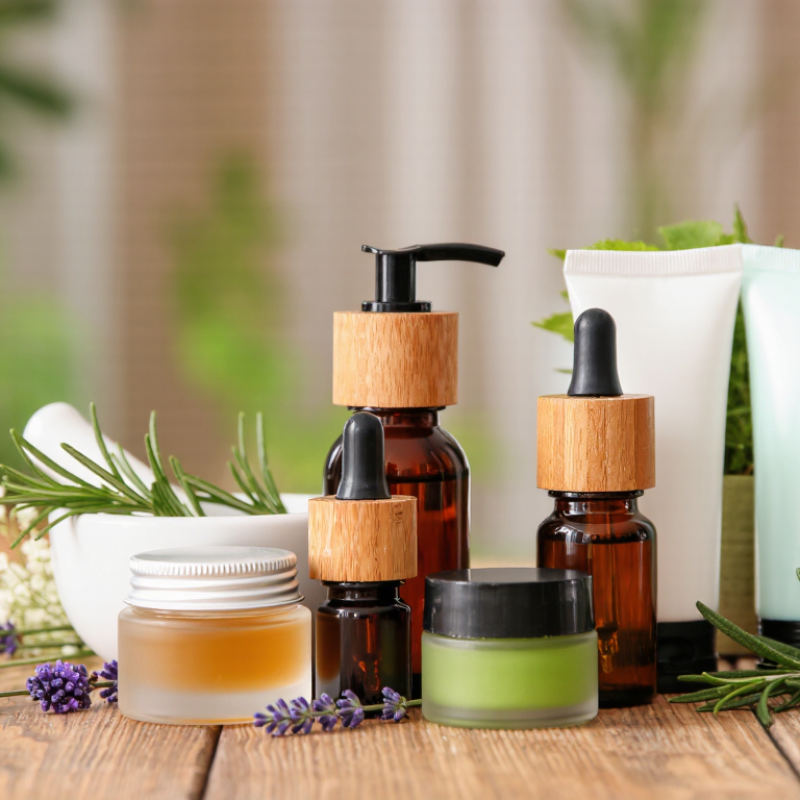
What Is Organic Skin Care?

Definition and Core Principles of Organic Skin Care

Organic skin care refers to products made with agricultural ingredients grown and processed under defined organic standards. The exact meaning can vary by country and certification system, so the word alone does not tell you how much of a formula is organic. A cream might combine organic plant oils with water, minerals, or other permitted ingredients.

That distinction matters. Organic describes ingredient sourcing, not a guarantee that a finished product is safer, gentler, or more effective for every person.

Core principles include transparent ingredient information, responsible sourcing, and processing methods that preserve ingredient quality while meeting relevant standards. Check the full ingredient list and look for clear details about certification or the proportion of organic ingredients.

A short list is not automatically better; fragrance, preservatives, and texture all affect how a product works and feels. Not always. For example, a rich balm may suit dry elbows but feel heavy on a humid afternoon.

Patch-testing a new product can help identify irritation, especially if your skin is sensitive. “Organic” can sound like a tidy promise, but formulas involve trade-offs, and labels do not explain every one.

Reading carefully is useful, though sometimes the details remain frustratingly incomplete.

Common Organic Ingredients and How They Are Sourced

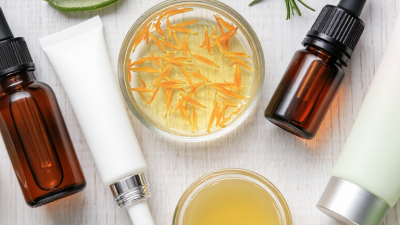
Organic skin care uses ingredients grown or processed under defined organic standards, but the label alone does not tell you how an ingredient reached the jar. Jojoba oil comes from pressed seeds; calendula extract is made from flower heads; shea butter is rendered from the kernels of shea fruit. Aloe gel is collected from the fleshy inner leaf, then stabilized quickly because it spoils easily. These materials can be farmed organically, yet extraction methods, water use, and transport still shape their environmental footprint.

Look for named certifiers and ingredient-level sourcing details, not just words such as “natural.” Standards vary, and a cosmetic product may contain both certified and non-certified ingredients.

The FiBL and IFOAM World of Organic Agriculture 2024 report recorded 96.4 million hectares of organic farmland worldwide in 2022. That figure describes agriculture overall, not the share supplying cosmetics.

The Organic Trade Association’s 2024 survey reported US organic sales of $69.7 billion in 2023, across food and non-food categories. Neither number proves a skin-care formula is responsibly sourced.

Ask whether suppliers can trace crops to farms and explain harvest practices. Small details matter. A neat label can still leave gaps.

Even certified crops may travel far, and that trade-off deserves a closer look.

Certification Standards and Organic Product Labels

Organic certification is not a single, worldwide standard. Requirements vary by certifier and region. Some programs assess ingredient origin, farming methods, processing aids, and manufacturing records. Others set specific thresholds for how much of a product must be organic. Check the certifier’s published rules, not just a leaf symbol. That matters.

A certified label usually applies to a defined product or ingredient category. It does not automatically mean every ingredient is organic, or that the formula is fragrance-free, gentle, or suitable for sensitive skin. Read the exact wording. “Made with organic ingredients” may describe a different threshold from “organic,” depending on the applicable standard. The percentage and what it measures can be easy to miss.

Look for the certifier’s name, the product’s certification scope, and a clear ingredient list. If a package only says “natural” or “plant-based,” that is not proof of organic certification. A small bottle may leave little room for detail, so check the maker’s product information or ask which standard was used. Be cautious with broad claims that cannot be verified. Even careful labels can be confusing, and I would not treat a certification mark as a guarantee of how my skin will react.

Types of Organic Skin Care Products and Their Formulations

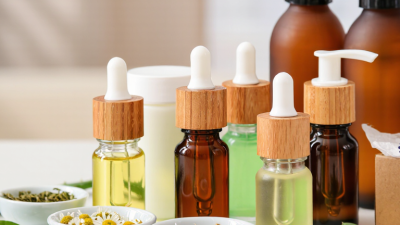
Organic skin care includes several product types, and “organic” may describe only some ingredients rather than the finished formula. Standards and certification rules differ, so check the ingredient list and any certification details instead of relying on the front label. The category is not perfectly tidy.

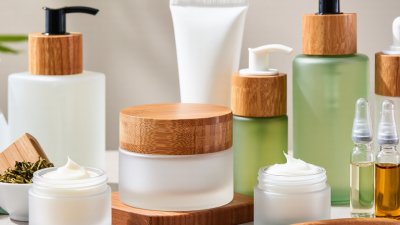
Cleansers may use plant-derived oils or mild surfactants to lift sunscreen, makeup, and daily grime. A balm can feel rich and melt between warm fingers; a gel cleanser may rinse more cleanly but feel drying on sensitive skin. Moisturizers often combine botanical oils, such as jojoba or sunflower, with water-binding ingredients and emulsifiers. Those supporting ingredients matter: they help keep a cream blended and usable, though they are not necessarily organic.

Serums and facial oils offer concentrated blends of extracts or lipids, while clay and botanical masks are usually rinse-off treatments. Essential oils can add scent, but they may irritate some skin; “natural” does not mean risk-free. Sunscreens are a separate case: organic certification does not establish sun protection. Look for tested SPF labeling and follow its use directions. Patch-test a new product on a small area first. That small step is easy to skip. A formula can also separate, change scent, or lose quality if stored poorly, so follow the package’s storage guidance.

Potential Benefits, Limitations, and Safety Considerations

Organic skin care usually refers to products made with ingredients grown under defined organic standards. Requirements vary by region, and “natural” does not necessarily mean certified organic. The label alone says little about how well a formula works.

Some plant oils and extracts can soften dry skin or support its moisture barrier. A simple, fragrance-free formula may suit sensitive skin better than a heavily scented one. Still, organic ingredients are not automatically gentler or more effective. Evidence depends on the specific ingredient, its concentration, and the finished product. That distinction is easy to overlook.

Plants can trigger allergies, too. Essential oils and botanical extracts may cause redness, itching, or swelling in some people. Patch-test first. Apply a small amount to an inconspicuous area and watch for a reaction over the next day or two. Avoid applying a new product to broken or inflamed skin. Stop using it if irritation develops; persistent symptoms deserve advice from a qualified health professional. Even careful routines can get this wrong.

Scroll to Top