
What Are the Best Private Label Products from China?
Private label products are no longer limited to low-cost supermarket basics. They now include reusable kitchenware, beauty tools, fitness accessories, pet supplies, home organization items, and small electronics. China remains a major sourcing hub because its factories combine broad supplier networks, flexible production, and mature export infrastructure. However, “best” depends on demand, compliance, packaging, and after-sales expectations.
NIQ’s 2024 State of Private Label report recorded approximately $236 billion in private-label sales across 17 tracked countries. It also reported continued growth, even while shoppers became more price-conscious. This suggests a practical opportunity for brands selling useful products at fair prices. McKinsey’s consumer research has similarly highlighted value as a major purchasing influence, especially when household budgets remain pressured. Still, attractive demand does not guarantee a profitable product. A stainless-steel lunch box may look simple, yet leakage testing, food-contact documentation, and carton damage can decide its success.
China’s manufacturing strength is valuable, but supplier selection requires evidence. Buyers should review factory experience, sample consistency, production capacity, inspection procedures, and relevant certifications. Product claims must also match destination-market rules. Some categories are easier to launch than others. Basic organizers may require less technical control than electrical devices, cosmetics, or children’s products.
This guide examines promising private label products from China through a commercial and quality-focused lens. It considers margins, shipping volume, customization, repeat demand, and operational risk. The analysis is not a promise of easy success. Freight costs change. Trends fade. Even a well-designed product can fail when its packaging feels cheap or its instructions confuse customers. That uncertainty deserves honest attention before any purchase order is placed.
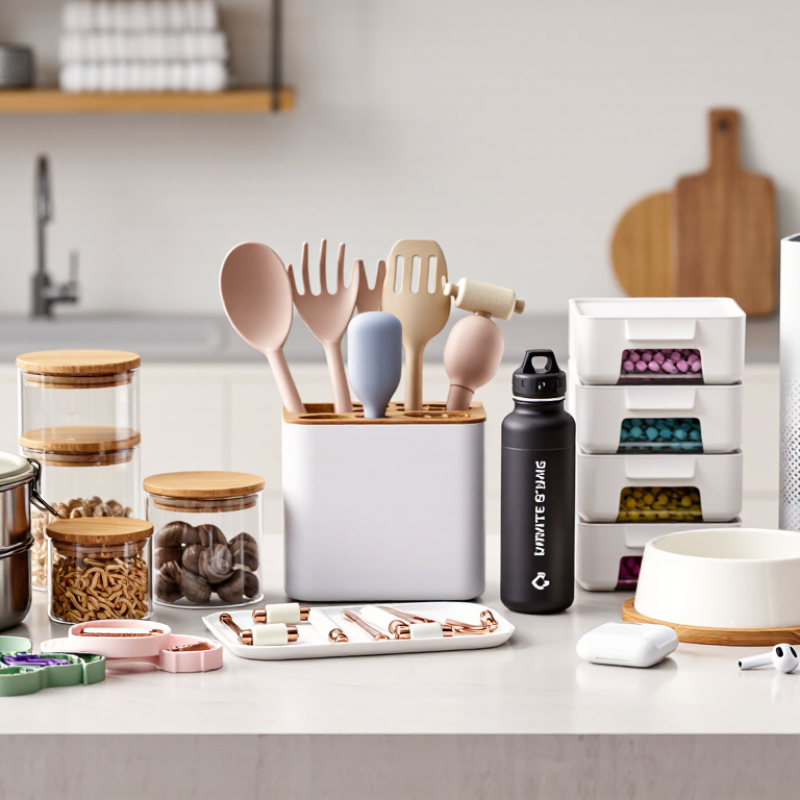
Table of Contents
[Hide]
What Private Label Products Are and Why Source Them from China
What Are the Best Private Label Products from China?
Private label products are goods made by a manufacturer but sold under your own name, packaging, and specifications. You choose the product details. These may include materials, colors, dimensions, labels, and box design. The factory provides production capacity, while you control the customer experience.
China remains a practical sourcing option for many private label businesses. Its supplier network covers household items, travel accessories, fitness equipment, stationery, and personal care tools. Buyers can often compare several factories within the same product category. This makes price, materials, and minimum order quantities easier to evaluate. However, low prices alone do not prove good value.
Samples matter.
In real sourcing work, I would request a pre-production sample before approving a larger order. A kitchen organizer should be checked for sharp edges, load strength, odor, and packaging damage. Product specifications should be written clearly, not discussed only through casual messages. Factory audits, inspection reports, and basic compliance documents can reduce avoidable risks. Requirements vary by destination, so sellers should verify applicable safety and labeling rules before shipment. My own preference is to begin with a smaller trial order, even when the unit price is higher. It may slow growth. Still, it reveals weak packaging, inconsistent color, or unclear instructions early. Suppliers should also confirm production timelines, payment terms, carton dimensions, and replacement procedures in writing. Mistakes still happen, and good sourcing leaves room to correct them.
What Are the Best Private Label Products from China? - What Private Label Products Are and Why Source Them from China
A practical comparison of product categories commonly considered for private labeling, with indicative sourcing data for initial planning.
| Product Category | Common Materials | Private Label Options | Typical MOQ | Indicative Unit Cost (USD, EXW) |
Typical Production Lead Time | Common Compliance Considerations | Why It Can Be Suitable for Private Labeling |
|---|---|---|---|---|---|---|---|
| Reusable Water Bottles | Stainless steel, Tritan, polypropylene, silicone | Logo printing Color matching Packaging Lid design | 300–1,000 units | $2.00–$10.00 | 25–45 days after sample approval | Food-contact requirements, material declarations, leak testing, and applicable packaging regulations | Simple product architecture, broad consumer demand, and several material and finish choices |
| Canvas and Reusable Shopping Bags | Cotton canvas, recycled polyester, polypropylene nonwoven fabric | Screen printing Embroidery Custom size Hangtags | 500–2,000 units | $0.50–$4.00 | 20–40 days | Fiber-content labeling, colorfastness, restricted substances, and local packaging rules | Low tooling needs, lightweight shipping, and strong potential for visual brand differentiation |
| Apparel Basics | Cotton, polyester, viscose, elastane blends | Fabric selection Labels Prints Size grading | 300–1,000 pieces per style | $3.00–$15.00 | 30–60 days | Fiber composition, care labels, flammability rules where applicable, and chemical restrictions | Many fabric and construction options allow a brand to create differentiated collections |
| Phone Cases and Small Tech Accessories | TPU, polycarbonate, silicone, aluminum, synthetic leather | Surface graphics Colorways Packaging Molded details | 500–2,000 units | $0.50–$5.00 | 20–45 days | Material safety, device compatibility, labeling, and design or patent clearance | Compact, inexpensive to ship, and easy to refresh with new designs |
| Home Organization Products | PP plastic, bamboo, metal, fabric, silicone | Dimensions Colors Logo Retail packaging | 300–1,000 units | $1.00–$12.00 | 25–50 days | Material safety, load or stability testing, food-contact rules for kitchen items, and packaging requirements | Useful products with many size and material variations support niche positioning |
| Fitness and Wellness Accessories | TPE, natural rubber, EVA foam, nylon, stainless steel | Color selection Logo marking Bundles Instruction cards | 300–1,000 units | $1.00–$15.00 | 25–50 days | Material safety, odor testing, tensile or load testing, and performance claims substantiation | Broad product range and relatively straightforward customization for lifestyle segments |
| Beauty Tools and Accessories | Stainless steel, ABS, silicone, glass, synthetic fibers | Logo Color palette Sets Gift boxes | 500–2,000 units | $0.80–$12.00 | 25–50 days | Cosmetic-contact material safety, sharp-edge checks, labeling, and claims compliance | Small dimensions, giftable formats, and strong opportunities for coordinated product sets |
| Candles and Home Fragrance Accessories | Glass, ceramic, soy wax, paraffin wax, cotton wicks | Vessel design Scent selection Labels Gift packaging | 500–2,000 units | $2.00–$12.00 | 30–60 days | Fire-safety testing, fragrance documentation, warning labels, transport rules, and local chemical requirements | Packaging, scent, and visual presentation provide several ways to build a distinct product concept |
| Pet Accessories | Nylon, polyester, cotton, stainless steel, silicone, rubber | Embroidery Webbing colors Sizing Packaging | 300–1,000 units | $1.00–$15.00 | 25–50 days | Strength testing, material safety, small-part risks, and applicable animal-product import rules | Wide range of product types and sizes allows focused collections for specific pet owners |
| Non-Electronic Kitchenware | Stainless steel, borosilicate glass, silicone, bamboo, polypropylene | Handle design Color Logo Retail box | 300–1,000 units | $1.00–$10.00 | 25–55 days | Food-contact compliance, heat resistance, migration testing, and packaging or labeling rules | Established manufacturing capabilities and many material, size, and packaging combinations |
| LED Decorative Lighting | ABS, aluminum, polycarbonate, copper wiring, LED components | Housing color Packaging Cable length Light modes | 500–2,000 units | $3.00–$20.00 | 35–70 days | Electrical safety, electromagnetic compatibility, battery or charger rules, and destination-market certification | Large component ecosystem and multiple design options, although compliance requirements are higher |
| Cosmetic Packaging | Glass, PET, PP, acrylic, aluminum | Bottle shape Pump or cap Decoration Custom cartons | 1,000–5,000 units | $0.20–$8.00 | 30–60 days | Container compatibility, leakage testing, material documentation, labeling, and destination-market cosmetic rules | Packaging can be customized without manufacturing the cosmetic formula itself, reducing product-development complexity |
Planning note: MOQ, pricing, production time, and compliance requirements vary by material, order volume, customization level, testing scope, shipping method, and destination market. Confirm specifications, samples, certifications, and landed costs with the selected supplier before placing an order.
Related Posts
-
How to Find Profitable Private Label Products?
-
Top 10 Private Label Products You Need to Know?
-
What is Contract Manufacturing Companies and How Can They Help You?
-
Top 10 Private Label Products to Boost Your Business Success
-
What Are the Best All Natural Skin Care Products from China?
-

China Top Organic Skincare Suppliers for Global Buyers