How to Find Profitable Private Label Products?
Finding profitable private label products is not a guessing game. It is a disciplined search for customer problems, healthy demand, and manageable competition. A product may look attractive in a supplier catalog, yet fail after shipping fees, returns, packaging, and advertising costs. Real profitability appears only after every cost is measured.
David Aaker, a respected branding authority, said, “A brand is no longer what we tell the consumer it is; it is what consumers tell each other it is.” This principle matters when evaluating private label products. A winning item needs more than a popular keyword. It needs a clear benefit that customers can notice, explain, and trust. Think of a leaking lunch container, a painful phone stand, or a poorly organized travel bag. Small frustrations can reveal strong opportunities.
Begin with evidence. Study search demand, review complaints, pricing patterns, and competitor weaknesses. Speak with potential buyers when possible. Their language may expose needs that software cannot show. Then calculate the complete unit economics, including samples, freight, duties, storage, fulfillment, and launch promotion. Leave room for mistakes. Your first estimate may be too optimistic.
Product selection also requires restraint. Avoid fragile goods, unsupported health claims, and designs that create safety concerns. Confirm quality through independent inspections and repeated samples. A product can sell quickly and still damage a brand if it disappoints buyers. Profit matters, but repeat purchases and credible reviews matter more. The strongest opportunity usually sits where customer demand, practical differentiation, and reliable execution meet.
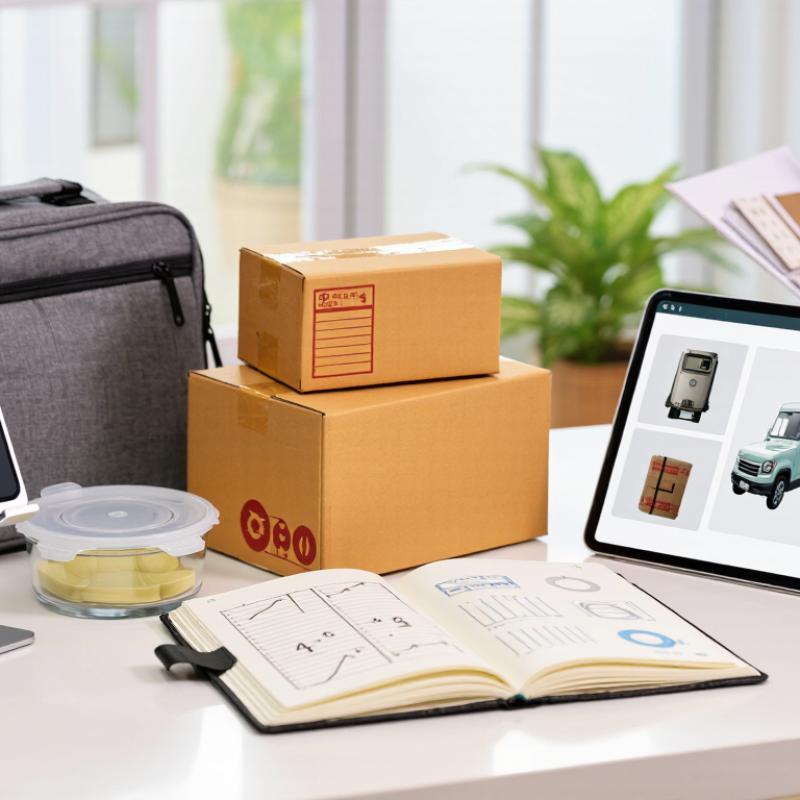
Define Private-Label Profitability: The 2023 U.S. Market Reached $236 Billion
How to Find Profitable Private Label Products?
Define Private-Label Profitability: The 2023 U.S. Market Reached $236 Billion
Private-label profitability starts with demand, not a clever product idea. PLMA, using NielsenIQ data, reported U.S. private-label retail sales of approximately $236.6 billion in 2023. That figure increased about 4.7% from the previous year. It signals strong consumer acceptance, but market size does not guarantee profit. Freight, packaging, returns, advertising, and unsold inventory can quietly reduce margins. A product priced at $24 may leave little money after these costs.
I examine repeat-purchase potential, search demand, review complaints, and supplier consistency. I also compare at least three verified quotations before ordering samples. Circana’s consumer research has repeatedly shown that value remains important, especially when household budgets are pressured. However, cheaper is not always better. My early mistake was choosing a low-cost item with weak differentiation. It sold slowly because customers saw no reason to switch. That lesson still matters.
Tips: Build a simple profit sheet before contacting suppliers. Include product cost, shipping, duties, storage, marketplace fees, advertising, and a return allowance. Target a realistic contribution margin, then test a small batch. Track conversion rate, refund reasons, and repeat orders. A product can look profitable on paper and fail after launch. Review the numbers weekly, not emotionally.
Validate Demand with NIQ’s 38.3% European Private-Label Share in 2024
How to Find Profitable Private Label Products?
NIQ reported that private-label products reached a 38.3% value share across Europe in 2024. This figure signals strong consumer acceptance, not automatic profitability. Demand varies by country, category, price tier, and shopping mission. A product may sell quickly in one market and remain unnoticed elsewhere. Test carefully.
Start with a narrow customer problem. For example, examine a compact kitchen organizer, its shelf dimensions, packaging size, and common review complaints. Then compare search volume, retail prices, repeat-purchase potential, and seasonal changes. Eurostat household spending data can help reveal where consumers feel pressure. However, broad spending trends do not prove product-level demand.
Use a small validation order before committing to large inventory. Track conversion rate, return reasons, review language, and contribution margin after shipping and storage. NIQ’s 38.3% figure supports the private-label opportunity, but it cannot replace local testing. That is the uncomfortable part. My first demand estimate may be wrong. Product research should include a failure threshold, such as stopping when advertising costs exceed the planned margin for two testing cycles. Quality claims must match documented specifications, safety requirements, and transparent labeling. Reliable sourcing records also strengthen credibility with customers and future retail partners.
Assess Margins, Fees, and the 30% Target Gross-Profit Threshold
Finding a profitable private label product starts with a complete margin calculation, not a promising sales estimate. I record the selling price, factory cost, packaging, freight, customs, platform fees, fulfillment, storage, returns, and advertising. Small charges can quietly erase a healthy-looking margin.
Aim for at least 30% gross profit after direct selling costs. For example, a product selling for $40 should retain $12 or more before overhead and tax. If the product costs $9, shipping costs $4, and platform and fulfillment fees reach $12, only $15 remains. Advertising could reduce that amount further. The numbers must survive a realistic sales period, not just a spreadsheet test.
I prefer testing demand with a modest order and tracking every expense by unit. A sample package may weigh more than expected. Returns may also become expensive. My first estimate once ignored damaged inventory, which made the margin look better than it was. That mistake changed my process: I now add a contingency reserve and test several fee assumptions. The 30% threshold is useful, but it is not a guarantee. Competition, price reductions, and slow inventory can still weaken returns. Review the calculation after real orders arrive, because actual costs often disagree with early quotations.
Compare Suppliers Using MOQs, Lead Times, Certifications, and Defect Rates
How to Find Profitable Private Label Products?
A profitable product starts with a supplier comparison, not a catalog search. Request the MOQ, lead time, certification records, and recent defect data in writing. MOQ affects cash flow and storage costs. A low MOQ may help testing, but the unit price can be higher. A large MOQ may reduce costs while increasing inventory risk.
Lead times need careful checking. Ask about production, inspection, and shipping separately. A supplier promising ten days may exclude material preparation. Certifications should match the product and destination market. Verify the certificate number, issuing body, scope, and expiry date. Do not accept a copied document without independent confirmation. For defect rates, request inspection reports and define acceptable quality limits before ordering. My first comparison was too simple. I focused on price and missed packaging delays.
Tips: Build a comparison sheet. Record every promise. Ask how defects are corrected. Request a paid sample and inspect seams, labels, color, function, and packaging. Then compare the sample with mass production. Even reliable suppliers can have weak production batches. Recheck assumptions before placing a larger order. Profit depends on consistency, not only a low quote.
How to Find Profitable Private Label Products?
Compare anonymized suppliers by minimum order quantity, lead time, certifications, and defect rate before selecting a private label product.
Lower MOQ, shorter lead time, stronger certification coverage, and lower defect rates generally reduce inventory risk and improve product profitability. The benchmark uses realistic supplier evaluation ranges and anonymized supplier labels.