Top 10 Private Label Makeup Manufacturers You Need to Know?
In today's beauty industry, private label makeup manufacturers play a crucial role. They provide brands with the ability to create unique products without the extensive costs of product development. This offers opportunities for new entrepreneurs and established brands alike. However, choosing the right manufacturer is essential for success.
Not all private label makeup manufacturers are created equal. Some may lack quality control, while others may not align with your brand’s vision. It's important to research each potential partner thoroughly. Look for manufacturers with a robust portfolio, good reputation, and positive customer feedback. This ensures that the products are dependable and meet market demands.
In this guide, we will explore the top 10 private label makeup manufacturers you need to know. Each entry brings its own strengths and weaknesses. This will help you recognize what to consider when partnering with them. Understanding these details can prevent costly mistakes in your product line.
Overview of Private Label Makeup Industry
The private label makeup industry has been gaining traction in recent years. Many businesses are tapping into
this lucrative market by offering customized products. This approach allows brands to create unique formulas and packaging
that cater to target demographics. As consumer preferences shift, having flexibility in product offerings becomes crucial.
Understanding trends is essential. The rise of clean beauty and sustainable packaging is reshaping the landscape.
Brands are now more accountable for sourcing ingredients responsibly. However, challenges persist. Not all manufacturers can adapt quickly to these changes.
This inconsistency can impact brand reputation. Companies must invest time in vetting manufacturers to ensure quality and reliability in their product lines.
Placing trust in manufacturers requires due diligence and expertise. Each partnership should be built on transparency and mutual goals. As businesses strive for differentiation,
the need for high-quality private label makeup options continues to grow. Yet, with opportunities come risks.
Misalignments can lead to products that miss the mark, reminding brands to continually evaluate their strategies in this dynamic industry.
Criteria for Selecting Private Label Makeup Manufacturers
When selecting private label makeup manufacturers, consider key factors that affect quality and reliability. One of the essential criteria is the manufacturer’s experience in the industry. A company with years of expertise often has the skills to produce high-quality products. According to a report by Grand View Research, the global cosmetic market was valued at approximately $380 billion in 2020 and continues to expand. This growth reflects the potential of partnering with the right manufacturer.
Also, evaluate the certifications and compliance standards they meet. This includes FDA regulations for cosmetics, which ensure product safety. Manufacturers that comply with these standards show a commitment to quality. A study from Research and Markets indicates that an increasing number of consumers prioritize safe, cruelty-free, and sustainable makeup products. Therefore, the manufacturers should align with these trends to cater to market demands.
Lastly, assess their flexibility in terms of minimum order quantities and lead times. Some manufacturers may impose high minimums, which can be a barrier for new businesses. A personal touch in communication can often reveal their responsiveness and willingness to adapt. Reflecting on these criteria can lead to a more informed decision. Many startups overlook these factors, which may lead to operational challenges later on.
Top 10 Private Label Makeup Manufacturers You Need to Know - Criteria for Selecting Private Label Makeup Manufacturers
| Manufacturer Location |
Minimum Order Quantity |
Customization Options |
Lead Time |
Certification |
Notable Features |
| USA |
500 units |
Full customization available |
4-6 weeks |
ISO 9001 |
Eco-friendly ingredients |
| South Korea |
300 units |
Color and formula customization |
3-5 weeks |
KFDA |
Innovative packaging solutions |
| China |
1000 units |
Private label & branded packaging |
6-8 weeks |
GMP |
Wide range of skincare and cosmetics |
| Germany |
250 units |
Custom formulations available |
5-7 weeks |
EU Cosmetics Regulation |
Strong focus on quality control |
| France |
400 units |
Luxury brand customization |
6-8 weeks |
Vegan Certification |
Exclusive ingredients sourced from local suppliers |
Top 10 Private Label Makeup Manufacturers Explained
When exploring private label makeup, several key manufacturers stand out. These companies offer a range of customizable products. They allow brands to create unique formulations that resonate with their target audience. Each manufacturer has its strengths. Some excel in organic ingredients. Others focus on innovative packaging.
The production process varies from company to company. Some prioritize speed to market, while others focus on quality control. A common challenge is balancing cost with premium product expectations. Many brands struggle with sourcing sustainable materials. This can complicate the development process and affect timelines. Understanding each manufacturer’s capabilities is vital for effective partnerships.
Building a relationship with a manufacturer requires research. It's essential to ask for samples and conduct quality checks. Not every manufacturer will meet expectations consistently. Brands should remain adaptable. Regular communication can help address issues as they arise. The choice of a reliable partner makes a significant difference in overall success in the competitive makeup industry.
Benefits of Partnering with Private Label Makeup Brands
Partnering with private label makeup brands offers numerous benefits for beauty entrepreneurs. One key advantage is the ability to customize products. With private label options, businesses can create unique formulations and packaging that align with their brand identity. This distinctiveness helps attract customers and build brand loyalty. However, it requires thorough market research to ensure products meet consumer expectations.
Cost efficiency is another essential aspect. By collaborating with private label manufacturers, businesses can significantly reduce production costs. They often provide lower minimum order quantities, making it easier for startups to enter the market. Yet, it can be challenging to strike a balance between quality and price. Brands must carefully choose their manufacturing partners to maintain product integrity.
Additionally, private labeling allows for a quicker time-to-market. Businesses can launch products without the lengthy processes of developing them from scratch. This agility can be a major advantage in a competitive industry. Nevertheless, the reliance on third-party manufacturers means brands must invest time in building strong relationships. Trust and communication become vital for successful collaboration.
Future Trends in Private Label Makeup Manufacturing
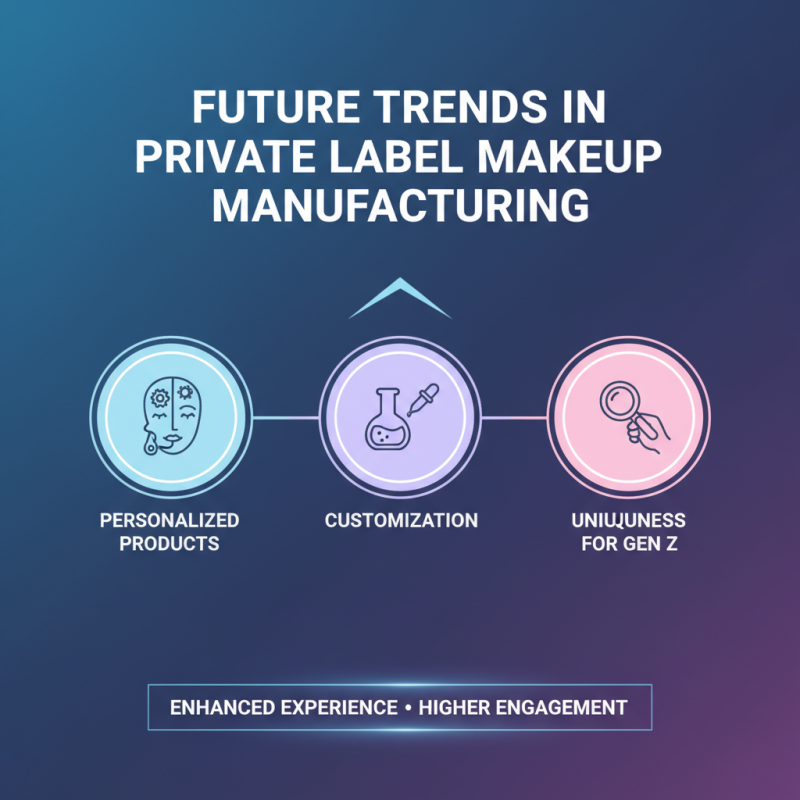
The private label makeup industry is evolving rapidly. Brands are increasingly turning to personalized products to attract consumers. Customization not only enhances user experience but also drives higher engagement. This trend is particularly appealing to younger generations who seek uniqueness in their beauty routines.
Sustainability is another key focus in the future of private label makeup. Consumers are becoming more conscious about the environmental impact of their purchases. Brands face pressure to adopt eco-friendly practices, from sourcing ingredients to packaging. This transformation may pose challenges, such as higher costs and logistical complexities, but it reflects a necessary shift in consumer expectations.
Digital innovation will play a significant role in the industry's growth. Technologies like augmented reality and AI are changing how consumers interact with products. However, not all brands are adapting quickly. Some still rely on traditional approaches, which may limit their market potential. A balance between innovation and authenticity will be crucial for long-term success.