Top 10 Private Label Cosmetics Brands You Should Know?
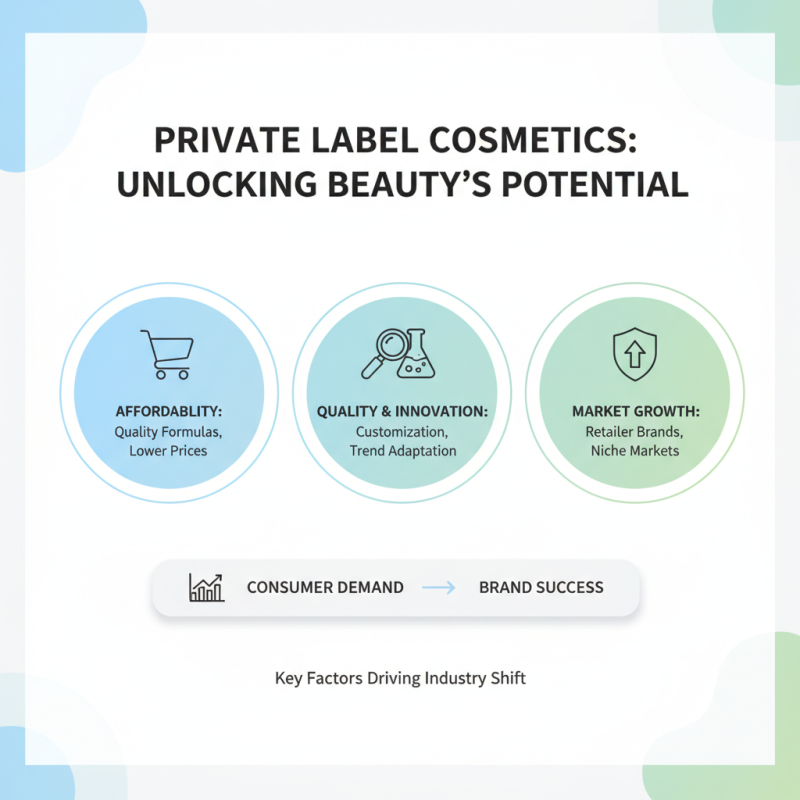
The rise of private label cosmetics has reshaped the beauty market. According to recent reports, private label brands now account for nearly 25% of the cosmetics sector. This impressive growth reflects changing consumer preferences. Many shoppers seek quality products at competitive prices.
Private label cosmetics often offer unique formulations and packaging. These brands can quickly respond to trends and consumer demands. For example, retailers like Sephora and Target have successfully launched their own lines. Yet, competition is fierce. Not all private label products meet the high expectations of consumers.
This landscape encourages constant improvement. Brands must focus on quality, branding, and customer feedback. Many companies realize the significance of innovative marketing strategies. Balancing affordability and quality remains a challenge. This evolving market presents both opportunities and risks. The future of private label cosmetics is bright but requires careful navigation.
Overview of Private Label Cosmetics and Their Market Impact
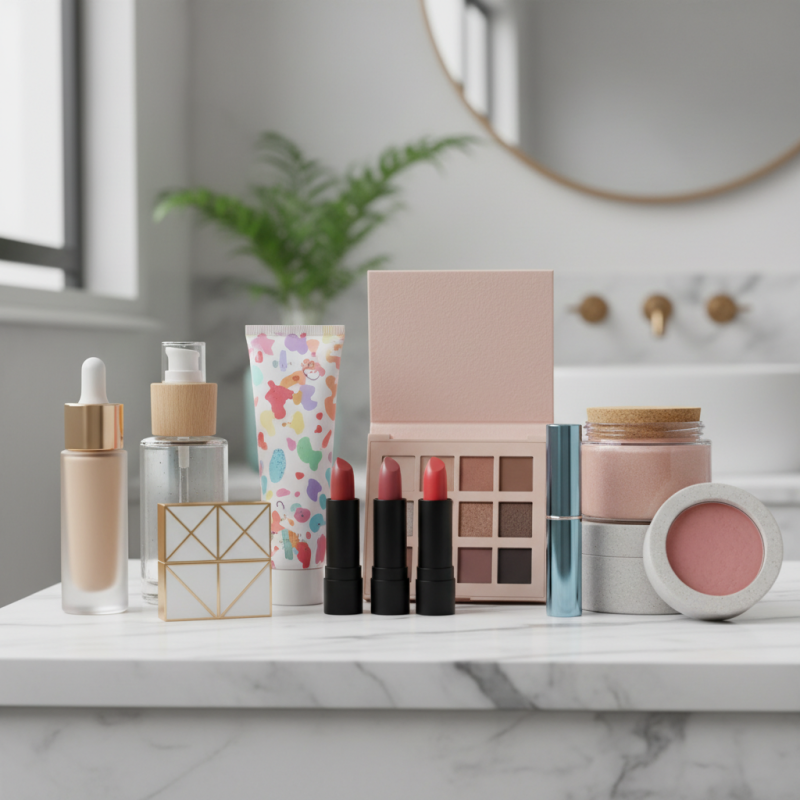
The private label cosmetics market is rapidly evolving. According to a recent report, this segment is expected to reach $438 billion by 2024. The growth is fueled by consumer demand for quality products at lower prices. Many shoppers prefer private labels for their affordability and variety.
Retailers are embracing this trend. They are expanding their own lines and focusing on unique formulations. Research shows that 77% of consumers have tried private label products in various categories. This statistic highlights the increasing acceptance of these brands, especially among younger shoppers. However, challenges remain. Some consumers question the quality compared to established brands.
Sustainability is another critical area in this market. Consumers are becoming more environmentally aware. Reports indicate that 48% of shoppers consider eco-friendly practices when purchasing cosmetics. Brands must adapt to these expectations to remain competitive. However, not all private labels prioritize sustainability. This raises concerns about transparency and genuine commitment to eco-friendly practices.
Top 10 Private Label Cosmetics Brands to Watch in 2023
In 2023, the private label cosmetics market is evolving rapidly. Many brands are offering unique products that cater to diverse customer needs. These brands often provide quality at a competitive price. Shoppers are looking for options that stand out. This trend reflects a shift in consumer behavior, favoring individualized products.
One emerging aspect is sustainability. Many private label brands are increasingly focusing on eco-friendly packaging and natural ingredients. However, some of these brands still struggle with transparency. Consumers want to know the origin of their products. The balance between affordability and ethical sourcing remains a challenge.
Innovation in formulations is another key focus. From skincare to makeup, the market is saturated with new offerings. Yet, not every concept is executed well. Some products may lack effectiveness or present formulation issues. Such imperfections prompt consumers to rethink their choices. In this landscape, thoughtful purchasing decisions are essential.
Top 10 Private Label Cosmetics Brands to Watch in 2023
Comparative Analysis of Brand Identity Among Leading Private Labels
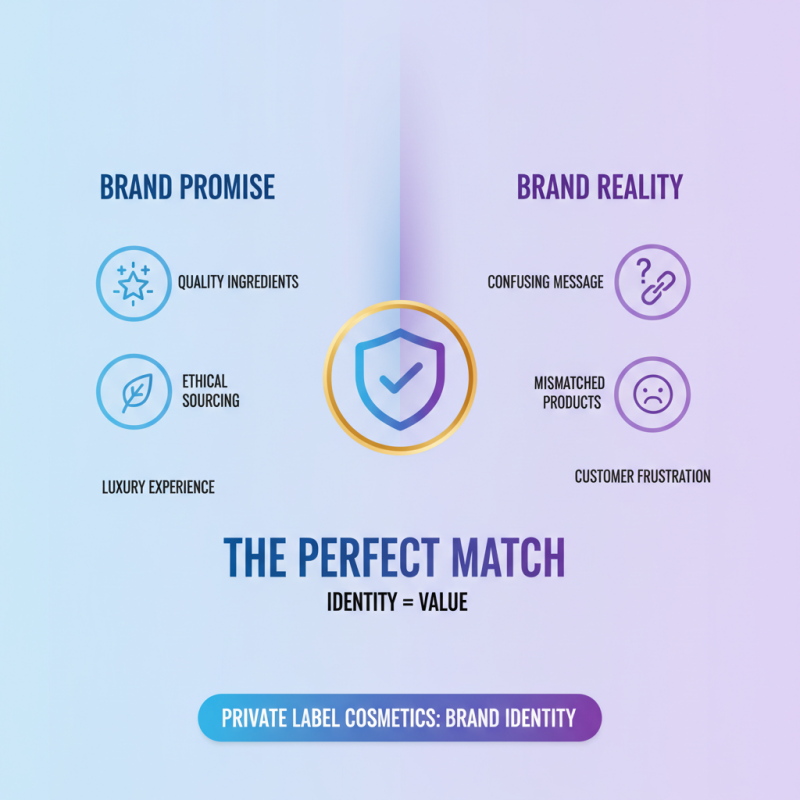
In the realm of private label cosmetics, brand identity plays a crucial role. Each brand has its unique story, often told through vibrant packaging and compelling marketing. The visuals draw us in; however, the core message can be confusing. Some brands create an image that doesn’t align with their actual products. This mismatch can lead to customer frustration. It’s essential for brands to ensure that their identity reflects the quality and values they promise.
Observing leading private labels reveals varied approaches to brand identity. Some focus heavily on sustainability, using eco-friendly packaging. Yet, others might prioritize the glamour of high-fashion influences. This creates a diverse landscape. However, not all brands effectively communicate their identity. Some consumers struggle to identify what a brand truly stands for. Clarity is vital. Customers want to trust that their choices reflect not just appearance, but a genuine ethos. The challenge lies in maintaining authenticity while appealing to evolving consumer trends.
Future Trends in Private Label Cosmetics and Consumer Preferences
The landscape of private label cosmetics is evolving rapidly. Consumers are looking for unique products that reflect personal style. This trend indicates a shift from traditional brand loyalty to experiences tailored for individual needs. Many shoppers prefer customizable options. They want to explore shades and formulations that resonate with their identity.
Sustainability is another crucial factor in consumer preferences. Eco-friendly packaging and ethically sourced ingredients are increasingly popular. Brands that prioritize these values often see higher engagement. However, not all private label brands yet meet these expectations. This gap presents an opportunity for improvement. Companies need to better understand consumer values.
Furthermore, social media plays a significant role in shaping trends. Consumers seek authenticity in their purchases. They often turn to online reviews and influencer recommendations. This society of sharing creates a two-way street where brands must listen and adapt. The challenge remains for companies to foster genuine connections while maintaining a strong, recognizable identity in a saturated market.
Top 10 Private Label Cosmetics Brands You Should Know
| Rank |
Category |
Product Type |
Price Range |
Consumer Rating |
| 1 |
Skincare |
Moisturizer |
$20 - $50 |
4.5/5 |
| 2 |
Makeup |
Foundation |
$15 - $30 |
4.3/5 |
| 3 |
Haircare |
Shampoo |
$10 - $25 |
4.6/5 |
| 4 |
Fragrance |
Perfume |
$25 - $70 |
4.7/5 |
| 5 |
Makeup |
Lipstick |
$10 - $25 |
4.2/5 |
| 6 |
Skincare |
Sunscreen |
$15 - $35 |
4.8/5 |
| 7 |
Haircare |
Conditioner |
$10 - $20 |
4.4/5 |
| 8 |
Cosmetics |
Eyeshadow |
$15 - $40 |
4.3/5 |
| 9 |
Skincare |
Serum |
$25 - $60 |
4.6/5 |
| 10 |
Fragrance |
Body Spray |
$10 - $25 |
4.1/5 |