Top 10 Organic Skin Care Tips for Global Suppliers to Consider
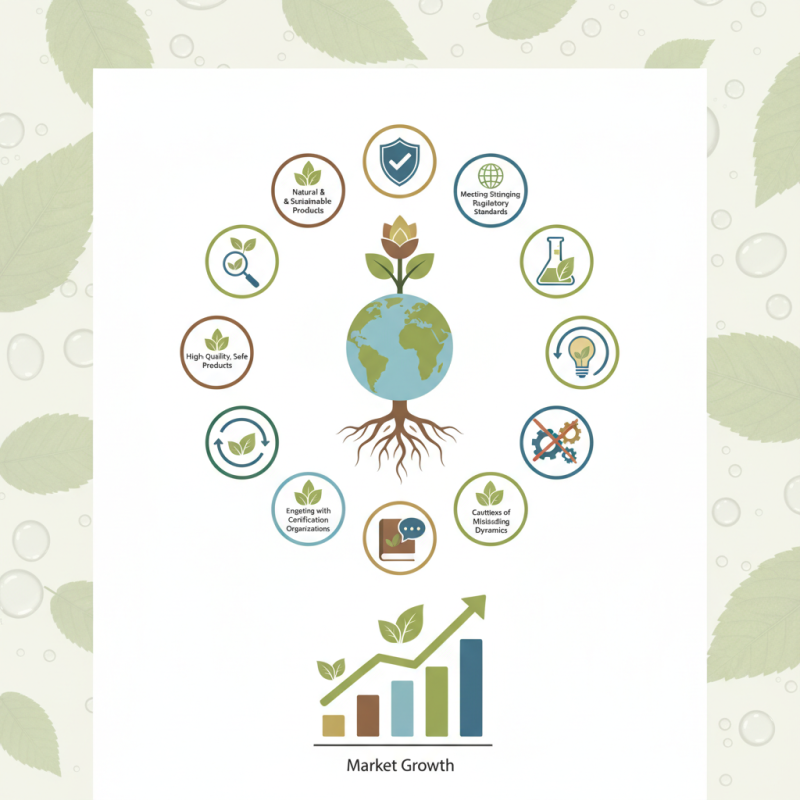
The global demand for organic skin care continues to rise, with the market projected to reach $22 billion by 2024. Consumers are increasingly opting for natural and sustainable products, reflecting a shift towards healthier skincare options. This trend highlights the importance of transparency and ethical sourcing in the organic skin care industry.
However, not all suppliers fully understand this evolving landscape. Many face challenges such as meeting stringent regulatory standards and consumer expectations. These obstacles can hinder growth and credibility in a competitive market. The emphasis remains on creating high-quality, safe products that resonate with informed consumers. Reflecting on industry reports, it’s evident that staying updated with the latest organic skin care innovations is vital for suppliers.
Engaging with reputable organic certification organizations can bolster trust. Suppliers must actively embrace sustainability while being cautious of misleading claims. The journey towards mastering organic skin care is complex and requires ongoing education and adjustments to meet ever-changing market dynamics.
Understanding the Importance of Organic Skin Care Products
Understanding the importance of organic skin care products has never been more crucial. Consumers are increasingly aware of what they apply to their skin. Many are seeking products free from harmful chemicals and artificial additives. This shift toward organic options reflects a growing preference for sustainability and health.
As suppliers, it’s essential to prioritize natural ingredients. Using botanical extracts and essential oils can enhance product effectiveness. Choosing high-quality components can set a brand apart in a crowded market. Consumers trust brands that are transparent about their ingredient sources. Providing detailed information fosters credibility.
Another important tip is to emphasize the benefits of organic products. Highlight their gentler nature on the skin. Organic products are less likely to cause irritation or allergic reactions. This quality appeals to those with sensitive skin. However, suppliers should ensure product efficacy is backed by research, balancing organic appeal with proven results.
There’s also a need for continuous improvement. Gather feedback from consumers about product performance. Engage in discussions about formulation and safety. Listening can often reveal areas that require enhancement. Addressing such concerns shows commitment to quality and customer satisfaction.
Top 10 Organic Skin Care Tips
Identifying Key Ingredients for Effective Organic Skin Care
When developing effective organic skin care products, identifying key ingredients is crucial. Numerous studies indicate that consumers prioritize natural components. For instance, a survey by industry experts revealed that 70% of consumers seek products with recognizable ingredients. Therefore, suppliers must focus on transparency and education.
One standout ingredient in organic formulations is aloe vera. This plant is known for its soothing and hydrating properties. Research shows that aloe vera can reduce skin irritation and promote healing. Another popular choice is shea butter, which contains fatty acids that nourish the skin. According to a market analysis by Grand View Research, the global shear butter market is expected to grow significantly, highlighting its demand.
However, not all organic ingredients are created equal. For instance, essential oils may trigger allergic reactions in some individuals. Suppliers should conduct thorough testing on potential allergens. Staying updated with the latest research and consumer preferences can prove challenging. Yet, it remains essential for creating reliable and effective products. By embracing these insights, suppliers can refine their organic offerings.
Top 10 Organic Skin Care Tips for Global Suppliers to Consider - Identifying Key Ingredients for Effective Organic Skin Care
| Rank |
Key Ingredient |
Benefits |
Source |
Usage Tips |
| 1 |
Aloe Vera |
Moisturizes, soothes sunburn |
Plant |
Apply gel directly from leaves |
| 2 |
Coconut Oil |
Hydrating, antibacterial properties |
Oil |
Use as a moisturizer or cleanser |
| 3 |
Jojoba Oil |
Balances oil production |
Oil |
Apply to damp skin for absorption |
| 4 |
Shea Butter |
Deeply moisturizes, anti-inflammatory |
Nut fat |
Melt in hands before applying |
| 5 |
Honey |
Antioxidant, humectant properties |
Natural sweetener |
Mix with a mask or apply directly |
| 6 |
Tea Tree Oil |
Antimicrobial, anti-inflammatory |
Essential oil |
Dilute before applying to skin |
| 7 |
Lavender Essential Oil |
Calming, anti-inflammatory |
Essential oil |
Add a few drops to skincare products |
| 8 |
Vitamin E |
Antioxidant, skin repair |
Vitamin |
Use in serums or oils |
| 9 |
Rosehip Oil |
Rich in essential fatty acids |
Oil |
Apply overnight for best results |
| 10 |
Grapeseed Oil |
Lightweight, ideal for oily skin |
Oil |
Use as a moisturizer or treatment |
Sourcing Sustainable Materials for Organic Skin Care Brands
Sourcing sustainable materials is essential for organic skin care brands. Many consumers prioritize eco-friendly products. They want assurance that their choices benefit the planet. Brands need to explore various sources for raw materials. Natural ingredients like shea butter, coconut oil, and essential oils are popular. It is crucial to choose suppliers who adhere to ethical practices.
However, the quest for sustainability is not without challenges. Some suppliers may not disclose their sourcing methods. This lack of transparency can lead to mistrust among consumers. Verifying sustainability claims requires diligence. Brands must conduct thorough research and audits. Collaborating with organizations that specialize in sustainable practices can enhance credibility.
Additionally, considering local sourcing can reduce the carbon footprint. When brands purchase materials from local suppliers, it supports the economy. There are also potential drawbacks to consider, like limited availability. Brands must balance idealism with practicality. Striving for sustainability should not compromise quality. Companies need to remain adaptable and open to learning.
Establishing Ethical Supply Chains in Organic Skin Care
Establishing ethical supply chains in organic skin care is crucial for sustainability. Data from the Organic Trade Association shows that the organic personal care market reached $1.2 billion in 2022, highlighting the demand for transparency in sourcing. Consumers increasingly prefer brands that prioritize sustainable and ethical practices.
To build such supply chains, suppliers must evaluate their sourcing methods. More than 60% of consumers express concern about sourcing practices. This concern emphasizes the need for transparency and integrity at every level. For instance, ensuring fair wages for farmers and workers can enhance product quality and brand reputation. However, maintaining ethical standards can be complex and often requires regular audits and partnerships with trustworthy organizations.
Additionally, traceability plays a vital role in supply chain ethics. Research states that 73% of consumers are more likely to purchase products with clear ingredient sourcing information. Brands can strengthen their ethical stance by utilizing blockchain technology. This technology offers visibility and reliability but requires investment and adaptation. Balancing profitability while ensuring ethical practices remains a challenge. Addressing these aspects thoughtfully can pave the way for a more sustainable future in organic skin care.
Marketing and Educating Consumers on Organic Skin Care Benefits
In the ever-evolving world of organic skin care, educating consumers is crucial. Many people are curious about the benefits of natural ingredients. They want to know how these products differ from conventional options. As global suppliers, providing clear and accurate information can enhance trust.
Highlighting the benefits of organic skin care is vital. For instance, organic ingredients are often free from synthetic chemicals. This means reduced chances of irritation or allergic reactions. Share stories or testimonials that resonate with potential customers. Authentic experiences can build connections.
Tips can enhance consumer knowledge. Encourage your audience to look for certifications on packaging. This indicates that products meet organic standards. Also, share DIY recipes using simple, verified organic ingredients. Engaging your audience with hands-on activities can deepen their understanding. Adjusting marketing strategies to focus on education can foster loyalty in a competitive market.