Top ENT Medical Equipment Suppliers for Global Buyers?
Choosing reliable Ent Medical Equipment suppliers requires more than comparing prices or browsing polished product pages. Global buyers must examine clinical performance, manufacturing consistency, service capacity, and regulatory documentation. A flexible endoscope may look impressive in a catalog, yet its image quality, sterilization workflow, and repair support determine its real value in a hospital.
Dr. James C. Denneny, an otolaryngologist and former executive of the American Academy of Otolaryngology–Head and Neck Surgery, has emphasized, “Patient safety must remain at the center of every technology decision.” This principle shapes our approach to the leading Ent Medical Equipment suppliers worldwide. We consider endoscopy systems, operating microscopes, audiology devices, surgical instruments, patient monitors, and related accessories. We also examine practical details, such as replacement-part availability and response times for technical support.
Small details matter.
A supplier with clear training materials can reduce avoidable operating-room errors. A supplier with weak documentation may create expensive delays. Buyers should also verify product certifications for their target markets, because approval requirements differ across regions. No ranking is flawless. Product quality can vary between models, distributors, and service teams. That limitation deserves honest attention.
This guide compares established suppliers through an experience-based lens. It considers equipment reliability, clinical usability, innovation, warranty terms, customization, and after-sales assistance. The goal is not to promote the most expensive brand. It is to help hospitals, clinics, and medical distributors make informed decisions with fewer surprises. Careful evaluation remains essential, especially when equipment will support delicate examinations, airway procedures, hearing assessments, or ear and sinus surgery.
Understanding ENT Medical Equipment and Its Clinical Applications
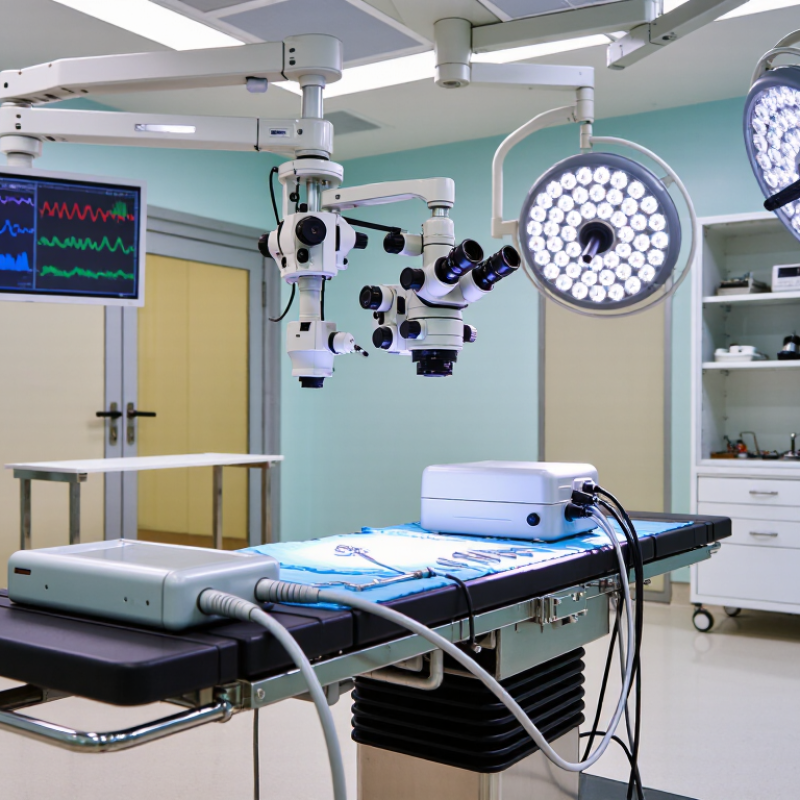
ENT medical equipment supports the diagnosis, monitoring, and treatment of ear, nose, and throat conditions. Otoscopes help clinicians inspect the ear canal and eardrum under focused light. Nasal endoscopes provide clearer views of the nasal passages and sinus openings. Audiometers measure hearing thresholds, while tympanometers assess middle-ear pressure and eardrum movement.
Each device serves a different clinical question. A flexible endoscope may help identify swelling, polyps, or vocal-cord movement. A surgical microscope can improve precision during delicate ear procedures. Suction systems remove fluids and improve visibility. Reliable equipment should offer clear imaging, stable performance, simple controls, and documented maintenance support. A low purchase price can become expensive when calibration, training, or replacement parts are overlooked. That point deserves more attention.
Tips: Compare clinical specifications, not only product photos. Ask suppliers about calibration records, sterilization compatibility, user training, warranty terms, and service response times. Check whether accessories fit the intended workflow. Test image quality in realistic lighting when possible. A device can look impressive in a catalog yet feel awkward beside a treatment chair. Procurement teams should also confirm electrical requirements, infection-control procedures, and local regulatory documentation before installation.
ENT Medical Equipment and Clinical Applications: Global Hearing-Care Need
Hearing assessment and rehabilitation equipment, including audiometers, tympanometers, otoacoustic-emission systems, and hearing-aid fitting platforms, supports the diagnosis and management of a substantial global healthcare need. The figures shown are based on World Health Organization estimates and are presented in millions of people.
Source: World Health Organization, Deafness and hearing loss fact sheet.
Key Criteria for Evaluating Global ENT Equipment Suppliers
Choosing an ENT equipment supplier requires more than comparing prices. Global buyers should examine clinical experience, technical depth, and after-sales reliability. Ask how many hospitals use the equipment in settings similar to yours. Request a live demonstration, not only polished videos. Watch an endoscope image on a moving model. Check whether small details remain visible under changing light. Practical evidence matters.
A capable supplier should explain specifications in clinical language. They should discuss camera resolution, illumination, working distance, and recording compatibility. For examination chairs, inspect motor noise, patient positioning, and emergency movement controls. For suction systems, ask about filters, noise levels, cleaning, and replacement intervals. Training should include setup, routine cleaning, troubleshooting, and safe storage. Request manuals, calibration records, quality certificates, and local compliance documents. Requirements differ across countries.
Reliability appears after installation. Confirm response times, spare-part availability, warranty boundaries, and remote support hours. Ask for two customer references, preferably from different regions. Speak with users about delayed repairs, consumable costs, and staff learning curves.
A practical lesson from field evaluations is clear: low purchase prices can hide expensive downtime. That risk deserves attention.
A supplier may look authoritative online, yet weak documentation can reveal operational gaps. Leave room for doubt.
Leading Categories of ENT Devices and Supplier Capabilities
Top ENT Medical Equipment Suppliers for Global Buyers
ENT equipment covers several clinical needs, from routine examination to advanced diagnosis. Otoscopes support ear inspections in clinics and mobile settings. Nasal and laryngeal endoscopes provide clearer views of narrow anatomical areas. Audiometers and tympanometers help assess hearing and middle-ear function. Surgical microscopes, suction systems, and treatment chairs support procedures that demand stability and precise control.
A capable supplier should understand how these categories work together. Product specifications must be clear, including image resolution, measurement range, connectivity, and sterilization requirements. Suppliers with documented quality systems offer stronger purchasing confidence. They should provide calibration records, user manuals, maintenance guidance, and traceable components. Training also matters. A short demonstration can prevent costly misuse.
Service quality often separates reliable suppliers from simple exporters. Global buyers should ask about spare parts, response times, installation support, and local regulatory documentation. Compatibility with existing hospital systems deserves careful review. No supplier is perfect. A low price may conceal limited technical support, while premium features may exceed a clinic’s real needs. Even experienced buyers can overlook workflow details, such as cable placement or cleaning time. Practical trials and feedback from ENT professionals can reveal these weaknesses before purchase.
International Compliance, Quality Assurance, and Technical Support
Top ENT Medical Equipment Suppliers for Global Buyers
International Compliance, Quality Assurance, and Technical Support
Reliable ENT suppliers understand that compliance is more than displaying a certificate. They identify the destination market, product classification, electrical safety rules, and local registration requirements. Buyers should request current documents, including quality management certification, test reports, declarations, and traceability records. Certificate scope matters. A document may not cover every device or accessory.
Quality assurance should appear in daily production details. Look for incoming material inspection, serial-number tracking, calibration records, and final performance testing. For an endoscope, this may include image clarity, light output, sealing, and connector checks. For an audiometer, documented calibration and controlled test conditions are essential. These records support safer clinical decisions and make service investigations more practical.
Technical support often determines whether equipment performs well after installation. Experienced suppliers provide remote guidance, user training, maintenance procedures, and accessible spare parts. Response times should be written clearly, not promised casually. A video call can solve a setup error, but it cannot replace local technical competence in every situation. Some suppliers present impressive paperwork yet offer weak training. That is an uncomfortable gap worth examining. Buyers should speak with biomedical engineers, review service cases, and test communication before purchasing. Small details matter, such as packaging labels, translated manuals, and instructions for cleaning delicate components.