Top 10 Cosmetic Manufacturers You Should Know About?
In the world of beauty, cosmetic manufacturers play a vital role. Their influence shapes the products we use daily. From skincare to makeup, these companies create trends and foster innovation.
Some well-known names stand out, but many smaller brands also deserve attention. They offer unique formulations and cater to diverse audiences. The journey of selecting the right product can be overwhelming.
While top manufacturers often dominate the market, rising brands challenge traditional norms. They prompt consumers to reflect on beauty's ever-evolving nature. This exploration of the top 10 cosmetic manufacturers reveals an intricate landscape filled with potential and opportunity.
The Global Landscape of Cosmetic Manufacturing: Key Data Insights
The cosmetic manufacturing industry is vast and diverse. It plays a crucial role in the global economy. With advancements in technology, many manufacturers are shifting towards sustainable practices. This shift impacts ingredient sourcing and packaging. Consumers are more aware of environmental issues than ever. They demand eco-friendly products, pushing brands to rethink their strategies.
Data shows that the market is expected to grow significantly in the coming years. Regions like Asia-Pacific are emerging as powerhouses in cosmetic production. However, the challenge remains in maintaining quality and safety. Not all manufacturers adhere to strict regulations. This inconsistency raises concerns. Some companies still prioritize profit over ethical practices. It’s essential for consumers to stay informed about these issues.
Innovation is another key factor in this landscape. New formulations and technologies continue to change what is possible in cosmetics. Yet, with creativity comes responsibility. Many innovations lack thorough testing. This can lead to unexpected reactions. It requires manufacturers to balance innovation with safety. Ongoing reflection on development processes is vital for future success.
Top 10 Cosmetic Manufacturers You Should Know About
Market Share Analysis of Leading Cosmetic Manufacturers Worldwide
The cosmetic industry is vast and diverse. Many manufacturers vie for market share worldwide. There are several leading players, each with unique strengths and innovations. Understanding their market positions can offer insights into trends and consumer preferences.
Sales data reveals that some manufacturers dominate specific regions. For instance, in North America, preference leans towards natural products. Innovations in skincare formulations attract many consumers. European brands excel in high-end cosmetics, often focusing on luxury. This variance reflects cultural tastes and buying habits. However, not every brand keeps up with changing demands. Some struggle with sustainability commitments and ethical sourcing.
Emerging markets show promising growth. In Asia, younger consumers are driving trends through social media. They favor brands that emphasize inclusivity and diversity. This shift requires established manufacturers to rethink their strategies. Reflecting on past marketing efforts helps identify gaps. Brands must adapt to stay relevant, yet not all do so effectively. The landscape is competitive, and the challenges are evident.
Top 10 Cosmetic Brands: Revenue Figures and Growth Statistics
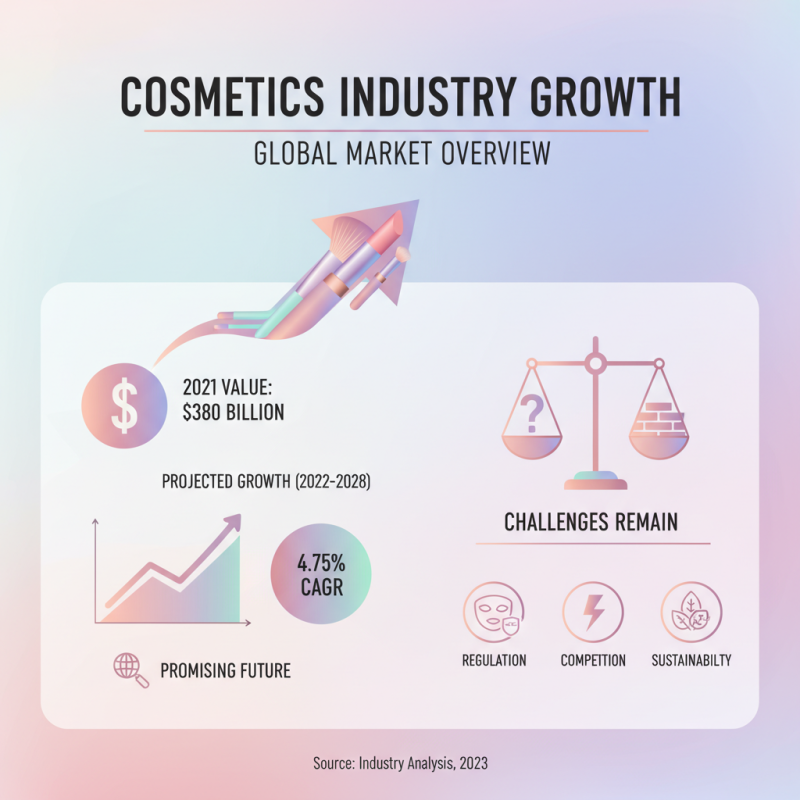
The cosmetics industry has shown remarkable growth in recent years. In 2021, the global cosmetics market was valued at approximately $380 billion. Analysts project a compound annual growth rate (CAGR) of 4.75% from 2022 to 2028. This indicates a promising future, yet challenges remain.
A powerful segment within the market is skincare, which accounted for about 42% of total revenue in 2021. This category has surged due to rising consumer awareness of skin health and the impact of social media. However, increased competition makes it harder for emerging brands to carve a niche. Many struggle to maintain consistent quality and brand loyalty amidst rapid product launches.
Makeup products, though popular, have also faced setbacks. Sales dropped in 2020 due to the pandemic, but a resurgence was noted by 2022. The shifting preferences towards natural ingredients deliver both opportunities and hurdles for manufacturers. Companies must adapt quickly, responding to consumer desires for transparency and sustainability. This evolving landscape requires constant reflection on market strategies. How can brands navigate these shifts effectively? The answer remains a work in progress.
Innovation Trends in Cosmetics: R&D Investments Among Top Manufacturers
The cosmetics industry is witnessing significant innovation trends, primarily driven by substantial R&D investments. In recent studies, leading manufacturers have increased their R&D budgets by roughly 25% over the past two years. This surge reflects a strategic focus on developing sustainable and eco-friendly products. New formulas and packaging methods aim to reduce environmental impact. However, results have not always met expectations, leading to criticism about the effectiveness of these innovations.
Consumer demand for personalized beauty products is rising. About 70% of consumers prefer products tailored to their specific skin types and concerns. To meet this need, manufacturers are investing heavily in advanced technologies, like AI and machine learning. Despite the promise of these technologies, many brands struggle with implementation. The challenge lies in translating complex data into user-friendly products. Some innovations fall flat, failing to connect with consumers on a practical level.
Furthermore, the race for clean beauty continues to redefine the landscape. Many companies are prioritizing ingredient transparency and safety. However, navigating regulatory requirements can be daunting. Studies show that nearly 40% of consumers remain skeptical about product safety claims. This skepticism highlights a critical gap in communication between brands and consumers. As the industry evolves, ongoing reflection and adaptation will be essential for success.
Top 10 Cosmetic Manufacturers You Should Know About
| Manufacturer |
Annual Revenue (Billion USD) |
R&D Investment (% of Revenue) |
Global Market Share (%) |
Sustainability Initiatives |
| Manufacturer 1 |
12.5 |
10 |
15 |
Yes |
| Manufacturer 2 |
9.0 |
8 |
12 |
No |
| Manufacturer 3 |
15.8 |
12 |
20 |
Yes |
| Manufacturer 4 |
8.3 |
6 |
10 |
Yes |
| Manufacturer 5 |
14.2 |
11 |
18 |
No |
| Manufacturer 6 |
10.0 |
9 |
14 |
Yes |
| Manufacturer 7 |
7.5 |
5 |
8 |
No |
| Manufacturer 8 |
11.1 |
7 |
13 |
Yes |
| Manufacturer 9 |
13.0 |
10 |
16 |
No |
| Manufacturer 10 |
16.3 |
15 |
21 |
Yes |
Sustainability Practices in the Cosmetic Industry: A Data-Driven Overview
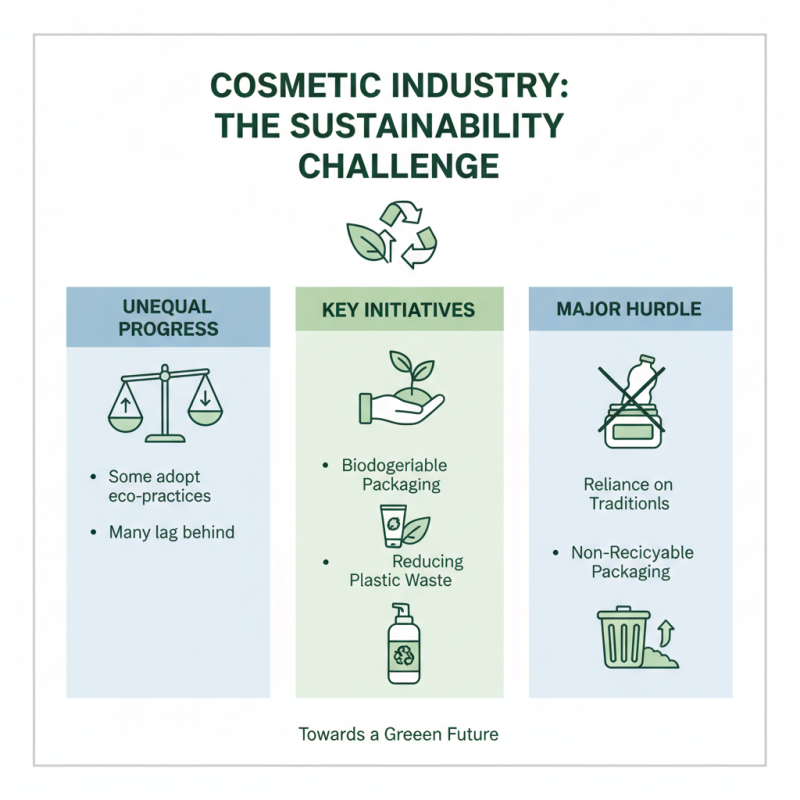
The cosmetic industry faces a pressing challenge: sustainability. Many manufacturers are adopting eco-friendly practices. Yet, the progress is uneven across brands. Some companies are implementing biodegradable packaging. This step is crucial for reducing plastic waste. However, many still rely on traditional materials.
In addition, sourcing ingredients ethically is vital. Natural components can be harmful to ecosystems. Responsible sourcing must prioritize both sustainability and safety. Some manufacturers are transparent about their supply chains. This builds consumer trust. Yet, others lack accountability, leaving customers in the dark.
Data shows that consumers increasingly prefer sustainable products. Their demand drives change within the industry. But not all manufacturers meet this demand. Many struggle with balancing sustainability and profitability. There are no easy answers or quick fixes. The journey toward a sustainable future requires continuous reflection and improvement.