
Top 10 Types of Collagen Powder Which One Is Best?

Collagen Powder now fills pharmacy shelves, fitness bags, and morning smoothie recipes. Yet the label can feel surprisingly confusing. “Hydrolyzed,” “marine,” “bovine,” and “Type II” describe different features, not interchangeable promises.

This guide examines the top 10 types of Collagen Powder and asks a practical question: which one is best for your needs? The answer depends on collagen source, peptide profile, intended use, dietary restrictions, taste, testing standards, and available research. Marine collagen usually comes from fish skin or scales. Bovine collagen commonly contains Types I and III. Chicken collagen often supplies Type II, which attracts attention in joint-focused products. These distinctions matter.

Sports nutrition researcher Dr. Keith Baar has said, “The biggest thing is that you need to take collagen 30 to 60 minutes before exercise.” That timing may interest active readers, but it does not make collagen a miracle supplement. Evidence remains uneven across skin, joints, bones, and athletic recovery. Some studies show promising results; others are small, short, or funded by manufacturers.

Read the fine print.

A credible product should disclose its source, serving size, amino acid information, allergen warnings, and independent quality testing. Look for realistic claims, not dramatic transformations. Consider your own diet, medical history, and sensitivity to fish, beef, pork, or dairy-related ingredients. Even experienced shoppers can miss a detail. I have, too. This comparison aims to make those decisions clearer, while admitting that “best” often depends on the person holding the scoop.
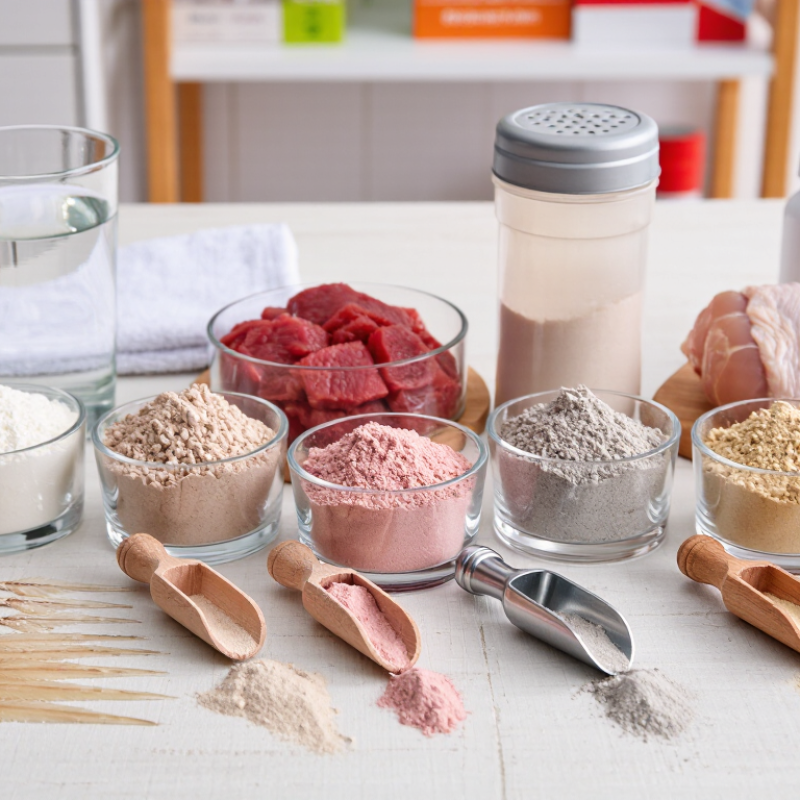
Top 10 Types of Collagen Powder Which One Is Best?

What Is Collagen Powder and How Is It Classified?

Collagen powder is a dried supplement made from collagen-rich animal tissues. Most products use hydrolyzed collagen, meaning enzymes break large proteins into smaller peptides. These peptides dissolve more easily in water. The category sounds cleaner than it is.

Collagen is commonly classified by source, collagen type, processing method, and peptide size. Bovine and porcine powders usually provide mainly Type I and Type III collagen. Marine collagen is also mostly Type I. Type II is associated with cartilage and appears in different formulations. Hydrolyzed collagen is often marketed for easier digestion, but “hydrolyzed” does not automatically mean superior. Grand View Research reported that the global collagen market reached approximately USD 9.1 billion in 2023, with projected growth of about 8.3% annually from 2024 to 2030. This growth reflects rising interest, not proof that every powder works equally well. The classification helps, yet it remains imperfect.

Tips: Check the collagen source, peptide amount, serving size, and independent testing information. Look for clear allergen statements. A simple ingredient list is useful. Avoid judging quality by Type I alone. Human studies often examine specific peptide doses, so comparing products requires care. If you have allergies, kidney concerns, or take regular medication, ask a qualified healthcare professional. Fancy packaging cannot replace evidence.

The Top 10 Collagen Powder Types by Source and Structure

Top 10 Types of Collagen Powder: Which One Is Best?

Collagen powders differ by animal source and molecular structure. Bovine type I is common and supports skin, bone, and connective tissue. Bovine type III often appears beside type I, especially in products made from hide. Marine type I usually comes from fish skin or scales and suits people avoiding land-animal sources. Porcine type I has a similar structural profile, but dietary, cultural, or allergy concerns may matter. Chicken type II is associated with cartilage structure and is often discussed for joint-focused formulas.

Eggshell membrane collagen contains collagen alongside other membrane proteins. Bovine type V occurs in smaller amounts and helps organize collagen fibers. Marine type II is less common, so source details deserve careful checking. Hydrolyzed collagen peptides are broken into shorter chains, which usually dissolve easily in cool water. Undenatured, or native, type II keeps more of its original structure and is not interchangeable with hydrolyzed peptides. That distinction is easy to miss.

In practice, I check the source, collagen type, peptide processing, allergen statement, and independent quality testing. A clear label matters more than a dramatic claim. Research supports potential benefits for some skin and joint outcomes, but results vary with dose, diet, age, and study design. “Best” is not universal. Taste matters too; a powder that clumps or smells strongly may quietly reduce regular use. I would also question vague terms like “multi-collagen” when the proportions remain undisclosed.

Key Benefits and Uses of Each Collagen Powder Type

Top 10 Types of Collagen Powder: Which One Is Best?

Collagen powders differ by collagen type and animal source. Type I is the most common and supports skin, tendons, bones, and ligaments. It may suit people seeking skin elasticity or joint support. Type II is concentrated in cartilage, so it is often used for knee comfort and mobility. Evidence remains mixed. Type III supports skin, blood vessels, and connective tissue, usually alongside Type I. Type V helps organize collagen fibers and may support tissues and hair structure. Type X is linked with cartilage formation and bone development, but human supplement evidence is still limited.

Source matters too. Bovine collagen commonly provides Types I and III for skin, bone, and connective tissue support. Marine collagen is mainly Type I and dissolves easily in drinks, though fish allergies require caution. Porcine collagen can provide Types I and III and works well in general protein routines. Chicken collagen is usually Type II, making it a practical choice for cartilage-focused formulas. Egg membrane collagen contains several collagen types and may support joints, skin, and flexibility. Labels can be confusing.

Hydrolyzed collagen is broken into smaller peptides, which mix more easily and may digest more comfortably. It does not rebuild a specific body part directly. The body uses its amino acids where needed. In practical use, powders fit coffee, yogurt, soup, or water. Vitamin C-rich foods may support normal collagen production. Results often appear gradually, and some users notice little change. People with allergies, medical conditions, or restricted diets should check the source carefully. A qualified healthcare professional can help match the product to a realistic goal.

Top 10 Types of Collagen Powder: Which One Is Best?

Representative tissue associations and common uses of the collagen types most often discussed in collagen supplements.

Type I: Common in skin, bone, tendons and ligaments; usually associated with skin, hair, nail and connective-tissue support.
Type II: Predominant in cartilage; commonly used for joint and cartilage support.
Type III: Found in skin, blood vessels and internal organs; often paired with Type I in beauty-focused powders.
Type IV: Forms basement membranes; important for structural support between tissue layers.
Type V: Present in cornea, placenta, hair and connective tissues; supports fibril formation.
Type VI: Found in skin, muscle and interstitial connective tissue; contributes to cell–matrix support.
Type VII: Creates anchoring fibrils that connect the epidermis to the underlying dermis.
Type IX: Associated with cartilage and vitreous body; helps organize cartilage collagen networks.
Type X: Linked to hypertrophic cartilage and growth plates; involved in bone-development processes.
Type XI: Found mainly in cartilage, intervertebral discs and the vitreous body; helps regulate fibril structure.

Chart metric: number of representative tissue or structural locations listed for each collagen type. This is an occurrence indicator, not a measure of collagen powder quality, dosage or clinical effectiveness. Most collagen powders contain hydrolyzed peptides, commonly derived from Type I and/or Type III collagen, while Type II products are generally positioned for cartilage-focused use.

How to Compare Collagen Powders for Quality and Safety

Collagen powders differ by collagen type, source, processing, and testing. Type I commonly supports skin, bones, and tendons. Type II is more closely linked with cartilage. Types III, V, and other blends may serve different structural roles. However, a longer ingredient list does not guarantee better results.

Hydrolyzed collagen peptides usually dissolve more easily and may be gentler to use. Check the animal source, allergen statements, batch number, and expiration date. A reliable product should provide independent testing for microbes, heavy metals, and undeclared ingredients. “Pure” is not a complete safety claim. Labels can still leave questions. People with allergies, pregnancy, medical conditions, or regular medications should seek professional advice before use.

Tips: Compare the actual collagen amount per serving, not just the scoop size. Choose clear sourcing information and sealed packaging. Avoid products with dramatic promises, hidden blends, or vague testing language. I would also track changes for several weeks, using the same routine and realistic expectations. Results may vary, and collagen powder cannot replace adequate protein, sleep, or a balanced diet.

Which Collagen Powder Is Best for Different Personal Goals?

The best collagen powder depends on your personal goal, not the most attractive label. Hydrolyzed bovine collagen usually provides types I and III, which are commonly studied for skin elasticity and hydration. Marine collagen is often type I and may suit people avoiding land-animal products. Results are usually modest, not dramatic. Give it time.

For joint comfort, chicken collagen, especially type II, may be a practical option. It should not replace medical treatment for persistent pain. If your goal is muscle growth, collagen is not ideal as your main protein. It lacks enough of some essential amino acids, so pair it with complete proteins from food or another suitable source. For hair and nails, evidence remains less certain, and improvements can be difficult to separate from normal growth.

Check the ingredient panel carefully. Choose a powder with clearly stated collagen peptides, sensible serving information, and independent testing when available. People with fish, egg, or bovine allergies need extra caution. Unflavored powder can disappear into warm coffee, yogurt, or a fruit smoothie, though high heat and strong flavors may affect enjoyment. Vitamin C supports normal collagen formation, but megadoses are unnecessary. A healthcare professional should review supplement use during pregnancy, breastfeeding, or chronic illness. No option is perfect. I would reassess after several weeks instead of assuming every change came from the powder.

Top 10 Types of Collagen Powder Which One Is Best? - Which Collagen Powder Is Best for Different Personal Goals?

No. Collagen Powder Type Primary Source Main Collagen Types Potentially Best For Evidence-Based Characteristics Important Considerations
1 Bovine Collagen Peptides Cattle hide or connective tissue Primarily Types I and III Skin, hair, nails, and general connective-tissue support Type I collagen is abundant in skin, bone, tendons, and ligaments; Type III is commonly found alongside Type I in skin and other connective tissues. Not suitable for people avoiding bovine ingredients. It is not a complete protein and should not replace dietary protein.
2 Marine Collagen Peptides Fish skin, scales, or bones Primarily Type I People who prefer a fish-derived option or avoid land-animal collagen Type I is structurally important in skin, bone, tendons, and ligaments. Hydrolyzed peptides are generally easy to dissolve and digest. Avoid in case of fish allergy. Check sustainability, allergen labeling, and contaminant testing information.
3 Porcine Collagen Peptides Pig skin or connective tissue Primarily Types I and III General collagen supplementation when pork-derived ingredients are acceptable Provides amino acids such as glycine, proline, and hydroxyproline, which are characteristic of collagen proteins. Not suitable for people avoiding pork for religious, ethical, dietary, or allergy-related reasons.
4 Chicken Collagen Peptides Chicken cartilage, sternum, or connective tissue Primarily Type II Joint and cartilage-focused goals Type II collagen is a major structural component of articular cartilage and is therefore commonly selected for joint-support formulations. Research results vary by product form and dose. It should not be presented as a treatment for arthritis or joint disease.
5 Type I Collagen Peptides Usually bovine, marine, or porcine sources Type I Skin elasticity, skin hydration, bone, tendon, and ligament support Type I is the most abundant collagen type in the human body and is found in skin, bone, tendons, ligaments, and the cornea. Source matters for allergies and dietary preferences. Visible skin changes, when reported in studies, generally require consistent use over time.
6 Type II Collagen Powder Most commonly chicken cartilage Type II People prioritizing cartilage and joint support Type II collagen is the predominant collagen in hyaline cartilage, which cushions and supports many joints. Undenatured and hydrolyzed Type II products are different formats and should not be assumed to have identical effects.
7 Type III Collagen Powder Usually bovine or porcine sources Type III Skin and soft connective-tissue goals Type III is present in skin, blood-vessel walls, muscles, and internal organs, and often occurs together with Type I collagen. Pure Type III powders are less common than Type I/III blends. Human clinical evidence is more limited than for general collagen peptides.
8 Type V Collagen Powder Animal connective tissues, often included in multi-collagen products Type V People seeking a broader collagen-type blend Type V is found in tissues including skin, hair follicles, cornea, and placental tissue, where it can influence collagen-fiber formation. Standalone Type V powders are uncommon, and direct evidence for specific consumer outcomes remains limited.
9 Multi-Collagen Peptides A combination of bovine, marine, porcine, or chicken sources Commonly Types I, II, III, V, and sometimes X People wanting exposure to several collagen types in one product Combines collagen peptides associated with skin, bone, tendon, ligament, and cartilage tissues. More collagen types do not automatically mean better results. Review the amount of each source and check all allergen labels.
10 Unflavored Hydrolyzed Collagen Peptides Bovine, marine, porcine, or chicken sources Depends on the source; often Types I and III Flexible daily use, low-flavor mixing, and calorie-conscious routines Hydrolysis breaks collagen into smaller peptides that dissolve more easily in hot or cold beverages and foods. “Unflavored” does not always mean tasteless. Check the nutrition panel, sweeteners, source, and third-party quality testing.

Note: Collagen supplements are not a substitute for a balanced diet, adequate protein, medical treatment, or professional advice. Individual results may vary, and people with allergies, pregnancy, kidney disease, or dietary restrictions should consult a qualified healthcare professional before use.

Article Source:

Scroll to Top