
Choosing a reliable Beta Arbutin Powder supplier requires more than comparing prices on a spreadsheet. Purity, stability, documentation, and communication directly affect cosmetic performance. A brightening formula can fail when the powder shows inconsistent assay results or poor storage history.
This guide examines ten international suppliers through practical purchasing criteria. These include beta-arbutin concentration, HPLC testing, microbiological controls, batch traceability, packaging, lead time, and technical support. Supplier quality systems should also reflect recognized cosmetic manufacturing practices. Certificates of analysis matter, but independent verification remains valuable. Look closely.
Cosmetic chemist Dr. Barbara Olioso offers a useful formulation principle: “A good cosmetic formulation starts with good raw materials.” That statement applies strongly to Beta Arbutin Powder. A clean white powder is not enough evidence of quality. Buyers should request specification sheets, safety data, allergen information, origin details, and recent batch records. They should also confirm whether the material suits leave-on products and intended regional requirements.
The ranking is a practical starting point, not a permanent verdict. Prices, production capacity, certifications, and export policies can change quickly. Some suppliers may communicate impressively yet provide limited technical evidence. Others may offer excellent documentation but lack flexible minimum order quantities. That difference matters for emerging brands and contract manufacturers.
This overview aims to support informed decisions. It does not replace laboratory testing or regulatory review. Careful buyers should compare samples under controlled conditions before signing long-term agreements. Small details often reveal the real supplier.
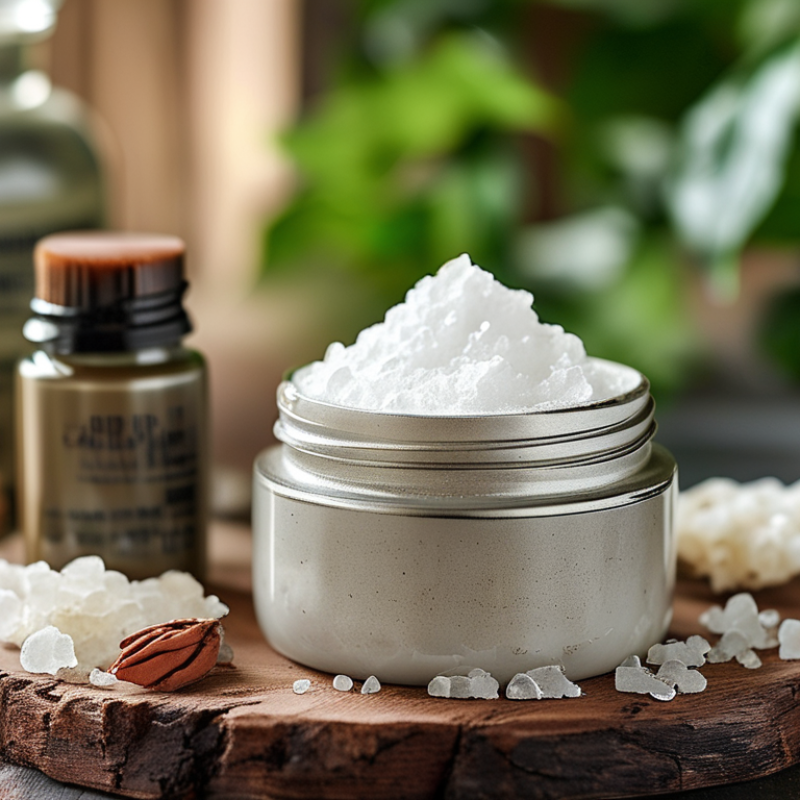
Beta arbutin is a water-soluble skin-brightening ingredient derived from hydroquinone’s natural glycoside form.
It helps reduce the appearance of uneven pigmentation by slowing tyrosinase activity. This process may support a more balanced skin tone over time. It does not bleach skin, and results are rarely immediate. The ingredient usually appears in serums, creams, masks, and professional formulations. Its low odor and good water compatibility make it convenient for laboratory blending. However, heat, light, and unsuitable pH conditions can reduce formulation stability.
Market reports show strong demand for functional skincare ingredients. Grand View Research projects continued growth in the global skincare products market through 2030, supported by rising interest in tone-correction products. Supplier quality still varies widely. A responsible beta arbutin powder supplier should provide identity testing, assay results, microbiological limits, heavy-metal data, and batch traceability. High purity alone is not enough. Packaging matters too. Opaque, moisture-resistant containers can help protect the powder during storage and transport. Some supplier documents remain incomplete, which deserves careful review.
Tips:
Request a recent certificate of analysis, not a generic template. Compare assay methods between suppliers. Confirm particle appearance, recommended storage, and retest dates. Ask for small samples before large orders. A simple stability trial can reveal problems that marketing sheets miss. Remember, “natural” sourcing does not automatically prove better performance. Formulation compatibility must be tested in the finished product, under real storage conditions.
Evaluating global beta arbutin powder suppliers requires more than comparing prices. A polished website can still hide weak batch control. Ask for a recent certificate of analysis, not a generic template. Check the testing date, batch number, assay method, and laboratory identity. High-performance liquid chromatography results should match the supplied lot.
Purity matters, but it is only one part of quality. Review residual solvents, heavy metals, moisture, microbial limits, and optical appearance. Beta arbutin powder should arrive in sealed, light-resistant packaging with clear storage instructions. A small sample can reveal clumping, unusual odor, or poor dispersibility. Do not rely on one test alone.
Reliable suppliers can explain their manufacturing controls, raw material traceability, and change-notification process. Request production records or third-party audit evidence when available. Regulatory documents should match the destination market and the intended cosmetic use. Claims must remain accurate; “natural” or “premium” proves little without supporting records. Shipping conditions also deserve attention, especially across humid regions.
Communication is an overlooked test. Does the supplier answer technical questions precisely? Do documents arrive consistently? Slow replies are not always disqualifying, but vague answers create risk. I would compare at least three batches before making a long-term decision. That may feel excessive. It is not. Supplier evaluation is never perfect, and even experienced buyers can miss a packaging weakness or an unreported process change. Keep written records, review performance regularly, and treat every new batch as evidence rather than assumption.
Top 10 Beta Arbutin Powder Suppliers Worldwide
Finding the top 10 beta arbutin powder suppliers worldwide requires more than comparing prices. Reliable suppliers provide clear batch documents, consistent purity, and traceable raw material origins. A practical review should examine HPLC results, residual solvent data, heavy metal limits, microbiological testing, and storage conditions. Certificates alone are not enough. The testing laboratory and batch number also matter.
The strongest suppliers usually support cosmetic manufacturers with GMP-based production, stable packaging, and realistic lead times. They should offer sealed foil bags, moisture protection, and sample quantities for evaluation. Clear answers about minimum order quantities are useful. So are responsive technical teams. Some suppliers focus on large industrial orders, while others serve smaller formulation laboratories. Both can belong in a global top-ten comparison, depending on the buyer’s needs.
No ranking is perfect. A supplier may show excellent purity but provide weak after-sales support. Another may offer fast delivery but limited documentation. I would request a recent certificate of analysis, an SDS, specification sheet, origin statement, and one physical sample before approval. Check the powder’s color, odor, solubility, and particle texture during testing. Small differences can affect a finished formula. Price is important, but it should not replace verification. Even experienced buyers can overlook changing production sites or outdated certificates. That part deserves a second look.
Beta-Arbutin molecular composition reference for supplier identity and specification checks
The chart uses the verified molecular formula of beta-arbutin, C12H16O7, and its molecular weight of approximately 272.25 g/mol. Carbon, hydrogen, and oxygen mass contributions are calculated from standard atomic weights. These reference values can support supplier quality reviews without displaying company or brand data.
Top 10 Beta Arbutin Powder Suppliers Worldwide: A Practical Comparison
Comparing ten global beta arbutin powder suppliers requires more than checking purity claims. A reliable supplier should provide a recent COA, HPLC assay results, microbial limits, heavy metal data, and batch traceability. Look for documented quality systems, such as ISO 9001 or GMP, when appropriate. Certification alone is not proof of consistent performance. Verify the issuing body and certificate scope.
Pricing usually changes with purity, order quantity, packaging, shipping terms, and production location. Ask for prices at several volumes, such as one kilogram, 25 kilograms, and 100 kilograms. Capacity also needs evidence. Request typical lead times, monthly output ranges, sample availability, and backup production plans. A supplier offering very low pricing may have unclear testing or unstable supply. That concern is easy to miss.
Tips: Compare like with like. Check assay methods, not only percentages. Request a retained sample and inspect its color, odor, solubility, and packaging condition. Confirm whether the quoted price includes delivery, documents, and export handling. I would also ask for two recent batch records, because one excellent sample cannot prove long-term consistency. Some buyers overlook communication quality, yet slow answers often create costly delays later. Supplier comparisons are imperfect, especially when capacity figures are self-reported.
| Rank | Supplier Profile | Primary Region | Typical Purity | Product Grade | Common Certifications or Compliance Documents | Indicative Price (USD/kg) | Estimated Annual Capacity | Typical MOQ | Standard Lead Time | Common Packaging | Quality-Control Documentation |
|---|---|---|---|---|---|---|---|---|---|---|---|
| 1 | Supplier Profile 01 | East Asia | ≥99.0% | Cosmetic grade; powder | ISO 9001 GMP statement available | US$85–125 | 50–100 metric tons/year | 25 kg | 2–4 weeks | 25 kg fiber drum with double PE liner | COA, SDS, assay, loss on drying, heavy metals, microbiology |
| 2 | Supplier Profile 02 | South Asia | ≥98.0% | Cosmetic grade; powder | ISO 9001 Halal and non-animal testing statements may be available | US$78–115 | 30–70 metric tons/year | 25 kg | 3–6 weeks | 25 kg HDPE drum or fiber drum | COA, SDS, HPLC chromatogram, microbial limits, traceability statement |
| 3 | Supplier Profile 03 | East Asia | ≥99.0% | Cosmetic and personal-care grade | ISO 9001 GMP-aligned manufacturing controls | US$90–135 | 20–50 metric tons/year | 10–25 kg | 3–5 weeks | 10 kg or 25 kg sealed fiber drum | COA, SDS, HPLC purity profile, particle-size data, allergen statement |
| 4 | Supplier Profile 04 | Europe | ≥99.0% | High-purity cosmetic active | ISO 9001 REACH and EU cosmetic compliance support | US$125–190 | 10–30 metric tons/year | 5–10 kg | 4–8 weeks | 5 kg or 10 kg pharmaceutical-style container | COA, SDS, specification sheet, impurity profile, regulatory dossier support |
| 5 | Supplier Profile 05 | East Asia | ≥99.0% | Cosmetic grade; low-moisture powder | ISO 9001 GMP certificate or audit package subject to request | US$88–130 | 40–80 metric tons/year | 25 kg | 2–5 weeks | 25 kg fiber drum with tamper-evident seal | COA, SDS, assay, moisture, residual solvents, heavy metals, microbiology |
| 6 | Supplier Profile 06 | North America | ≥98.0% | Cosmetic ingredient; distribution stock | ISO 9001 US cosmetic regulatory documentation support | US$145–220 | 5–20 metric tons/year | 1–5 kg | 1–3 weeks from stock | 1 kg, 5 kg, or 25 kg sealed container | COA, SDS, country of origin, allergen statement, batch traceability |
| 7 | Supplier Profile 07 | Southeast Asia | ≥98.0% | Cosmetic grade; bulk supply | ISO 9001 Halal documentation may be available | US$82–120 | 20–60 metric tons/year | 25 kg | 3–6 weeks | 25 kg fiber drum or lined carton | COA, SDS, HPLC assay, microbiology, heavy metals, stability information |
| 8 | Supplier Profile 08 | East Asia | ≥99.0% | High-purity cosmetic and R&D grade | ISO 9001 GMP and non-GMO statements subject to batch review | US$100–155 | 15–40 metric tons/year | 5–25 kg | 3–6 weeks | 5 kg or 25 kg fiber drum with PE liner | COA, SDS, HPLC chromatogram, particle-size distribution, impurity profile |
| 9 | Supplier Profile 09 | Europe | ≥98.0% | Cosmetic grade; specialty distribution | ISO 9001 EU cosmetic and REACH support | US$135–205 | 5–15 metric tons/year | 1–10 kg | 2–6 weeks | 1 kg or 10 kg moisture-protective container | COA, SDS, regulatory statement, batch traceability, storage guidance |
| 10 | Supplier Profile 10 | South Asia | ≥99.0% | Cosmetic grade; export-oriented supply | ISO 9001 GMP, Halal, or Kosher documents may be available by site | US$80–125 | 25–60 metric tons/year | 25 kg | 3–7 weeks | 25 kg fiber drum with inner PE bags | COA, SDS, assay, moisture, heavy metals, microbiology, origin statement |
Note: The supplier profiles are anonymized. Price, capacity, MOQ, and lead-time figures are indicative market benchmarks for beta arbutin powder and may vary by purity, order volume, Incoterms, packaging, testing requirements, and destination. Certifications and regulatory documents should be verified directly for the specific manufacturing site and batch before purchase.
Choosing a reliable beta arbutin powder supplier requires more than comparing prices. A polished website proves little. Request a current certificate of analysis for every batch. Check assay, moisture, residue, and heavy metal results. Independent laboratory reports add useful confidence.
Look for suppliers with documented GMP or ISO-based quality systems. Their production records should support clear batch traceability. Ask how they control storage temperature, humidity, and light exposure. Beta arbutin powder needs suitable packaging, often sealed and moisture-resistant. A small sample can reveal color, flow, odor, and dissolution behavior.
Communication also matters. Reliable suppliers answer technical questions with specific documents, not vague promises. Confirm minimum order quantities, lead times, retest dates, and shipment conditions before signing anything. Ask whether the material is intended for cosmetic formulation and whether supporting regulatory documents are available for your market. Requirements differ between regions.
I once focused too heavily on unit price. That was a mistake. A cheaper powder may create extra testing, delays, or unstable batches. Still, no supplier is perfect. Review their corrective-action process and complaint response time. Compare at least three qualified suppliers using the same checklist. Supplier rankings can guide research, but recent test data should guide the final decision.