Building a successful private label skin care business requires a blend of strategy and creativity. Renowned skincare expert Dr. Sarah Thompson once said, "The secret to a brand’s success lies in understanding its customer." This wisdom highlights the key element—your target market.
In the competitive landscape of private label skin care, knowing your audience is critical. Many entrepreneurs overlook this fundamental aspect. They rush to create products without proper research. This oversight can lead to a disconnect between what they offer and what consumers truly want. It's important to listen and adapt, instead of simply pushing products.
The journey of starting a private label skin care line is filled with challenges. The road can be tough and riddled with potential pitfalls. Some may not realize the significance of quality ingredients. Others may underestimate the value of branding. Reflecting on these points can illuminate the path toward success, and help you make more informed decisions.
Identifying your niche in the private label skincare market is critical. Recent reports indicate that the global skincare market is forecasted to reach $189.3 billion by 2025, driven largely by consumer demand for customized solutions. This opens opportunities for startups. However, competition is fierce. Knowing your target audience can set you apart.
Research is essential. Survey potential customers and analyze trends. A 2022 study found that 67% of consumers prefer brands that understand their specific skincare needs. This insight can improve your product formulation. Explore various demographics. For instance, younger consumers often seek eco-friendly ingredients, while older individuals may prioritize anti-aging solutions.
Reflection is crucial as well. It’s not enough to understand the market; you must also evaluate your unique approach. Many new brands struggle to define their values and messaging. This lack of clarity can lead to mismatched expectations and disillusioned customers. Balance creativity with market research to create products that resonate with your audience.
This chart illustrates the distribution of market share among popular private label skin care product categories. Understanding these categories can help identify lucrative niches for a successful private label skin care business.
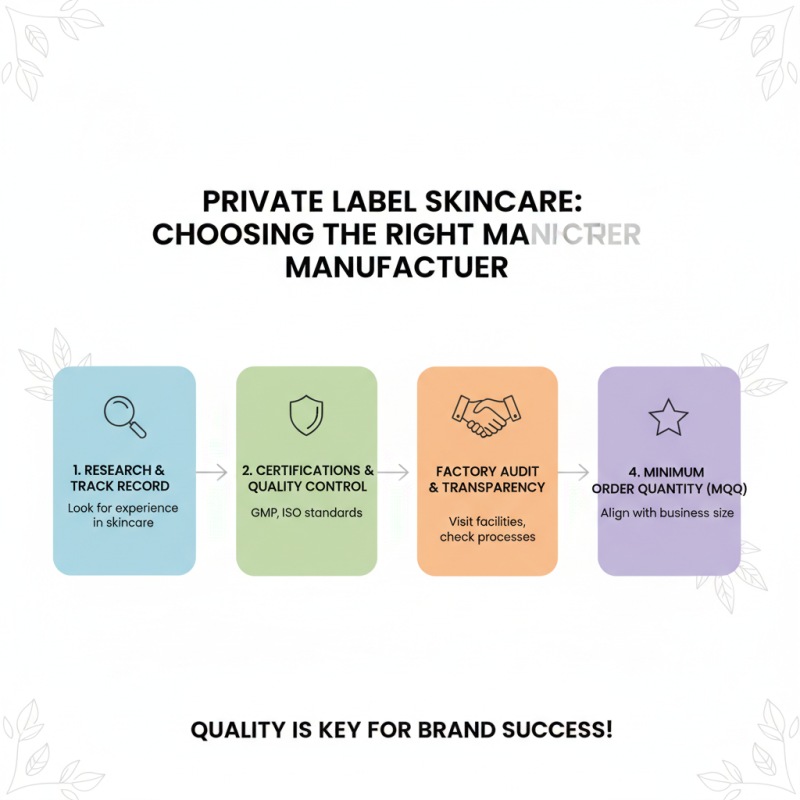
Choosing the right manufacturer is crucial for a successful private label skin care business. Quality control can make or break your brand. Start by researching potential manufacturers thoroughly. Look for those with a proven track record in producing skin care products. Check their certifications and quality assurance processes. This step helps to avoid unpleasant surprises later.
Collaboration is essential in this process. Communicate clearly about your vision and values. You want a partner who shares your commitment to quality. Be prepared for challenges. Misunderstandings can occur, especially if expectations are not aligned. Don't hesitate to ask for samples. Testing products is a necessary step in ensuring they meet your standards.
Building a relationship takes time and effort. Regular feedback is important. Sometimes, product iterations may not meet your expectations. Having open discussions can refine the partnership. Don’t overlook the impact of your manufacturer on your brand's reputation. A reliable partner can enhance your market presence and customer trust. Focus on creating a collaborative atmosphere that encourages improvement and innovation.
When developing a strong brand identity for your private label skin care business, packaging plays a crucial role. Unique packaging can attract attention and create a memorable experience. Consider using eco-friendly materials. This choice reflects your brand’s values and appeals to conscious consumers. However, balancing aesthetics with functionality is often challenging. Test different designs. Gather feedback, and iterate based on consumer preferences.
Marketing strategies should align with your brand identity. Utilize social media platforms to engage your target audience. Share behind-the-scenes content and customer testimonials. Visual storytelling can effectively convey your brand message. It’s important to maintain consistency across all channels. A cohesive appearance fosters trust but can feel rigid at times. Be open to evolving your style based on market trends.
Don’t overlook the power of education in your marketing efforts. Provide valuable content about skin care tips and ingredients. Educating your audience builds authority and loyalty. Use blog posts or videos. This approach invites interaction and can drive organic growth. Remember, your brand identity is a living entity. It requires nurturing and sometimes tough decisions as you learn and adapt.
| Tip | Description | Strategy |
|---|---|---|
| 1. Market Research | Identify target audience and market trends. | Surveys and focus groups. |
| 2. Unique Value Proposition | Define what makes your products unique. | Highlight unique ingredients or benefits. |
| 3. Brand Identity | Create a memorable brand image. | Consistent logos, colors, and messaging. |
| 4. Quality Ingredients | Use high-quality and safe ingredients. | Sourcing from reputable suppliers. |
| 5. Eco-Friendly Packaging | Utilize sustainable packaging solutions. | Biodegradable or recyclable materials. |
| 6. Effective Marketing Channels | Choose the right platforms to reach your audience. | Social media, influencers, and blogs. |
| 7. Customer Engagement | Build a community around your brand. | Interactive content and feedback loops. |
| 8. Compliant Formulations | Ensure products meet regulatory standards. | Thorough testing and documentation. |
| 9. Consistent Branding | Maintain consistency across all customer touchpoints. | Unified visuals and messaging. |
| 10. Performance Analytics | Analyze sales data and customer feedback. | Tools like Google Analytics and customer surveys. |
Navigating legalities in the skin care industry is crucial for success. Compliance with regulations can be daunting. According to a report from the FDA, over 40% of skin care companies experience regulatory challenges. This can include everything from ingredient disclosure to labeling requirements.
Understanding the regulations is vital. For instance, the FDA mandates that all cosmetic products are safe for consumers. If a product contains harmful components, it can lead to costly recalls. Industry data shows that recalls can average around $5 million in expenses. This reality pushes many entrepreneurs to tread cautiously but also ignites a fear of falling behind the competition.
Formulating products requires due diligence. Ingredients must be well-researched. Inaccurate labeling can have repercussions. Nearly 30% of consumers reported distrust due to unclear ingredient lists. Building transparency is essential. Establishing trust takes time, but businesses often rush their processes, leading to compliance mistakes. Balancing innovation with safety can be a slippery slope. Businesses must be prepared for ongoing learning as regulations frequently evolve.
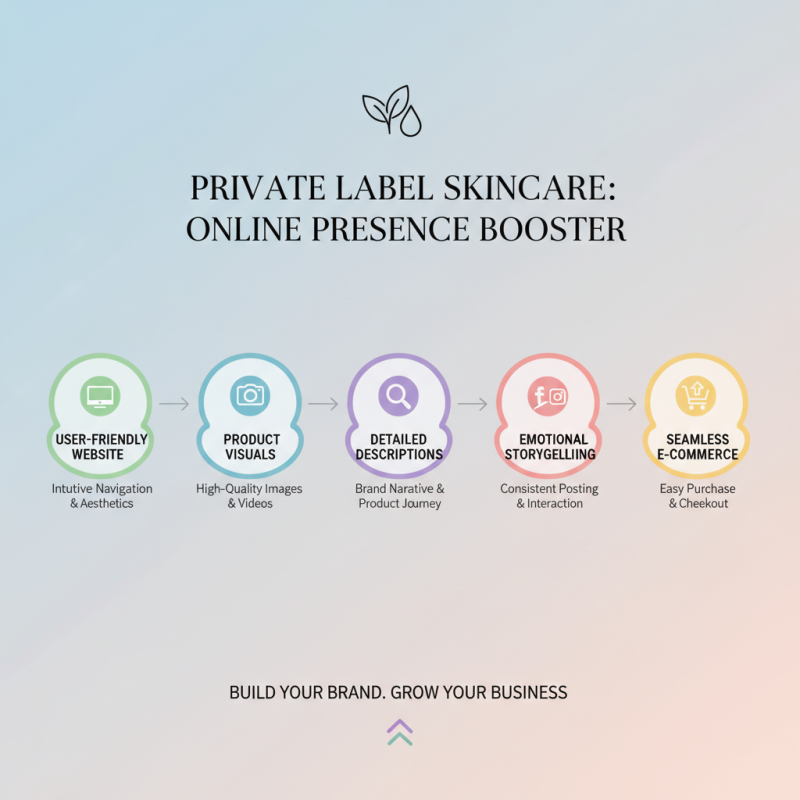
Building an online presence for your private label skin care business is crucial. Start by creating a user-friendly website. It should be visually appealing and easy to navigate. Use high-quality images that showcase your products. Include detailed descriptions to provide potential customers with all the necessary information. Weaving storytelling into these descriptions can help customers connect emotionally with the products.
Social media platforms are also essential for visibility. Utilize Instagram and Facebook to engage with your audience. Share skin care tips, behind-the-scenes content, and customer testimonials. These strategies can foster a sense of community. However, not every post will resonate. Don’t be discouraged by low engagement on some posts. Analyze what works and refine your content accordingly.
Email marketing can help maintain customer relationships. Create a newsletter that offers exclusive deals and personalized recommendations. This way, you remind customers of your presence in their inbox. Building an online presence is an ongoing process. It requires patience, creativity, and a willingness to adapt. Embrace the learning curve that comes with it.