How to Start Your Own Private Label Skin Care Line Successfully
Starting your own private label skin care line can be an exciting venture, offering aspiring entrepreneurs a unique opportunity to tap into the booming beauty industry. With an increasing number of consumers seeking personalized skincare solutions that cater to their specific needs, the demand for private label skin care products has seen remarkable growth. This trend presents a golden chance for you to create a brand that resonates with your audience while ensuring quality and uniqueness in your offerings.
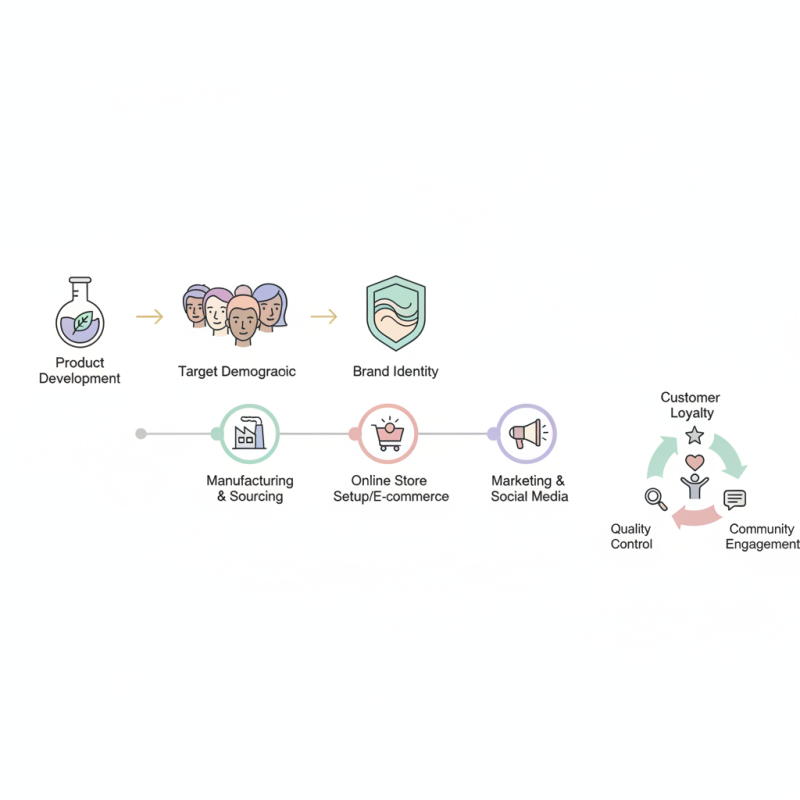
To embark on this journey successfully, it's crucial to understand the intricacies of the private label skin care market. This includes knowing what products to offer, identifying your target demographic, and establishing a compelling brand identity that stands out in a crowded marketplace. By leveraging the right strategies and resources, you can not only create effective and desirable products but also build a loyal customer base that values your brand's commitment to quality and efficacy. In this guide, we will explore the essential steps needed to launch a successful private label skin care line and how to navigate potential challenges along the way.
Researching the Private Label Skin Care Market and Trends
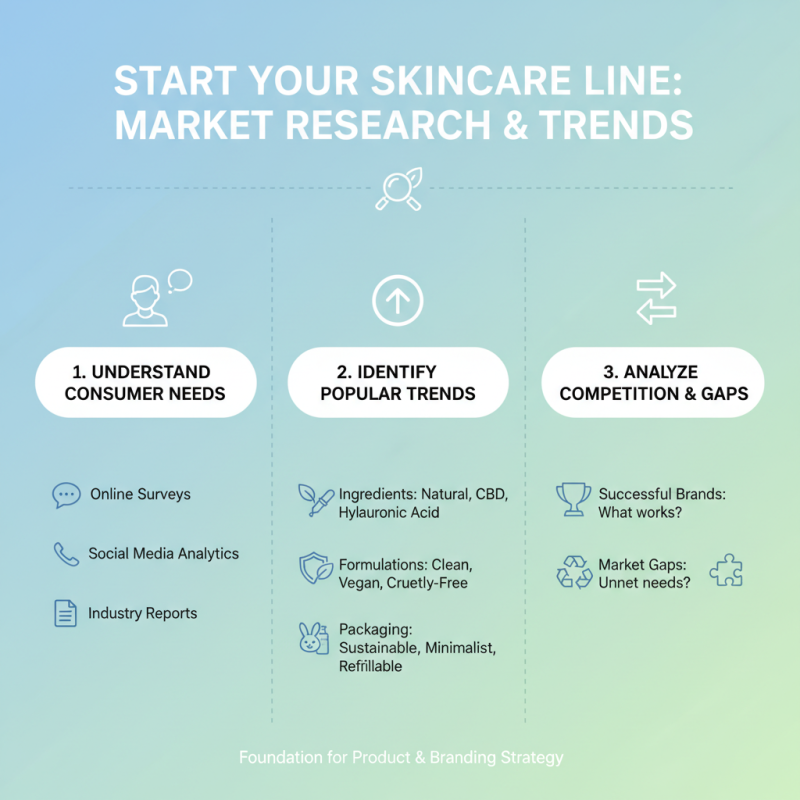
When embarking on the journey of starting your own private label skin care line, understanding market dynamics and current trends is essential. Begin by conducting thorough research to identify consumer needs and preferences within the skin care sector. Utilize online surveys, social media analytics, and industry reports to gather insights on popular ingredients, formulations, and packaging styles that resonate with your target audience. Analyze the competitive landscape to determine what successful brands are doing right and where gaps in the market exist. This information will serve as a foundation for your product development and branding strategy.
Equally important is staying updated on emerging trends that can impact your private label skin care line. For instance, the increasing demand for natural and organic ingredients signifies a shift towards cleaner beauty products. Additionally, eco-friendly packaging is gaining traction as consumers become more environmentally conscious. Understanding these trends not only helps in product formulation but also positions your brand to appeal to a wider audience. By aligning your offerings with current demands and future trends, you can enhance your chances of establishing a successful private label skin care line that stands out in a competitive marketplace.
Choosing the Right Manufacturer for Your Skin Care Products
Choosing the right manufacturer for your skin care products is a critical step in establishing a successful private label skin care line. The right partner can influence not only the quality of your products but also your brand's reputation and customer satisfaction. Begin by researching manufacturers that specialize in skin care and have a proven track record in the industry. It's essential to assess their certifications, production capabilities, and whether they adhere to relevant quality standards, such as Good Manufacturing Practices (GMP). A manufacturer with a solid reputation for quality control will help ensure that your products meet consumer expectations.
Once you've narrowed down potential manufacturers, consider the range of services they offer. Some may provide additional support in areas such as product development, formulation, and packaging design, which can be invaluable for a new brand. Pay attention to their willingness to collaborate and communicate openly, as a good partnership will be built on trust and transparency. Furthermore, don’t hesitate to request samples of their previous work, and check references from other brands they've worked with. This due diligence will empower you to make an informed decision and choose a manufacturer that aligns with your vision for your skin care line.
Developing Unique Formulations and Designing Your Brand Identity
Creating a unique brand identity is crucial in the skincare industry, where differentiation is key to success. Start by defining the core values and mission of your private label skincare line. Consider what you want to convey to your target audience—this foundation will guide your branding decisions. Think about your brand story, the inspiration behind your product line, and how you want customers to perceive your offerings. This narrative should resonate with your potential consumers and evoke an emotional connection, making your brand memorable.
Next, focus on designing visual elements that reflect your brand identity. This includes selecting a color palette, typography, and logo that encapsulate the essence of your skincare line. Consistency is vital; your packaging, website, and promotional materials should all align with your established branding. Consider the sensory aspects as well—how the texture, scent, and overall experience of using your product can reinforce your identity. Collaborate with designers or marketing professionals who understand the skincare market to ensure that your visual identity stands out while attracting your intended demographic. Through careful consideration of both narrative and design, you can create a cohesive brand that not only appeals to consumers but also fosters loyalty and trust.
Creating a Marketing Strategy for Your Private Label Line
Creating a solid marketing strategy is crucial when launching your own private label skin care line. The first step is to identify your target audience. Understanding who your customers are will allow you to tailor your marketing messages and product offerings to meet their specific needs and preferences. Conducting market research can help in identifying demographic factors such as age, gender, and lifestyle, which will also assist in uncovering trending skin care concerns within your target market.
Once you have a clear understanding of your audience, it’s essential to establish a unique value proposition that distinguishes your brand from the competition. Consider what makes your products special—be it the ingredients, the formulation process, or the brand story. Your marketing materials should effectively communicate this uniqueness, emphasizing how your product can solve specific skin care issues for your audience. Utilizing various channels, including social media, influencer partnerships, and email marketing, can create broader brand awareness and engage potential customers directly. Consistency in messaging and aesthetic across all platforms will reinforce your brand identity and foster customer loyalty.
How to Start Your Own Private Label Skin Care Line Successfully - Creating a Marketing Strategy for Your Private Label Line
| Dimension |
Details |
| Target Market |
Women aged 25-45, interested in natural products |
| Product Types |
Moisturizers, Serums, Cleansers |
| Brand Values |
Sustainability, Cruelty-free, Organic Ingredients |
| Marketing Channels |
Social Media, Influencer Partnerships, Email Marketing |
| Launch Timeline |
6 months from concept to product launch |
| Budget Estimate |
$10,000 - $50,000 |
| Key Performance Indicators (KPIs) |
Sales Growth, Customer Acquisition Cost, Return on Investment |
Navigating Regulatory Compliance and Product Safety Standards
Navigating the regulatory compliance and product safety standards is crucial when starting your own private label skin care line. The beauty industry is highly regulated, and understanding these requirements can save you time, money, and potential legal issues. This means familiarizing yourself with local and international regulations that pertain to cosmetic products. You'll need to ensure that your products meet safety standards, are properly labeled, and are free from harmful ingredients. Conducting a thorough risk assessment for each product is imperative to ensure consumer safety and compliance.
Tips: Implement a robust product testing process to identify any potential allergens or irritants. Collaborate with reputable laboratories to conduct stability and safety testing, which not only ensures compliance but can also enhance your brand's credibility. Additionally, maintain meticulous records of your formulations and testing outcomes to streamline any future regulatory inspections.
Moreover, staying updated with changes in cosmetic regulations is essential. Regulatory bodies often revise guidelines, and being proactive about these changes can prevent costly revisions later. Subscribe to industry newsletters or join professional organizations to remain informed.
Tips: Create a compliance checklist based on relevant regulations and assign team members to monitor adherence throughout the product development process. This approach fosters a culture of compliance within your business, ensuring that safety and regulations are always prioritized.