How to Start Your Own Private Label Beauty Products Business Successfully
Starting your own private label beauty products business can be an exciting venture, especially in a market that continues to grow and evolve. With consumers increasingly seeking high-quality, personalized beauty solutions, the demand for private label beauty products has surged. As industry expert Dr. Sophia Williams, a renowned consultant in the beauty sector, states, "Private label beauty products offer an incredible opportunity for entrepreneurs to create unique offerings that resonate with specific customer needs."
To successfully launch a private label beauty brand, understanding the complexities of product development, sourcing, and market positioning is essential. Aspiring entrepreneurs need to focus on quality, branding, and effective marketing strategies that can set them apart in a competitive landscape. The key lies in identifying gaps in the market and leveraging them to create products that not only meet but exceed customer expectations.
In this guide, we will explore the critical steps to building a successful private label beauty products business, ensuring that you are well-equipped to navigate this thriving industry and realize your entrepreneurial dreams. From product selection to branding, every aspect is crucial in crafting a memorable brand that speaks to your target audience and captures their loyalty.
Understanding Private Label Beauty Products and Their Market Potential
Private label beauty products offer an exciting opportunity for entrepreneurs looking to enter the cosmetics and skincare market. These products are manufactured by one company but sold under another company’s brand name, allowing businesses to create their unique identity while benefiting from established supply chains. Understanding the essentials of private labeling is crucial, as it allows for customization in terms of formulation, packaging, and branding, thereby appealing directly to the target audience's preferences and demands.
The market potential for private label beauty products has been steadily increasing, driven by consumer trends favoring personalized and niche offerings. With the rise of e-commerce and social media, brands have the ability to reach specific demographics more effectively than ever. Consumers are seeking unique solutions that resonate with their values, such as cruelty-free, vegan, or sustainable products. This shift presents a significant advantage for new businesses that can tap into these evolving consumer preferences. By leveraging market research and staying attuned to consumer needs, entrepreneurs can position themselves competitively in the beauty industry.
Identifying Your Niche: Researching Trends and Customer Preferences
Identifying your niche is a crucial first step in establishing a successful private label beauty products business. Researching current trends and understanding customer preferences will not only help you define your unique selling proposition but also guide your product development. According to a 2022 report by Grand View Research, the global cosmetics market is expected to reach $463.5 billion by 2027, growing at a CAGR of 4.75%. This growth is largely driven by a shift towards organic and cruelty-free products, with consumers increasingly prioritizing natural ingredients that align with their values.
To effectively identify your niche, utilize tools such as Google Trends and social media analytics to track emerging beauty trends and consumer sentiments. Additionally, platforms like Statista provide insights into consumer purchasing behaviors, indicating a rise in demand for specific segments like skincare and clean beauty. A survey conducted by NPD Group highlights that 62% of consumers are interested in brands that personalize their products. This indicates an opportunity for businesses that can cater to unique skincare needs or preferences, thereby enhancing customer loyalty and increasing market share. By focusing on these insights, you can create a tailored product line that resonates with your target audience, ensuring a strong entry into the competitive beauty market.
Sourcing Suppliers and Manufacturers for Your Product Line
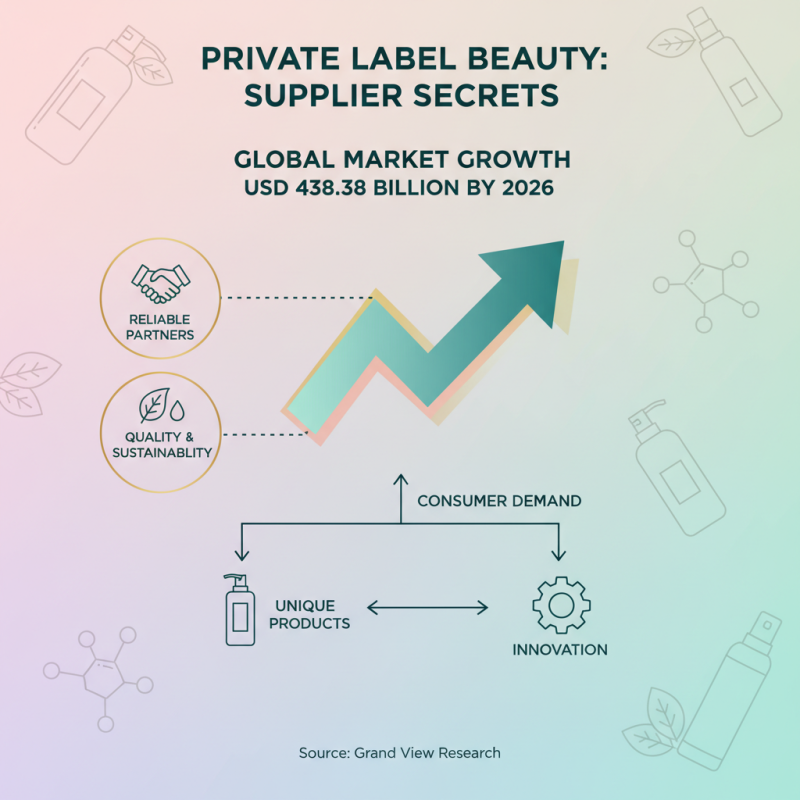
When embarking on the journey of starting your own private label beauty products business, one of the most critical components is identifying reliable suppliers and manufacturers. According to a report from Grand View Research, the global private label cosmetics market is expected to reach USD 438.38 billion by 2026, reflecting a rising demand for unique, consumer-driven products. To capitalize on this growth, it is essential to cultivate relationships with suppliers who not only understand the market but also offer quality ingredients and sustainable practices.
Sourcing suppliers requires diligent research and vetting of potential partners. Organizations like the Private Label Manufacturers Association suggest attending trade shows and industry expos to meet manufacturers firsthand and assess their capabilities. Additionally, platforms such as Alibaba and Global Sources can be valuable for connecting with suppliers worldwide. However, it is crucial to ensure these manufacturers adhere to quality and safety standards, as the beauty industry is highly regulated. Consider conducting background checks, requesting product samples, and reviewing certifications to ensure your chosen supplier aligns with your brand's values and quality expectations. This thorough approach will lay a solid foundation for creating a successful and reputable private label beauty product line.
Creating a Distinct Brand Identity and Packaging for Your Products
Creating a distinct brand identity and packaging for your private label beauty products is crucial for standing out in a competitive market. According to a report from Statista, the global beauty and personal care market is projected to reach approximately $716 billion by 2025, a clear indication that consumers are continuously seeking innovative and personalized products. To capture their attention, your brand identity must resonate with your target audience. This includes choosing a unique name, logo, and design elements that reflect your brand's values and appeal to consumers’ desires. Research shows that 60% of consumers are more likely to purchase a product if they identify with the brand image, making it essential to invest time and resources into establishing a strong brand persona.
Packaging plays an equally vital role in the success of your beauty products. Packaging is not simply a protective shell; it serves as a powerful marketing tool that communicates your brand's story. A Consumer Packaging Association study revealed that 70% of consumers form an opinion about a product based on its packaging alone. This highlights the importance of designing eye-catching, functional, and sustainable packaging that aligns with current trends, such as eco-friendliness and minimalism. In addition, clear labeling and informative designs can enhance user experience and build trust with consumers. Remember, well-designed packaging can prompt repeat purchases and foster customer loyalty, making it a key component of your business strategy for the private label beauty product arena.
Developing a Marketing Strategy to Launch and Promote Your Line
Developing a marketing strategy for your private label beauty products is a pivotal step in ensuring a successful launch. Start by conducting thorough market research to identify your target audience and understand their preferences. Know what products they are currently using, their buying habits, and the trends shaping the beauty industry. This information will inform product development and help position your line effectively within the market.
Once you have a clear understanding of your audience, craft a unique selling proposition (USP) that highlights what makes your products stand out. This could be anything from clean ingredients, eco-friendly packaging, or innovative formulations.
Leverage social media platforms to create buzz around your brand; visually appealing content can attract potential customers and encourage engagement. Collaborating with influencers in the beauty community can also amplify your reach and lend credibility to your brand.
Lastly, develop a comprehensive online and offline marketing campaign that includes email newsletters, promotions, and participation in beauty trade shows. Building an attractive and user-friendly website that showcases your products and allows for easy purchases is crucial. By implementing a well-thought-out marketing strategy, you can effectively launch and promote your private label beauty products, ensuring they make a meaningful impact in a competitive market.