How to Start a Successful Private Label Skin Care Brand?
Starting a successful private label skin care brand is an exciting journey. According to industry expert Sofia Chen, "It’s about creating a story that resonates." Many entrepreneurs underestimate the importance of storytelling in building their brand.
In the realm of private label skin care, every detail matters. The right packaging can attract customers. However, sourcing high-quality ingredients is equally crucial. Too many brands overlook this critical point. Quality should never be compromised for cost. It is essential to find reliable suppliers who share your brand vision.
Market trends also play a significant role. Failing to keep up can make or break your brand. Rather than just imitating successful products, consider the unique needs of your audience. This can lead to innovative creations. The path to success in the private label skin care industry is filled with challenges. Embrace them and learn along the way.
Identify Your Target Market for Private Label Skin Care Products
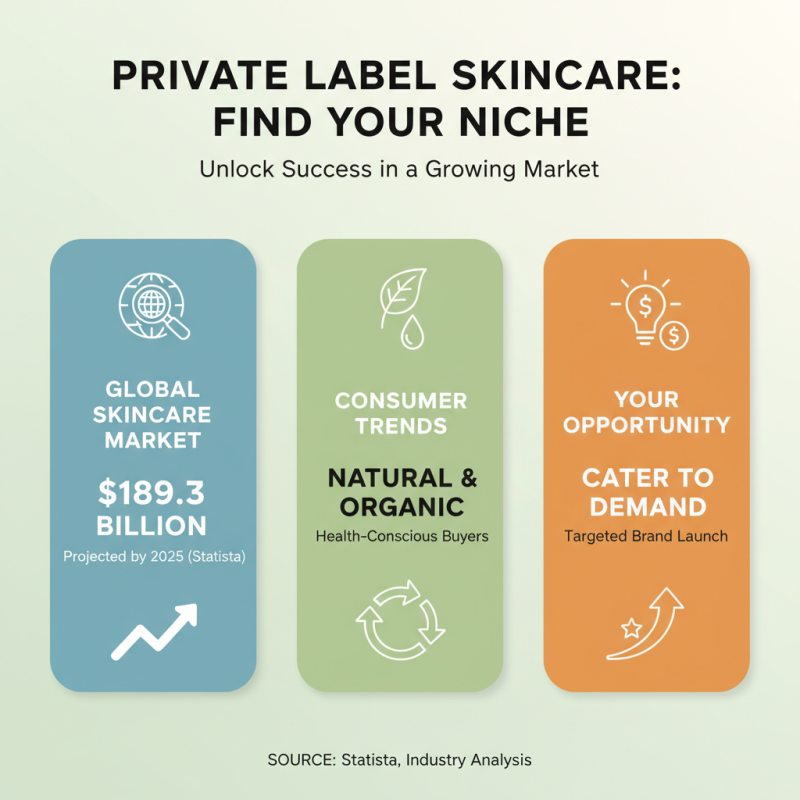
When launching a private label skin care brand, identifying your target market is crucial. According to Statista, the global skin care market is projected to reach $189.3 billion by 2025. Consumers are showing a growing preference for natural and organic products. This trend offers an opportunity for brands that cater to health-conscious buyers.
Consider developing buyer personas. Craft profiles based on demographics, skin types, and preferences. For instance, women aged 25-34 often seek anti-aging solutions. Alternatively, men may prefer multi-functional products. Insights from Mintel indicate that 64% of consumers are loyal to brands that meet their specific needs. Targeting your market effectively can lead to higher customer retention.
Tips: Engage with potential customers through surveys. Ask about their skin care routines and pain points. This direct feedback can guide product development, ensuring your offerings resonate. Monitor competitors to spot gaps in the market. Look for trends in social media discussions or consumer reviews. This can reveal unmet demands and valuable insights.
Focus on the details. Packaging matters, as 72% of consumers say it influences their purchase decisions. A luxurious feel can set your product apart. While it's easy to chase trends, be wary. Following fads without ground research could lead to wasted resources. Reflect regularly on audience engagement. Stay adaptable to changes in preferences.
Research and Select High-Quality Manufacturers for Your Brand
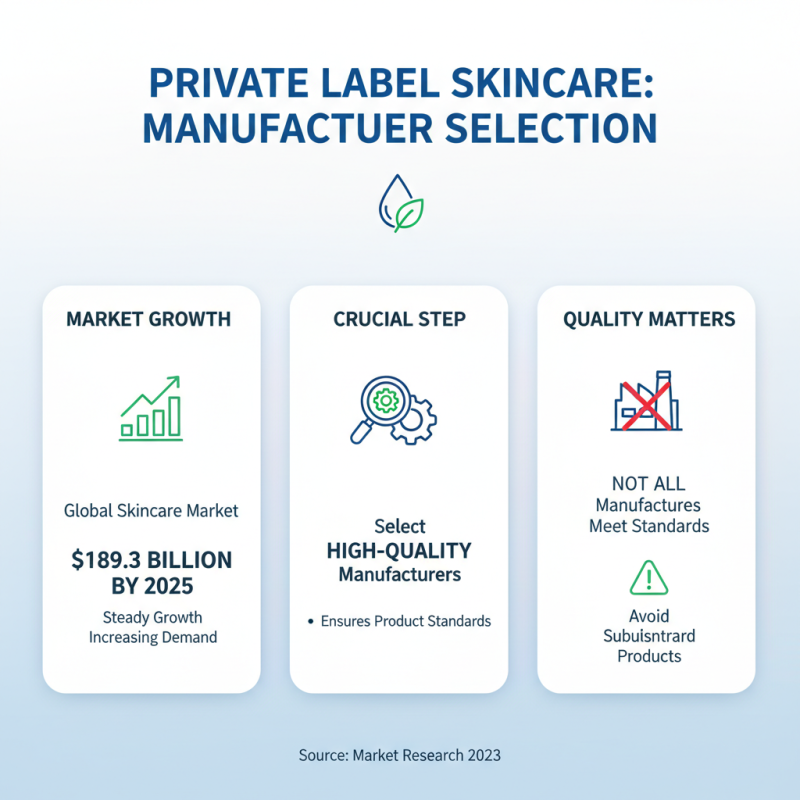
When starting a private label skin care brand, one crucial step is selecting high-quality manufacturers. According to market research, the global skin care market is expected to reach $189.3 billion by 2025, growing at a steady pace. This trend highlights the increasing demand for quality products. However, not all manufacturers meet the necessary standards.
Look for manufacturers with a proven track record in the skin care industry. Analyze their certifications, production processes, and ingredient sourcing. Many manufacturers boast certifications such as GMP (Good Manufacturing Practices) and ISO (International Organization for Standardization). But, even these can vary in effectiveness. For instance, a factory may have GMP certification but still lack rigorous quality control measures.
Do not just rely on product samples. Dive deeper into their ethical practices and sustainability. A 2021 report identified that 72% of consumers prefer brands that are environmentally conscious. Your choice of manufacturer can significantly impact your brand’s image. If you overlook these details, your brand may suffer in a competitive market, creating challenges to establish trust with customers.
Develop a Unique Brand Identity and Product Packaging Strategy
Creating a distinctive brand identity is crucial in the competitive skin care industry. Over 70% of consumers make purchase decisions based on brand recognition. This highlights the importance of a strong visual identity. Your logo, color palette, and overall aesthetic should reflect your brand's values and target audience. Aim to create an emotional connection through storytelling. A well-defined brand narrative can enhance customer loyalty and drive sales.
In terms of packaging, consider the growing trend toward sustainable materials. Reports show that 60% of consumers prefer eco-friendly packaging. Using biodegradable or recyclable materials can attract a conscious customer base. However, remember that functionality is key. Customers need packaging that is easy to use, while also being visually appealing. Don’t overlook the importance of practicality in your designs.
It's vital to test your packaging with real users. What looks good in concept may not resonate in reality. This step can reveal gaps in usability or appeal. Market feedback is invaluable. Be open to adjustments based on customer insights. Balancing aesthetics with functionality can be challenging, yet it’s a necessary step to build a successful private label skin care brand.
How to Start a Successful Private Label Skin Care Brand? - Develop a Unique Brand Identity and Product Packaging Strategy
| Category |
Strategy |
Details |
| Brand Identity |
Define Core Values |
Establish what your brand stands for and convey it through your messaging. |
| Brand Identity |
Design Logo |
Create a memorable logo that represents your brand visually. |
| Product Packaging |
Select Materials |
Choose sustainable and high-quality materials for your packaging. |
| Product Packaging |
Design Aesthetic |
Create packaging that is visually appealing and reflects your brand ethos. |
| Target Audience |
Market Research |
Identify your target market and understand their needs and preferences. |
| Marketing Strategy |
Social Media Engagement |
Leverage platforms like Instagram and Facebook for brand visibility. |
| Marketing Strategy |
Influencer Collaborations |
Partner with influencers to reach a wider audience. |
Create an Effective Marketing Plan to Promote Your Skin Care Line
Creating an effective marketing plan for a private label skin care brand hinges on understanding your target market.
According to a report by Statista, the global skin care market is projected to reach $189.3 billion by 2025. This presents a lucrative opportunity for new brands. Start by identifying the demographics, preferences, and pain points of your potential customers. Use surveys and social media insights to gather data.
Next, focus on building a strong online presence. About 71% of consumers prefer to purchase products via social media platforms. Utilize Instagram and TikTok for engaging content that resonates with users. Product storytelling can make a significant impact. Share your brand’s journey and the benefits of your ingredients. Keep in mind that not every campaign will yield immediate results. It is crucial to analyze engagement metrics and refine your approach based on performance.
Investing in search engine optimization (SEO) can enhance your visibility. Research shows that organic traffic can lead to higher conversion rates. However, many brands neglect this critical aspect. If your website isn't optimized, you're missing opportunities. Test different keywords and analyze the results. Understand that perfection is a process. Continuous adjustment is key to meeting your audience's needs and achieving long-term success.
Establish Sales Channels and Distribution Strategies for Product Launch
When launching a private label skin care brand, establishing effective sales channels is crucial. Online marketplaces are a great starting point. They provide immediate access to a wide audience. Focus on platforms that align with your brand image. Create an attractive product listing. Use high-quality images and engaging descriptions. Ensure your pricing is competitive but also reflects your brand’s value.
Direct-to-consumer strategies can also be impactful. Building a user-friendly website is essential. Invest in SEO to attract organic traffic. Social media marketing can help foster a community. Share behind-the-scenes content to connect emotionally with potential customers. Consider email marketing to keep your audience engaged. However, keep in mind that building a following takes time and effort. Don't expect immediate results; success often requires years of persistence.
Distribution strategies should not be overlooked. Partner with retailers who cater to your target market. However, not all partnerships work out. Test different channels and assess their effectiveness. Some may not yield the expected returns. Always be ready to pivot your strategy. Gather feedback and make necessary adjustments. This kind of adaptability can lead to better overall performance.