What is Private Label Skin Care Products and Their Benefits?
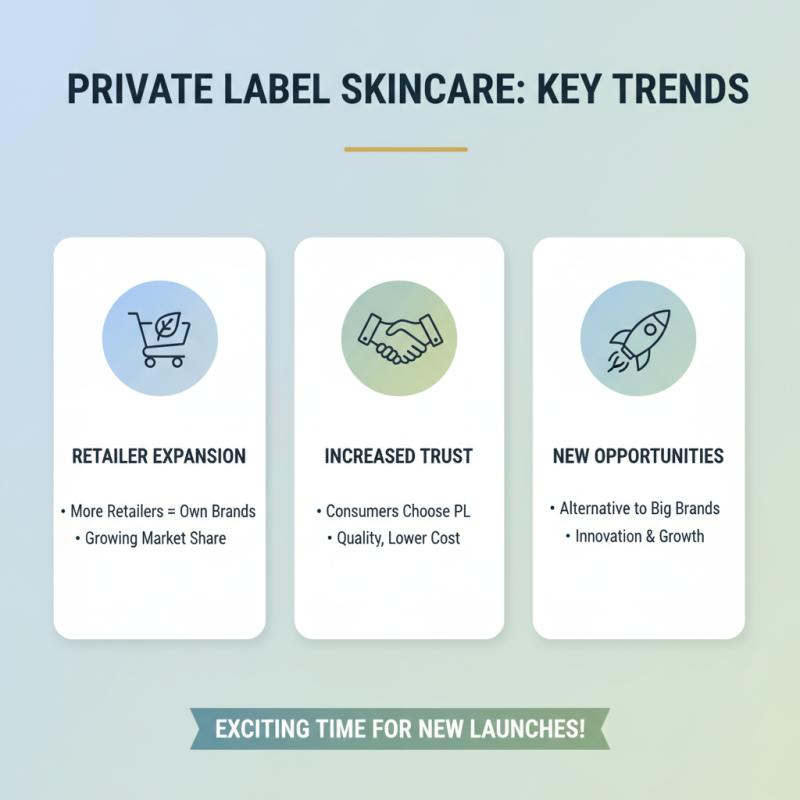
Private label skin care products have gained significant attention in recent years. More brands are exploring this option to offer unique formulas. These products are created by one company but sold under another brand's name. This allows for creative freedom and tailored solutions for consumers.
One of the main benefits of private label skin care products is the ability to control quality. Brands can select ingredients that match their values. However, not all private label products are of high quality. Some may cut corners for profit. It’s crucial for brands to do their research and choose reputable manufacturers.
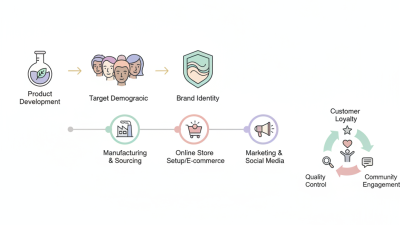
Furthermore, private label options can provide cost-effective solutions for startups. By avoiding the high costs of brand creation, companies can focus on marketing and customer engagement. Yet, without a solid branding strategy, some may struggle to stand out. In the crowded beauty market, finding the right niche is essential. Thus, exploring private label skin care products can be beneficial, but it also requires careful consideration and strategy.
Understanding Private Label Skin Care Products
Private label skin care products offer a unique opportunity for brands to meet specific consumer needs. These products are created by one company and sold under another’s branding. The global private label skincare market was valued at approximately $14 billion in 2021 and is expected to grow significantly. Many consumers are increasingly drawn to these products due to their affordability and perceived value.
The demand for private label skin care continues to rise, especially among millennials and Gen Z consumers. These groups often seek personalized and customized options that reflect their individual needs. According to a recent study, 62% of consumers expressed a preference for buying private label products because of their quality. However, not all private label products are created equal. Some lack transparency in ingredient sourcing and efficacy, leading to mixed consumer experiences.
Quality control remains a critical concern for both manufacturers and consumers. While many private label products aim to replicate high-end formulations, inconsistencies can arise in production. Reports indicate that over 30% of consumers have experienced dissatisfaction with private label skin care due to poor performance or adverse reactions. Brands must address these issues to enhance consumer trust and satisfaction in the private label segment.
Key Benefits of Private Label Skin Care for Consumers
Private label skin care products have gained popularity among consumers due to their unique advantages. Many people today are seeking personalized options in their skin care routines. Research indicates that more than 50% of consumers prefer products that align with their individual needs and preferences. Private label brands often allow for this customization, making it easier for users to find formulations tailored to their specific skin types.
One significant benefit of private label skin care is affordability. These products typically come at lower prices compared to branded items. A recent market analysis revealed that private label products can be 20-30% cheaper than their branded counterparts. This price difference makes high-quality skin care accessible to a broader audience. However, it’s essential to remain cautious. Not all private label products guarantee the same level of quality or effectiveness. Consumers should evaluate ingredients carefully and conduct patch tests to avoid adverse reactions.
Furthermore, private label skin care allows consumers to discover new and innovative options. Many of these products are developed with the latest scientific advances in skin care. While this can be beneficial, some formulations may lack transparency in their ingredient sourcing. This can lead to uncertainty about product safety and efficacy. It’s crucial for consumers to educate themselves and seek out reputable sources of information when choosing private label options.
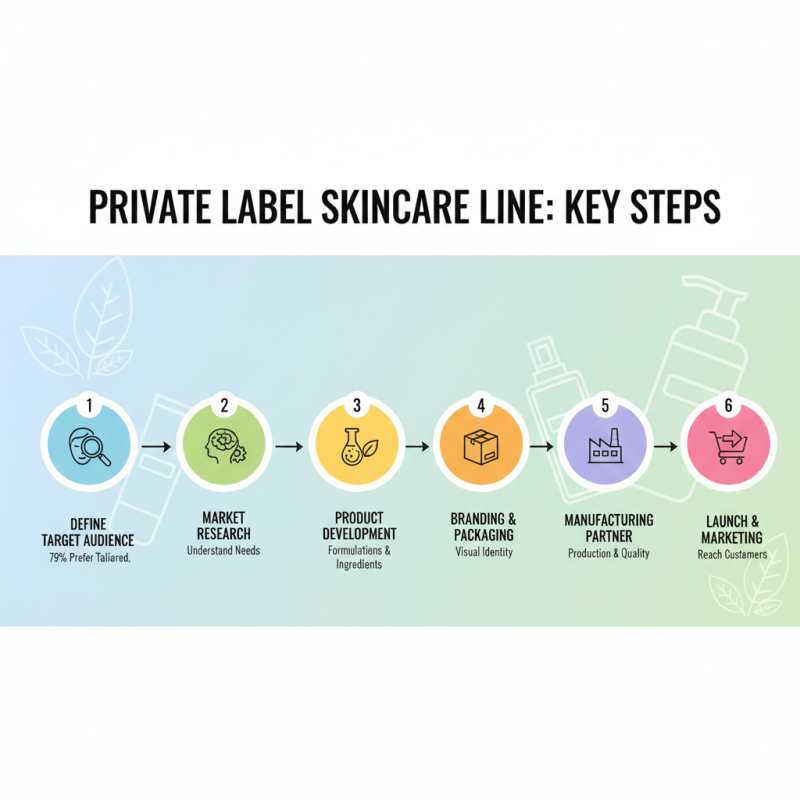
Choosing the Right Manufacturer for Private Label Skin Care Products
Choosing the right manufacturer for private label skin care products is crucial. The global private label skin care market is projected to grow at a CAGR of 5.5% from 2021 to 2028. This surge reflects consumer demand for unique, effective products. Manufacturers play a key role in this equation. They influence product quality, formulation, and packaging.
When selecting a manufacturer, consider their experience and reputation. A knowledgeable partner can guide you through trend analysis and ingredient sourcing. Look for manufacturers with GMP certification. This ensures compliance with industry standards. A good manufacturer should provide transparency during the production process. Communication is vital to avoid misunderstandings.
Tip: Invest time in researching potential manufacturers. Ask for samples of their products. Evaluate the quality closely. Don't rush to choose a partner. Rushed decisions can lead to costly mistakes. Also, consider ordering small batches initially. This allows testing in the market without large upfront costs.
Ultimately, diligence in selecting your manufacturer can set your private label brand apart. Quality products foster customer loyalty. A strong partnership can elevate your brand in this competitive market.
What is Private Label Skin Care Products and Their Benefits? - Choosing the Right Manufacturer for Private Label Skin Care Products
| Attribute |
Description |
Benefit |
| Product Customization |
Ability to create unique formulations that reflect the brand's identity. |
Enhances brand recognition and loyalty among customers. |
| Quality Control |
Manufacturers often have stringent quality assurance processes. |
Ensures high-quality products that satisfy consumers. |
| Cost Efficiency |
Reduction in marketing and formulation costs through partnerships. |
Increases profit margins for retailers. |
| Time to Market |
Established manufacturers have faster production times. |
Allows brands to respond quickly to market trends. |
| Brand Exclusivity |
Products can be made exclusively for a brand. |
Differentiates the brand from competitors in the marketplace. |