What is a Private Label Manufacturer and How Can It Benefit Your Business
In today's competitive marketplace, businesses are increasingly turning to private label manufacturers as a viable strategy for differentiation and cost-effectiveness. According to the Global Retail Private Label Market Report by Market Research Future, the private label market is projected to reach a staggering USD 220 billion by 2025, facilitated by changing consumer preferences and the growing demand for customized products. This shift in consumer behavior emphasizes not only the significance but also the potential of collaboration with private label manufacturers for businesses seeking to capitalize on these trends.
Expert insights underline the importance of this manufacturing model. As James Perkins, a leading expert in the private label sector, states, "Partnering with private label manufacturers allows brands to streamline their product offerings while maintaining quality and control over their brand identity." This statement reflects the dual advantage of working with private label manufacturers: enhanced product variability and the opportunity for businesses to focus on their core competencies without compromising on quality.
Navigating the landscape of private label manufacturing presents businesses with a unique opportunity to elevate their market presence. By leveraging the expertise of private label manufacturers, companies can access innovative production techniques, create tailored offerings, and ultimately increase their profit margins, all while responding effectively to evolving consumer demands. This strategic collaboration is essential for businesses aiming to thrive in an ever-changing retail environment.

What Is a Private Label Manufacturer?
A private label manufacturer is a company that produces goods for other businesses under the latter's brand name. This allows retailers and distributors to offer products that they can market as their own, enabling them to maintain a unique identity in a competitive marketplace. Typically, these manufacturers specialize in certain types of products, ranging from food and beverages to cosmetics and household goods, providing a wide array of options for businesses looking to expand their product lines without the need for extensive research and development.
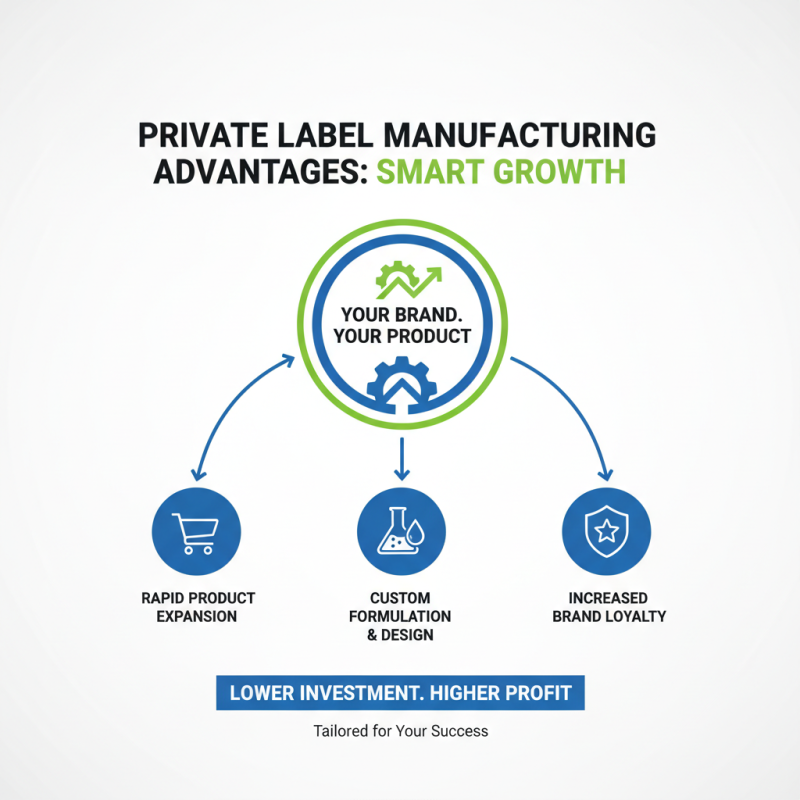
Working with a private label manufacturer offers several advantages. For businesses, it reduces the need for investment in manufacturing infrastructure, thereby lowering overall operational costs. Companies can capitalize on the existing expertise and facilities of the manufacturer, allowing them to focus on branding, marketing, and sales strategies. Moreover, private labeling grants businesses the flexibility to modify product specifications, helping them tailor offerings to meet specific consumer preferences and market demands. This strategic approach can lead to enhanced customer loyalty, as businesses can create a personalized shopping experience for their clientele.
Key Features of Private Label Manufacturing Services
Private label manufacturing services offer numerous advantages for businesses looking to expand their product lines without heavy investments in manufacturing. One of the key features of these services is the ability to customize products according to specific brand requirements. This means you can tailor the packaging, formulation, and design to align perfectly with your marketing strategy, increasing brand recognition and customer loyalty.
Another critical component of private label manufacturing is the scalability it offers. Whether you are a small startup or a well-established company, these manufacturers can adapt to your production needs. They have the resources and expertise to increase output as your demand grows, allowing you to stay agile in a competitive market.
**Tips:** When choosing a private label manufacturer, ensure they prioritize quality control to maintain high standards for your products. Additionally, consider their experience in the market and their ability to offer flexible terms that support your business goals. Open communication with the manufacturer can also lead to innovative ideas that enhance your product offerings.
Advantages of Partnering with a Private Label Manufacturer
Partnering with a private label manufacturer offers significant advantages for businesses looking to enhance their product offerings without the overhead of traditional manufacturing. One of the primary benefits is the ability to create unique products tailored to a specific market segment. By working with a private label manufacturer, companies can customize formulations, packaging, and branding, allowing them to differentiate themselves in a competitive landscape. This level of personalization not only helps in building brand loyalty but also addresses unmet consumer needs more effectively.
Moreover, leveraging a private label manufacturer can lead to cost and time efficiencies. Businesses can save on substantial upfront investment costs associated with setting up their own production facilities. Instead, they can utilize the existing resources, expertise, and supply chain networks of the manufacturer, which can lead to quicker time-to-market for new products. This synergistic relationship can also enable companies to scale their operations more flexibly, responding to market demands without the burden of maintaining extensive infrastructure. Overall, partnering with a private label manufacturer can be a strategic move for businesses aiming to enhance their market reach and operational efficiency.
Steps to Choose the Right Private Label Manufacturer for Your Needs
When selecting a private label manufacturer, the first step is to clearly define your product needs and goals. Assessing your market demands and identifying the type of products you wish to sell will help narrow down potential manufacturers. For instance, consider whether you need a manufacturer with expertise in skincare, food products, or clothing. Having a clear product vision will aid in evaluating manufacturers effectively.
Once you have outlined your requirements, research potential manufacturers thoroughly. Look for companies that specialize in your desired product category and have a proven track record of successful partnerships with brands similar to yours. Reviews, case studies, and testimonials from previous customers can provide valuable insights into the manufacturer’s reliability and quality. It’s also important to request samples to evaluate the quality of their products firsthand, ensuring they align with your brand standards.
Finally, establish open lines of communication with your potential manufacturer. Discuss your expectations regarding production timelines, minimum order quantities, and pricing structure. A transparent communication process is essential for building a trustworthy partnership. By taking these steps, you can choose a private label manufacturer that aligns with your business vision and contributes to your overall success.
What is a Private Label Manufacturer and How Can It Benefit Your Business
| Criteria |
Details |
| Definition |
A private label manufacturer produces products that are branded by another company. |
| Benefits |
Lower costs, brand control, unique products, increased margins. |
| Key Steps to Choose |
1. Define your product requirements
2. Research potential manufacturers
3. Evaluate their capabilities
4. Request samples
5. Negotiate terms and pricing |
| Important Considerations |
Quality assurance, production capacity, lead times, and customer service. |
| Common Industries |
Food & Beverage, Health & Beauty, Apparel, Home Goods. |
How Private Labeling Can Enhance Your Brand Strategy and Sales
Private labeling offers a unique opportunity for businesses to enhance their brand strategy and ultimately drive sales. By partnering with a private label manufacturer, businesses can create products that carry their own branding while leveraging the manufacturer's expertise and resources. This allows companies to offer high-quality products without the extensive costs and time involved in product development. Private labeling not only expands product offerings but also fosters brand loyalty, as customers become attached to a brand they recognize and trust.
Tips: When considering private labeling, research potential manufacturers to ensure they align with your brand values and quality standards. Establish clear communication channels to discuss product specifications and branding requirements, ensuring that the final output meets your expectations. Additionally, focus on marketing strategies that highlight the unique aspects of your private label products, such as superior ingredients or sustainable sourcing, to set your brand apart in a competitive marketplace.
Another significant benefit of private labeling is the flexibility it offers in terms of product range. Businesses can react swiftly to market trends by introducing new products under their brand without being limited by existing manufacturer lines. This agility allows for targeted marketing campaigns that address specific consumer needs or preferences.
Tips: Test market new private label products before a full-scale launch. Gather feedback from a select group of customers to fine-tune your offerings. Utilize social media platforms to create buzz and engage with your audience, incorporating their input into your branding and marketing strategies, which can lead to increased sales and customer satisfaction.
Impact of Private Label Products on Sales Growth