What is Private Label Makeup and How to Start Your Brand?
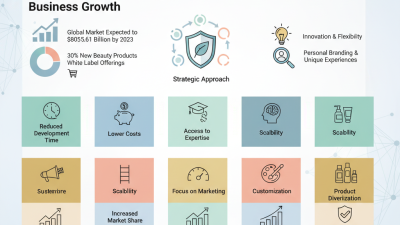
The beauty industry is evolving rapidly, with private label makeup gaining significant traction. According to a report by Grand View Research, the global private label cosmetics market is projected to reach $83 billion by 2025. This growth reflects a shift in consumer preferences towards brands that offer personalized and unique products.
Michael Johnson, a recognized expert in cosmetic branding, emphasized, “Private label makeup allows entrepreneurs to express creativity while meeting diverse consumer needs.” His insight highlights the dual opportunity of innovation and market demand. As aspiring beauty entrepreneurs look to enter this field, understanding the intricacies of private label makeup becomes crucial.
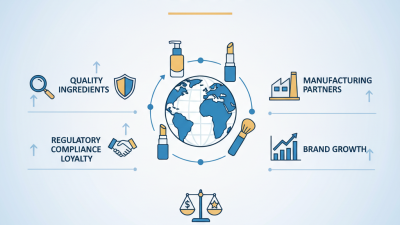
Despite its potential, starting a private label brand is not without challenges. Sourcing quality ingredients and finding reliable manufacturers can be daunting. Entrepreneurs must also consider regulations that vary by region. Balancing quality and cost is essential, and it's a learning curve for many.
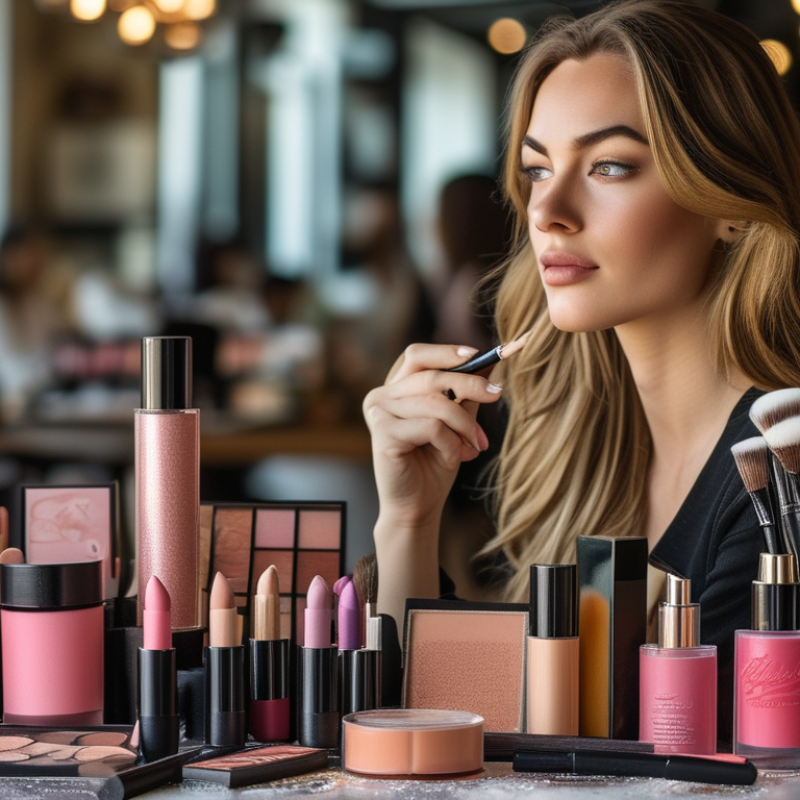
Understanding the Concept of Private Label Makeup
Private label makeup has gained popularity in recent years. This concept allows businesses to create their own branded products without manufacturing them. Instead, they partner with suppliers who produce the cosmetics. According to a report by Statista, the global cosmetics market is projected to reach $393.76 billion by 2024, indicating a growing opportunity for private label brands. This trend reflects a demand for unique and customizable beauty products.
To start your own private label makeup brand, research is essential. Understand your target audience and their preferences. Analyze competitors to identify gaps in the market. A good strategy is to focus on niche segments, such as vegan or cruelty-free cosmetics. This approach can lead to a loyal customer base.
Tips:
- Create a cohesive brand identity. Your packaging should reflect your brand values.
- Choose quality suppliers. This impacts the overall perception of your products.
- Test your products thoroughly before launch. Feedback is invaluable in this phase.
Remember, success may not happen overnight. It requires continuous improvement and adaptation to market trends. Embrace challenges, learn from mistakes, and refine your brand direction.
Benefits of Starting a Private Label Makeup Brand
Starting a private label makeup brand presents various benefits. Entrepreneurs can enjoy creative control over products. You decide on formulations, packaging, and branding. This personalization appeals to customers seeking unique items.
Another benefit is lower startup costs. By choosing a private label, you avoid hefty production expenses. This model allows you to focus on marketing and business growth. It lets you enter the market without massive investments upfront. Sales can be more profitable as you capture your audience's interest directly.
Tips for success: Always research your target market. Understand their needs and preferences. Build a strong online presence to connect with potential customers. Invest time in high-quality packaging. It reflects your brand's identity. Engaging with customers on social media fosters loyalty. Keep refining your products based on customer feedback. This encourages continuous improvement and meets evolving trends.
Steps to Research and Develop Your Makeup Line
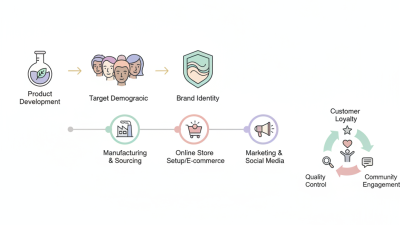
Starting your own private label makeup line can be exciting. It’s essential to conduct thorough research to ensure your products meet market needs. Begin by identifying your target audience. Understand their preferences and pain points. This knowledge will guide your product development.
Connecting with reliable suppliers is crucial. They'll impact your product quality and costs. Evaluate several options before committing. Ask for samples and check their track records. This process can be time-consuming but is necessary for success.
Tip: Create surveys or engage in social media polls. This feedback helps refine your ideas and can prevent potential missteps.
Next, focus on product formulation. Work with industry experts or reputable labs to develop your formulas. Don't rush this stage. Experimentation sometimes leads to unexpected but delightful results. Maintain transparency about ingredient sourcing to build trust with your customers.
Tip: Keep an eye on trends. Adaptation is key, but ensure your brand identity remains strong.
Lastly, consider packaging. It should reflect your brand's ethos while being functional. Test different designs. Feedback is valuable, even if it feels overwhelming. Remember, setbacks can provide the most valuable lessons in your entrepreneurial journey.
Navigating Manufacturing and Sourcing for Private Label Products
When starting a private label makeup brand, understanding manufacturing and sourcing is crucial. Choosing the right manufacturer can make or break your business. Look for companies that specialize in cosmetics and have a solid track record. Evaluate their certifications and production processes. This helps ensure quality and safety.
Sourcing ingredients is another vital step. Research the materials you want in your products. Ethical sourcing is increasingly important to consumers. Consider sustainable options that align with your brand values. It may take time to find the right balance between cost and quality.
Budgeting is often overlooked. Initial costs may be higher than expected, especially for small batches. Be prepared for unexpected expenses. Developing a prototype can also be challenging. It might take several iterations to achieve your desired result. These hurdles can be frustrating but are part of the learning process. Each setback offers a chance to refine your approach.
What is Private Label Makeup and How to Start Your Brand?
| Category |
Product Type |
Average Cost per Unit |
Minimum Order Quantity |
Lead Time (Weeks) |
| Foundation |
Liquid Foundation |
$5.00 |
500 |
4 |
| Eyes |
Eyeshadow Palette |
$15.00 |
300 |
6 |
| Lips |
Lipstick |
$3.00 |
1000 |
3 |
| Skin Care |
Moisturizer |
$8.00 |
500 |
5 |
| Nails |
Nail Polish |
$2.50 |
1000 |
4 |
Marketing Strategies for Your Private Label Makeup Brand
When launching a private label makeup brand, effective marketing strategies are crucial.
Consider your target audience carefully.
Define their preferences and interests. Understanding your consumer helps tailor your message.
Use social media platforms to reach them.
Instagram and TikTok are especially powerful for beauty products.
Create engaging content such as tutorials and user-generated posts.
Focus on building a strong brand identity. Your packaging and branding should resonate with your target market.
It’s an essential part of attracting buyers. Collaborate with influencers who align with your brand values.
Their endorsement can significantly elevate your visibility.
However, choose influencers wisely. Look for genuine engagement, not just follower count.
Lastly, be open to feedback and adapt your strategy.
Not every campaign will resonate as expected. Assess what works and what doesn’t.
Use analytics tools to track your performance.
This way, you can refine your approach to better meet consumer needs.
Building a successful brand requires constant evolution. Embrace the journey with all its challenges and victories.