Private Label Cosmetics Tips for Global Buyers How to Succeed?
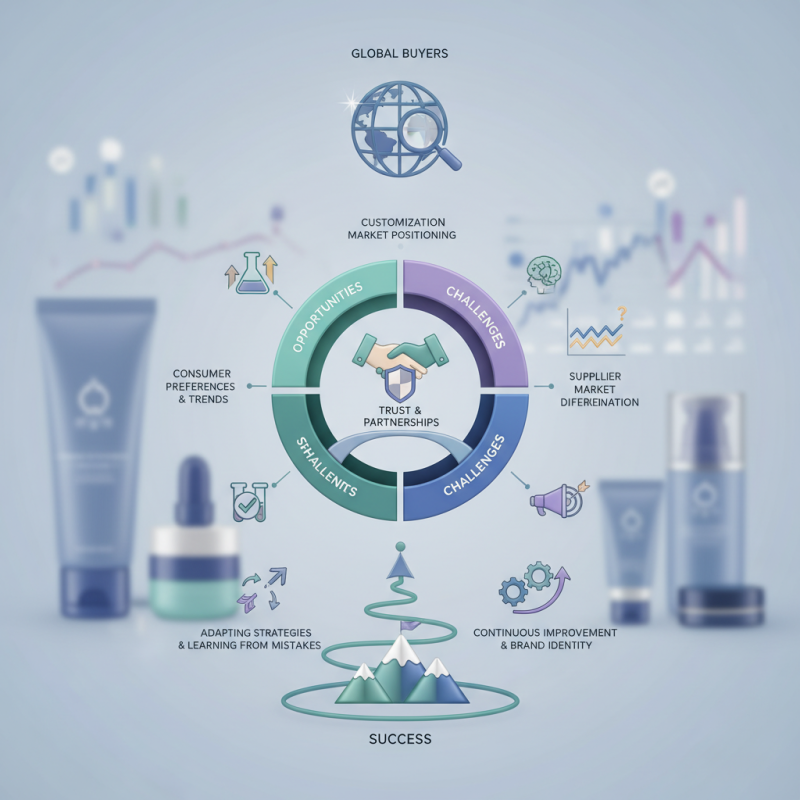
In the dynamic world of private label cosmetics, global buyers face both opportunities and challenges. Understanding the nuances of this industry is essential for success. Buyers must recognize that private label cosmetics allow for brand customization and unique market positioning. However, navigating supplier relationships can be complex. Trust is critical in choosing the right partners.
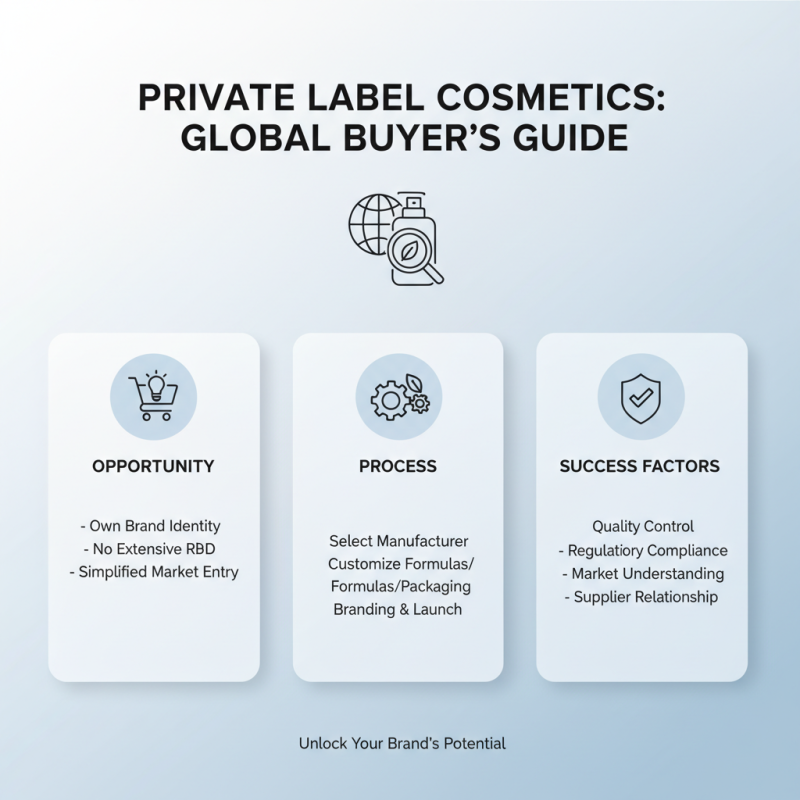
The effectiveness of private label cosmetics hinges on understanding consumer preferences and market trends. Buyers should also prioritize quality control to ensure that products meet safety standards. Brands that excel often invest time in product development and marketing strategies that resonate with their target audience.
Challenges arise, and not all strategies yield immediate results. Buyers may find it difficult to differentiate their offerings in a crowded market. Reflection on past mistakes and adapting strategies can lead to better outcomes. Successful brands learn from these experiences, gradually honing their identity in this competitive landscape.
Understanding Private Label Cosmetics: An Overview for Global Buyers
Private label cosmetics offer a unique opportunity for global buyers. They allow businesses to create their own brand identity without the need for extensive product development. This approach can simplify the entry into the competitive beauty market. However, understanding the nuances of private label cosmetics is crucial for success.
Choosing the right manufacturer is vital. A reliable partner ensures product quality and compliance with international standards. Buyers should conduct thorough research. Check industry certifications and reviews. Communicating openly with manufacturers about your vision is necessary. Misunderstandings can lead to unsatisfactory products. Testing samples before finalizing orders is essential.
Market research cannot be overlooked. Trends in cosmetics change rapidly. Buyers must stay informed on new ingredients, packaging innovations, and consumer preferences. Engaging with potential customers can provide invaluable insights. Learning from feedback is critical for adapting your products effectively. The path to success in private label cosmetics is not without challenges, but informed decisions can greatly enhance your chances.
Key Factors to Consider When Choosing a Private Label Partner
Choosing the right private label partner is crucial for success in the cosmetics industry. Global buyers should first assess the partner's experience in product formulation and market reach. According to industry reports, the global private label cosmetics market is expected to reach $25 billion by 2027. This growth emphasizes the importance of selecting a partner who understands market trends and consumer preferences.
Quality assurance is another vital factor. In 2022, over 40% of consumers indicated they prioritize ingredients and safety in their cosmetic purchases. Ensure that your partner conducts thorough testing and adheres to industry standards. Additionally, reviewing previous product lines can provide insights into their quality management practices.
Communication plays a key role. A partner who actively engages in dialogue can adapt to your brand's unique requirements more effectively. Yet, it's common for buyers to encounter difficulties in communication. Misunderstandings can lead to costly mistakes in product development. Regular check-ins and feedback loops can mitigate these issues and lead to better collaboration. Balancing expertise and transparency is essential in building a fruitful partnership.
Navigating Regulations and Compliance for Global Cosmetic Markets
Navigating the global cosmetic market requires a keen understanding of regulations and compliance. The beauty industry is projected to reach $800 billion by 2025, driven primarily by growing demand for personal care products. However, different regions enforce distinct regulations. For example, the European Union has strict cosmetic regulations to ensure consumer safety. Non-compliance can lead to significant penalties or product recalls.
To succeed, it’s essential to research specific regional compliance requirements. For instance, labels must include ingredient lists, warnings, and usage instructions in the local language. Regulatory bodies, like the FDA in the US, have specific guidelines that must be followed. Proper labeling not only fosters trust but also ensures compliance.
Tips for success include:
- Always stay updated on regulatory changes.
- Engage with local experts who can provide insights and advice.
- Consider conducting market research to understand consumer preferences and compliance challenges.
- Invest in quality assurance processes to ensure product safety and efficacy.
- Sometimes, this means reconsidering your supplier choices if their standards don't meet local requirements.
Balancing compliance with
innovation can be tough, but it is essential for long-term success in the
global market.
Strategies for Effective Branding and Marketing of Private Label Products
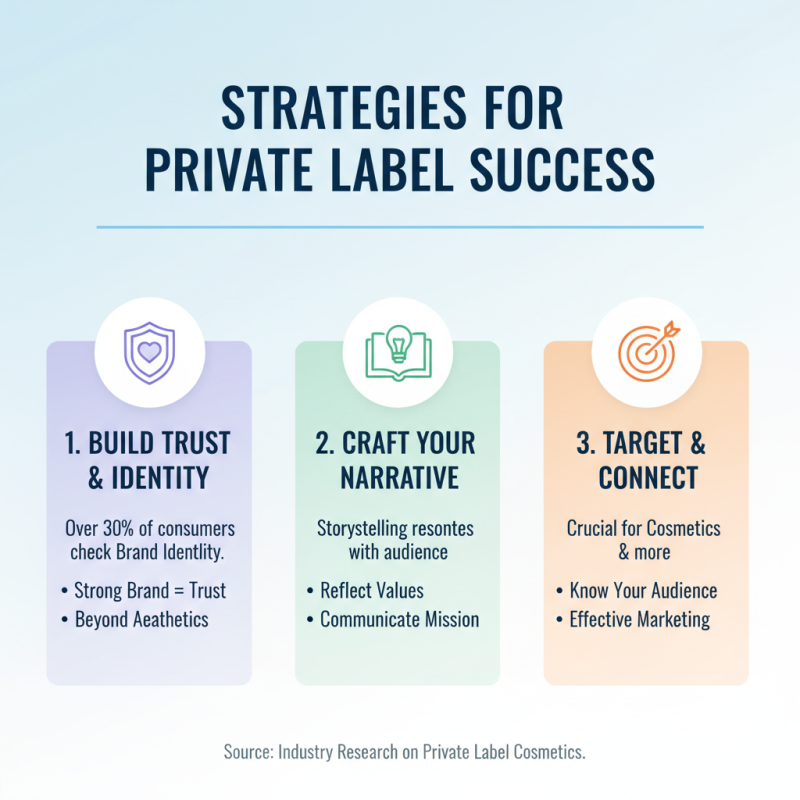
When venturing into private label cosmetics, branding and marketing are crucial. Research indicates that over 30% of consumers consider brand identity before making a purchase. A strong brand helps build trust. Effective branding goes beyond aesthetics. It's about crafting a narrative that resonates with your target audience. Your brand story should reflect your values and mission.
Utilizing social media is essential for effective marketing. As of 2023, 70% of consumers engage with brands on platforms like Instagram and TikTok. Visual content captures attention and enhances brand recall. Partnering with influencers can amplify your reach significantly. Data shows that influencer marketing can yield up to 11 times higher ROI. However, it's vital to select influencers whose audience aligns with your brand ethos.
Despite all efforts, challenges remain. The market is oversaturated, making differentiation a hurdle. Continuous consumer feedback is necessary for improvement. Regularly assessing your branding and marketing strategies can reveal gaps. Be prepared to pivot and adapt. This willingness to evolve can lead to sustainable growth in a competitive market.
Quality Control: Ensuring Consistency in Private Label Cosmetics
Quality control is a crucial aspect of private label cosmetics. Buyers must ensure consistency in products to build trust with consumers. This consistency extends from formulation to packaging. Using unreliable suppliers can lead to variations that damage a brand's reputation. It is essential to vet suppliers thoroughly. Look for those with a proven track record in quality assurance.
Regular audits and inspections are necessary for maintaining standards. Each batch should undergo testing for efficacy and safety. This process can be time-consuming but is vital for long-term success. Inconsistent quality can result in negative reviews and lost customers. Implementing a reliable feedback system can help identify issues early. Focus on gathering honest feedback from consumers to improve formulations.
Finding the right balance between quality and cost often presents challenges. Some suppliers may offer lower prices, but at what expense? Compromising quality for savings can backfire dramatically. Buyers should prioritize establishing relationships with reputable manufacturers. This approach not only ensures consistent quality but also fosters collaboration. Mutual growth is achievable when both parties share a commitment to excellence.