
How to Spot a Fake Bogg Bag Before You Buy?

Buying a colorful tote online can feel simple, but spotting a Fake Bogg Bag requires closer attention. Photos may hide weak stitching, uneven holes, or a logo that looks slightly too thin. These details become clearer when you examine the bag in person, especially around the handles, base, and snap buttons.

Kim Vaccarella, founder of Bogg Bag, described the original idea simply: “I wanted a bag that could handle real life.” That purpose offers a useful authenticity clue. A genuine Bogg Bag should feel sturdy, washable, and stable when placed on a flat surface. Its flexible body should not seem brittle or sharply chemical-smelling. The logo should appear clean, balanced, and consistently placed. Small imperfections can happen, though. That is where judgment becomes difficult.

This guide explains how to compare product photos, packaging, materials, and seller information before you buy. Look for clear close-ups, accurate size details, and a return policy that is easy to understand. Be cautious when listings use copied images or vague descriptions. A very low price is not proof of a Fake Bogg Bag, but it deserves questions. I have found that buyers often focus on color first and construction second. That habit can lead to missed warning signs. No single feature confirms authenticity. A careful review of several details gives you a stronger, more reliable decision.
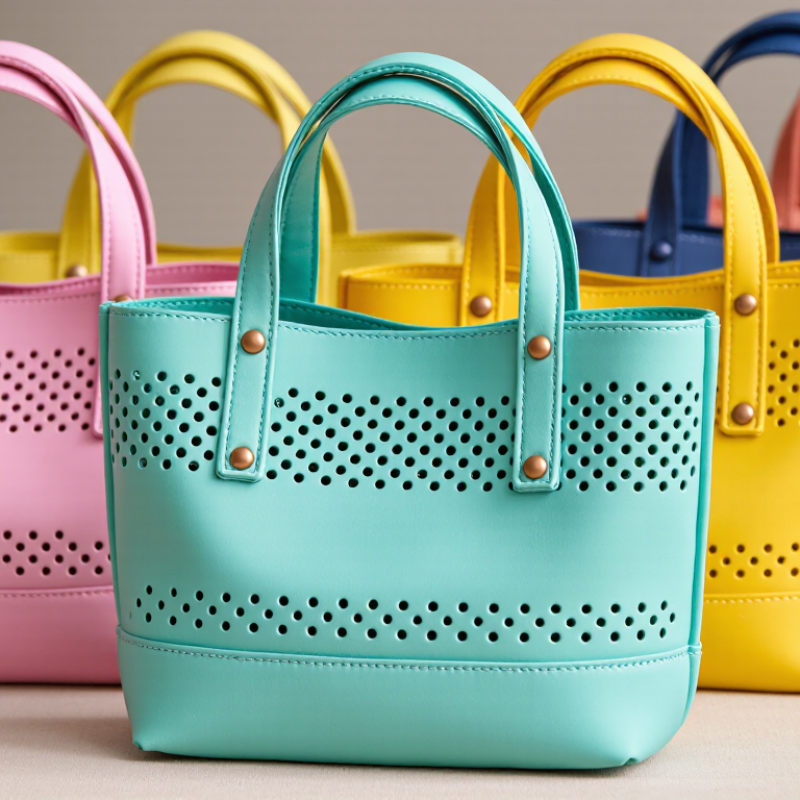
How to Spot a Fake Bogg Bag Before You Buy?

Check the Bogg Bag’s Materials, Shape, and Overall Construction

A genuine molded utility tote usually feels firm, lightweight, and slightly flexible. Its material should resist creasing, not feel brittle or sticky. Press the sidewall gently. It should spring back without leaving a deep mark. Inspect the surface closely for uneven color, rough edges, or strong chemical odors. These clues can suggest poor manufacturing, but one flaw alone does not prove a bag is fake.

Shape offers another useful check. Place the tote on a flat table and examine its base, sidewalls, and handle openings. The bottom should sit evenly, while both sides should look balanced. Handles should align naturally and remain attached without visible gaps. Compare the listed dimensions with the actual measurements. Small differences can occur during production. Large differences deserve attention.

Look inside the holes and around every molded connection. Authentic construction normally shows clean edges, consistent openings, and smooth transitions between panels. Loose fragments, thin corners, or sharp plastic-like seams may indicate an inferior copy. I once focused too heavily on color and missed a warped base. That mistake changed my inspection process. Packaging and photos can be copied easily; material behavior is harder to imitate. Ask for clear close-up images when details are hidden. A careful inspection is still not perfect, especially when lighting changes the surface appearance.

Examine the Logo, Branding, and Product Markings

A practical inspection starts with the logo. Compare the printed mark with clear images from the maker’s official website. Check its size, spacing, letter shapes, and position on the bag. Genuine printing usually looks sharp, even, and firmly attached. Blurred edges, uneven lettering, or a logo placed slightly off-center deserve attention. Small flaws can happen during production, though. One imperfect detail does not prove a product is fake.

Examine every product marking, including tags, care labels, molded symbols, and packaging details. The text should be readable, consistent, and free from careless spelling errors. Look for matching information across the bag, hangtag, and purchase listing. Conflicting colors, fonts, or product codes can signal a problem. A cheap-looking label is not enough evidence by itself. Some legitimate items may use different markings across production periods or regions. That is easy to overlook.

Use a close photograph and inspect the surface under bright, natural light. Raised lettering should have clean edges, not rough plastic ridges or shallow impressions. If a code appears, compare its format with verified product information rather than trusting the code alone. Sellers may provide convincing photos, so request additional images of the logo, interior label, and packaging. I would also keep the receipt and seller details. My judgment can be wrong, especially when older designs are involved. Reliable verification often requires comparing several details, not just one.

Verify the Zippers, Holes, Handles, and Included Accessories

A careful inspection can reveal a counterfeit carryall before payment. Start with the zippers. They should move smoothly, sit evenly, and close without catching. Examine the teeth for rough edges or mismatched metal tones. A zipper pull that feels unusually light may signal poor construction. Still, one imperfect pull is not absolute proof. Manufacturing flaws can happen.

Check every ventilation hole and drainage opening. Genuine production usually shows consistent spacing, clean edges, and matching shapes. Uneven holes, melted-looking plastic, or sharp rims deserve attention. Compare both sides under bright light. I once dismissed a small alignment error as harmless, and that judgment was too quick.

The handles should attach firmly without twisting or excessive movement. Look closely at the connection points, where weak molding often becomes visible. Flex them gently, but do not force the material. Then verify the included accessories against the seller’s written listing. Missing clips, inserts, or straps can indicate an incomplete package. Packaging alone proves little, because imitation packaging can look convincing. Keep photos of the item, labels, and accessories before purchase. Ask for close-up images when details remain unclear. A seller who avoids simple verification questions may not provide reliable evidence. Compare measurements, finish, and component placement with trusted product records, not memory alone.

How to Spot a Fake Utility Bag Before You Buy: Verify the Zippers, Holes, Handles, and Included Accessories

Use several checkpoints together rather than relying on one detail. Product variations can occur by production year, color, or market, so compare the item with official product information whenever possible.

Inspection Area What to Check More Credible Signs Potential Warning Signs Risk Level Recommended Action
Zippers Open and close every zipper several times. Inspect the teeth, slider, stitching, and alignment. Smooth movement, evenly spaced teeth, secure zipper tape, and stitching that follows a straight line. A rough or jammed slider, missing teeth, loose tape, crooked seams, or excessive plastic odor. Medium Request close-up photographs and avoid purchasing if the seller refuses a basic quality inspection.
Drainage Holes Count and examine the drainage openings on the base or lower sides of the bag. Openings are cleanly molded, evenly spaced, unobstructed, and integrated into the base without sharp excess material. Uneven hole placement, blocked openings, cracked plastic, rough edges, or visible mold marks around the holes. High Compare the hole pattern with clear images from an authorized product listing or the seller’s original receipt.
Handles Check handle attachment points, symmetry, flexibility, and the strength of the connecting material. Handles sit evenly, move consistently, and attach without gaps, stress whitening, or loose hardware. Different handle lengths, weak attachment points, visible glue, sharp edges, or handles that detach under light pressure. High Do not apply heavy force during testing. Ask for a clear image of both attachment points and the interior side.
Material and Finish Review the surface texture, color consistency, edges, and overall molding quality. Consistent color, smooth edges, stable structure, and no unexplained warping or surface defects. Patchy color, oily residue, severe warping, brittle plastic, sharp flashing, or a strong chemical smell that does not dissipate. Medium Treat finish defects as supporting evidence, not standalone proof. Compare multiple photos taken in natural light.
Included Accessories Verify the contents listed for the specific model, color, and purchase date. Accessories match the official product description and are consistent in material, color, labeling, and finish. Missing inserts, mismatched accessories, poor-quality attachments, incorrect packaging, or items not listed for that model. Medium Confirm whether the seller is offering a complete set or a bag-only listing before comparing contents.
Dimensions and Shape Measure length, width, height, and base shape with the bag empty and standing naturally. Measurements are close to the published specifications, allowing for small manual-measurement differences. Large unexplained differences, an incorrect base profile, or a structure that collapses when it should remain upright. Medium Allow for approximately 1–2 cm of measurement variation caused by manual measuring or compression during shipping.
Seller and Listing Review seller history, product photos, return terms, pricing, and payment protection. Original photos, a verifiable purchase record, a clear return policy, and payment through a protected checkout. Stock-only images, pressure to pay off-platform, an unusually low price, contradictory details, or no return option. High Use a payment method with buyer protection and keep screenshots of the listing, messages, and transaction details.
Final Verification Combine physical checks with documentation before completing the purchase. At least four key areas agree: construction, hardware, dimensions, accessories, and seller documentation. Several independent warning signs appear, or the seller cannot provide consistent evidence. High Pause the purchase and seek confirmation from the original retailer or the manufacturer’s official support channel.
Practical rule: A single cosmetic difference does not prove counterfeit status. Multiple inconsistencies involving construction, accessories, seller documentation, and payment terms are considerably more significant.

Compare the Bag With Official Colors, Sizes, and Design Features

How to Spot a Fake Bag Before You Buy?

Start with the official product page, not a seller’s edited photos. Record the listed color name, measurements, and product format. Compare these details carefully. A genuine color usually looks consistent across the bag, handles, and accessories. Counterfeits may appear too bright, grayish, or uneven under normal indoor light. Keep a screenshot for reference.

Measure the bag yourself. Use a ruler across the widest points, including the base and handles when specified.

A small difference can happen during manufacturing, but major gaps deserve attention. Check the shape, hole pattern, handle thickness, and bottom structure.

The holes should look evenly molded, with clean edges and consistent spacing. Weak plastic, sharp ridges, or a tilted base may suggest poor production quality.

Feel the weight, too. It should not seem unusually light or flimsy.

I once focused too much on color and missed a size mismatch. That mistake changed my checking routine.

Now I compare three views: front, side, and bottom. I also inspect the closure, interior label, and accessory fit.

Official retailers and clear return policies provide stronger evidence than low prices alone. Still, photos can mislead.

Ask for natural-light images and written measurements before purchasing. Trust details, not excitement.

Review the Seller’s Reputation, Pricing, and Proof of Authenticity

How to Spot a Fake Bogg Bag Before You Buy?

A seller’s reputation deserves more attention than polished product photos. Check review patterns, not only the average rating. Look for detailed comments about materials, packaging, delivery, and returns. Recent reviews matter more than years-old praise. A new account with repeated stock images deserves caution. I once trusted a high rating too quickly, and the seller’s review history later seemed unusually repetitive.

Pricing can reveal problems, but it is not perfect evidence. Compare several listings for the same size, color, and condition. A huge discount may reflect damage, missing accessories, or an inaccurate description. Ask why the price is unusually low. Vague answers are warning signs. However, an expensive listing is not automatically genuine. Some sellers simply price by confidence.

Request clear proof of authenticity before paying. Ask for sharp photos of the logo placement, stitching, holes, texture, handles, and included accessories. Original purchase records can help, but personal information should be covered. Compare the details with reliable product references, not random marketplace images. A seller who refuses reasonable questions may be hiding something. I also inspect small inconsistencies, though lighting can mislead me. One photo is never enough. Save the listing, messages, and promised condition before completing the purchase.

Article Source:

Scroll to Top