10 Essential Tips for Choosing the Best Organic Skin Care Products
In recent years, the demand for organic skin care products has surged as consumers become increasingly aware of the benefits of using natural ingredients. With a plethora of options available in the market, choosing the right products can be overwhelming. Esteemed organic skin care expert Dr. Miranda Davis emphasizes the importance of informed decisions, stating, “The key to healthy skin lies in understanding what you apply to it—organic ingredients provide nourishment without harmful chemicals.”
As we delve into the essential tips for selecting the best organic skin care products, it's crucial to consider factors such as ingredient transparency, certification, and individual skin needs. With an array of choices, consumers should prioritize products that align with their values, ensuring they contribute positively to both their skin and the environment.
This guide aims to equip you with the knowledge necessary to navigate the organic skin care landscape confidently, empowering you to make choices that promote not only your beauty but also a sustainable future.

Understanding Organic Skin Care: Key Features and Benefits
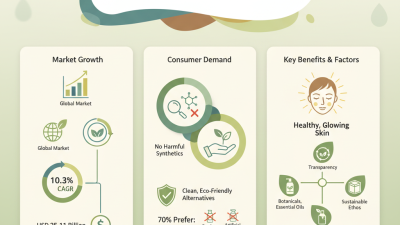
Organic skin care products have gained significant traction in recent years, driven by an increasing consumer preference for natural ingredients. According to a report by Grand View Research, the global organic skin care market is expected to reach $22 billion by 2024, reflecting an annual growth rate of approximately 10%. This shift towards organic solutions can be largely attributed to the heightened awareness of the potential harmful effects of synthetic chemicals, prompting many consumers to seek safer, eco-friendly alternatives.
Key features of organic skin care products often include a commitment to non-toxic ingredients, which are free from parabens, sulfates, and artificial fragrances. This is essential, as studies have indicated that many traditional skincare formulations can disrupt hormonal balance and contribute to skin irritation. In fact, a survey conducted by Dermatology Research and Practice found that over 50% of respondents experienced allergic reactions to synthetic ingredients in their skincare products. The benefits of using organic options extend beyond skin health, as these products typically emphasize sustainability, benefiting the environment by supporting organic farming practices and reducing the carbon footprint associated with conventional ingredient sourcing.
Identifying Genuine Organic Ingredients: What to Look For
When choosing organic skin care products, understanding how to identify genuine organic ingredients is crucial. With the growing demand for organic products, the market has become saturated with misleading claims. According to a 2021 study by the Organic Trade Association, organic skincare sales in the United States reached $1.5 billion, highlighting the need for consumers to be discerning. A key indicator of authenticity is certification; look for labels from reputable certifying bodies, such as the USDA Organic seal, which ensures that products meet strict standards for organic content.
In addition to certification, scrutinize the ingredient list. A report from the Environmental Working Group indicates that many products marketed as "natural" contain synthetic ingredients and potential irritants. Genuine organic products should primarily feature ingredients derived from plants, free from harmful chemicals and artificial fragrances. Familiarize yourself with commonly used organic components, such as aloe vera, coconut oil, and shea butter. This knowledge empowers consumers to make informed choices and avoid products containing ambiguous terms like "green" or "eco-friendly," which often lack legal definitions and regulatory oversight. By focusing on these indicators, you can trust that your skin care routine is truly benefiting from the nourishing properties of authentic organic ingredients.
Top Ingredients to Look for in Organic Skin Care Products
Evaluating Product Certifications: The Importance of Trustworthy Labels
When it comes to selecting organic skin care products, one of the most critical factors to consider is the certifications and labels that the products bear. Trustworthy certifications serve as a benchmark for quality and authenticity, ensuring consumers that they are making informed choices. According to a 2022 report from the Organic Trade Association, over 80% of consumers rely on product labels when choosing organic beauty products, highlighting the importance of clear and credible information in the decision-making process.
When evaluating product certifications, it’s essential to look for third-party validation, such as USDA Organic or COSMOS-standard labels. These certifications indicate that the products meet strict criteria for organic content, sustainability, and ethical practices. Additionally, a report by Statista indicated that nearly 70% of consumers are willing to pay a premium for certified organic skin care products, underscoring the trust and loyalty that certifications can cultivate within the market.
Tip: Always check for transparency in ingredient sourcing and production methods. Products with vague or unverified labels may compromise quality and impact skin health. Another useful tip is to research the certifying body’s reputation; credible organizations typically have stringent standards that products must meet. By prioritizing these trustworthy labels and certifications, consumers can feel more confident about their choices in the increasingly complex landscape of organic skin care.
Assessing Skin Types: Choosing Products Tailored to Your Needs
When selecting organic skin care products, it is crucial to first assess your skin type. Our skin can range from oily to dry, sensitive to normal, and even combination. Each skin type has specific needs that require tailored solutions. For instance, those with oily skin may benefit from lightweight, oil-free products that help control sebum production, while individuals with dry skin should look for richer creams that provide intense hydration and nourishment. Understanding your unique skin type lays the foundation for effective skin care choices.
Additionally, beyond knowing your skin type, it is essential to consider any specific concerns or conditions you may have. For example, if you suffer from sensitivity or conditions like eczema or rosacea, you should opt for organic products with calming ingredients such as aloe vera or chamomile, avoiding harsh chemicals that can exacerbate irritation. Conversely, those with aging skin might prioritize products rich in antioxidants and nutrients to enhance firmness and elasticity. By focusing on your unique skin characteristics and concerns, you can more effectively choose organic skin care products that not only suit your skin type but also deliver the results you desire.
10 Essential Tips for Choosing the Best Organic Skin Care Products
| Skin Type |
Product Type |
Key Ingredients |
Recommended Use |
| Oily |
Lightweight Moisturizer |
Aloe Vera, Jojoba Oil |
Use Daily in Morning and Evening |
| Dry |
Rich Cream |
Shea Butter, Coconut Oil |
Apply After Cleansing |
| Combination |
Balancing Lotion |
Rosehip Oil, Green Tea Extract |
Use Twice Daily |
| Sensitive |
Gentle Serum |
Chamomile, Calendula |
Apply When Needed |
| Acne-Prone |
Non-Comedogenic Gel |
Tea Tree Oil, Salicylic Acid |
Use Sparingly, Focus on Problem Areas |
Considering Environmental Impact: Eco-Friendly Packaging and Practices
When choosing organic skin care products, one of the most crucial factors to consider is their environmental impact. Eco-friendly packaging plays a significant role in sustainability. Look for products that use recyclable or biodegradable materials, as these options help reduce waste in landfills and oceans. Additionally, assess the brand's commitment to eliminating single-use plastics and promoting reusable packaging solutions. By selecting products with responsible packaging, you’re not only benefiting your skin but also contributing to a healthier planet.
Moreover, practices related to sourcing and production are equally important. Brands that prioritize ethical sourcing of ingredients often take extra steps to minimize their carbon footprint. This includes using locally sourced materials, which helps decrease transportation emissions, and engaging in fair trade practices that support local communities. Transparency in a brand’s production methods can be a good indicator of its dedication to eco-friendliness. By choosing organic skin care products from brands that align with these principles, consumers can ensure their choices are both beneficial for their skin and kind to the environment.