10 Essential Tips for Choosing Private Label Makeup Manufacturers
When venturing into the beauty industry, partnering with the right private label makeup manufacturers is crucial for success. As a burgeoning entrepreneur, you must navigate the complexities of selecting a manufacturer that not only aligns with your brand vision but also meets the quality standards demanded by today’s discerning consumers. The power of private labeling allows you to create a unique line of cosmetics while benefiting from established production capabilities, saving time and resources that would otherwise be spent on developing products from scratch.
Choosing the right private label makeup manufacturer involves careful consideration of several key factors. From assessing their production capabilities and quality assurance processes to understanding their range of products and customization options, every aspect can significantly impact your brand’s reputation and growth potential. This introduction serves as a guide designed to equip you with essential insights and tips for evaluating potential manufacturers, ensuring that you develop a successful private label cosmetics line that stands out in a competitive marketplace. With the right partner by your side, you can confidently bring your vision to life, delivering high-quality makeup products that resonate with your target audience.
Understanding the Private Label Makeup Industry Landscape and Market Trends
The private label makeup industry has seen a significant shift in recent years, driven by changing consumer preferences and the rise of e-commerce. With a growing demand for personalized beauty products, many entrepreneurs are looking to capitalize on this trend by sourcing makeup from private label manufacturers. Understanding the landscape of this market is crucial for those entering the industry, as it involves navigating a competitive space filled with diverse options and related challenges.
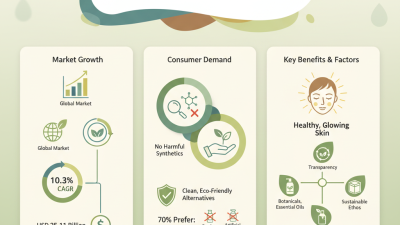
Market trends indicate a strong inclination towards cruelty-free and vegan products, prompting private label manufacturers to adapt their offerings accordingly. Sustainability is another vital aspect, with consumers increasingly seeking brands that emphasize eco-friendly packaging and ethically sourced ingredients. Furthermore, the proliferation of social media and influencer marketing has reshaped how makeup brands communicate with their target audience, making it essential for new entrants to consider their branding strategies and audience engagement methods. As the landscape continues to evolve, staying informed about these trends will be key to selecting the right manufacturer and building a successful private label makeup line.
Market Trends in Private Label Makeup Industry
Key Factors to Assess When Evaluating Potential Manufacturers
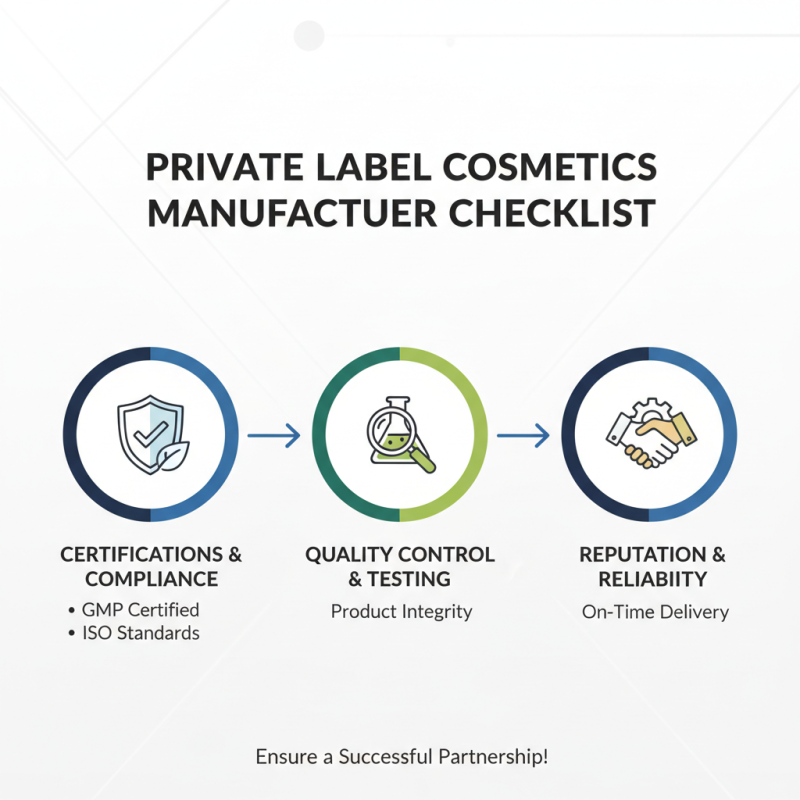
When evaluating potential private label makeup manufacturers, several key factors should be assessed to ensure a successful partnership. First and foremost, it is crucial to examine the manufacturer's certifications and compliance with industry standards. A reputable manufacturer should possess certifications such as GMP (Good Manufacturing Practice) and ISO, which indicate their commitment to quality control and safety regulations. This not only assures product integrity but also minimizes the risk of legal issues down the line.
Another vital aspect to consider is the manufacturer’s experience and expertise in the cosmetics industry. Look for manufacturers with a proven track record in producing makeup products similar to your vision. Their portfolio should reflect a diverse range of formulations, textures, and finishes, demonstrating their ability to innovate and adapt to market trends. Additionally, their willingness to collaborate on product development can be a strong indicator of a manufacturer’s commitment to your brand. Establishing good communication and understanding your specific needs will often lead to a more fruitful partnership.
Analyzing Minimum Order Quantities: Finding the Right Balance
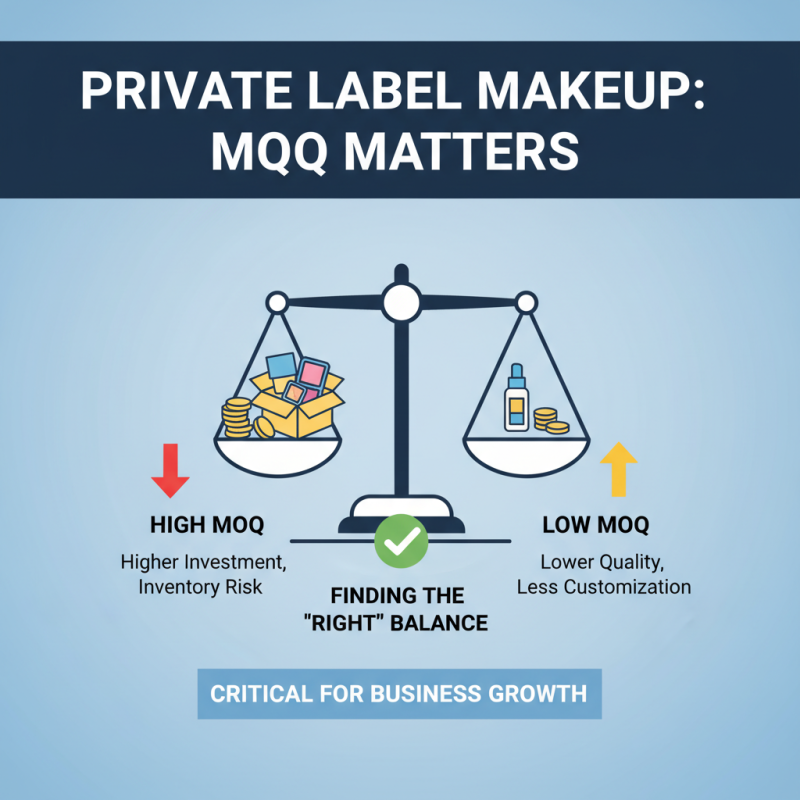
When selecting a private label makeup manufacturer, one of the most critical factors to consider is the minimum order quantity (MOQ). MOQs can vary significantly between manufacturers, impacting your initial investment and inventory management. A too-high MOQ can strain a new business’s resources, especially if the product may not perform as anticipated. On the other hand, a low MOQ might indicate lower production quality or less customization flexibility. Therefore, it’s essential to strike the right balance to align with your business model and growth strategy.
To navigate the complexities of MOQs, begin by assessing your budget and projected sales volume. This will give you a clearer picture of how much inventory you can afford to stock without risking financial strain. Additionally, consider discussing your needs directly with potential manufacturers; many are willing to negotiate MOQs to attract new customers. Flexibility in order sizes can lead to trial runs for new products, allowing you to test market demand before committing to larger quantities. In sum, achieving the right balance in MOQs is key to establishing a sustainable and profitable private label makeup line.
Quality Control Standards: Ensuring Product Safety and Compliance
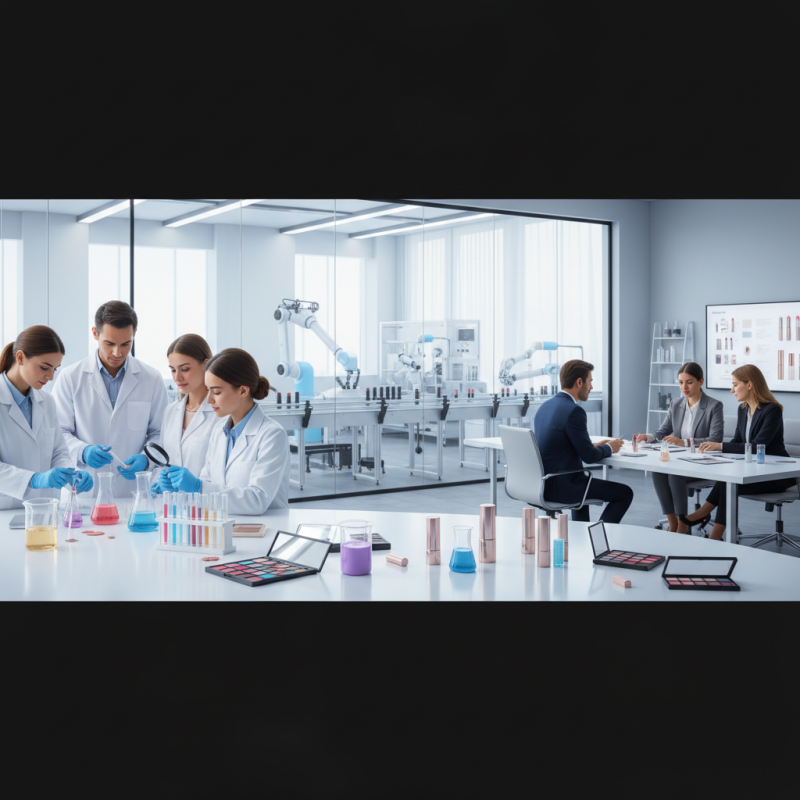
When selecting a private label makeup manufacturer, one of the most critical aspects to consider is their commitment to quality control standards. Ensuring product safety and compliance not only protects consumers but also enhances the reputation of your brand. A reliable manufacturer should have robust quality assurance processes in place to monitor every stage of production, from sourcing raw materials to the final product. Understanding the manufacturer’s quality control protocols, including testing methods and certifications, is essential for confirming that their products meet safety regulations and industry standards.
In addition, it is important to evaluate the manufacturer’s ability to conduct regular audits and inspections. These assessments are vital for identifying potential risks in the production process and ensuring that the end products are free from harmful substances. Requesting documentation that outlines their compliance with local and international safety standards can further strengthen your partnership. Building a transparent relationship with your chosen manufacturer will allow for continuous improvement in quality and reliability, ultimately leading to a safe and satisfactory product range that resonates with your target audience.
10 Essential Tips for Choosing Private Label Makeup Manufacturers - Quality Control Standards: Ensuring Product Safety and Compliance
| Tip No. |
Tip Description |
Quality Control Standard |
Compliance Certification |
| 1 |
Research Manufacturing Capabilities |
ISO 22716 |
GMP Certification |
| 2 |
Verify Ingredient Sourcing |
REACH Compliance |
Toxicology Reports |
| 3 |
Inspect Production Facilities |
FDA Regulations |
ISO Certification |
| 4 |
Request Samples |
Quality Assurance Testing |
MSDS Documentation |
| 5 |
Evaluate Pricing Structure |
Cost Per Unit Analysis |
N/A |
| 6 |
Check Customer Reviews |
Reputation Management |
Client Testimonials |
| 7 |
Review Contract Terms |
Legal Compliance |
Contractual Agreements |
| 8 |
Assess Lead Times |
Supply Chain Management |
Delivery Schedules |
| 9 |
Verify Packaging Options |
Sustainability Standards |
Eco-Friendly Certifications |
| 10 |
Establish Communication Channels |
Internal Communication Policies |
Feedback Mechanism Standards |
The Importance of Communication and Collaboration in Manufacturer Relations
Effective communication and collaboration are crucial when it comes to establishing strong relationships with private label makeup manufacturers.
Clear communication helps to outline expectations, set deadlines, and ensure that both parties are aligned on the project’s goals.
From the initial discussions about product specifications to ongoing updates during the production process, maintaining an open line of communication can significantly reduce misunderstandings and enhance efficiency.
Manufacturers appreciate when brands provide detailed feedback and are proactive in sharing ideas, as this fosters a more productive partnership.
Collaboration goes beyond mere communication; it's about building a rapport and working together towards a common vision.
Engaging in collaborative planning sessions can lead to innovative solutions that benefit both the manufacturer and the brand.
By involving manufacturers in the decision-making process, brands can tap into their expertise, leading to improved product quality and faster turnaround times.
Additionally, when challenges arise, a collaborative spirit allows for quicker problem-solving, reinforcing trust and loyalty between both parties.
Ultimately, prioritizing communication and collaboration will not only enhance the manufacturing process but also contribute to long-term success in the makeup industry.