How to Create Your Own Private Label Skin Care Products for Success?
The demand for private label skin care products has surged in recent years. According to a report by Grand View Research, the private label cosmetics market is expected to reach $16.12 billion by 2025. This growth reflects a shift toward personalized and affordable beauty solutions. Many entrepreneurs aim to leverage this trend by creating unique private label products.
Expert Rachel M. Skinner, a consultant in the beauty industry, notes, "The secret to success in private label skin care is understanding your customer." This insight emphasizes the importance of market research. Identifying target audiences can be challenging yet vital for success. Many new brands struggle to resonate with consumers.
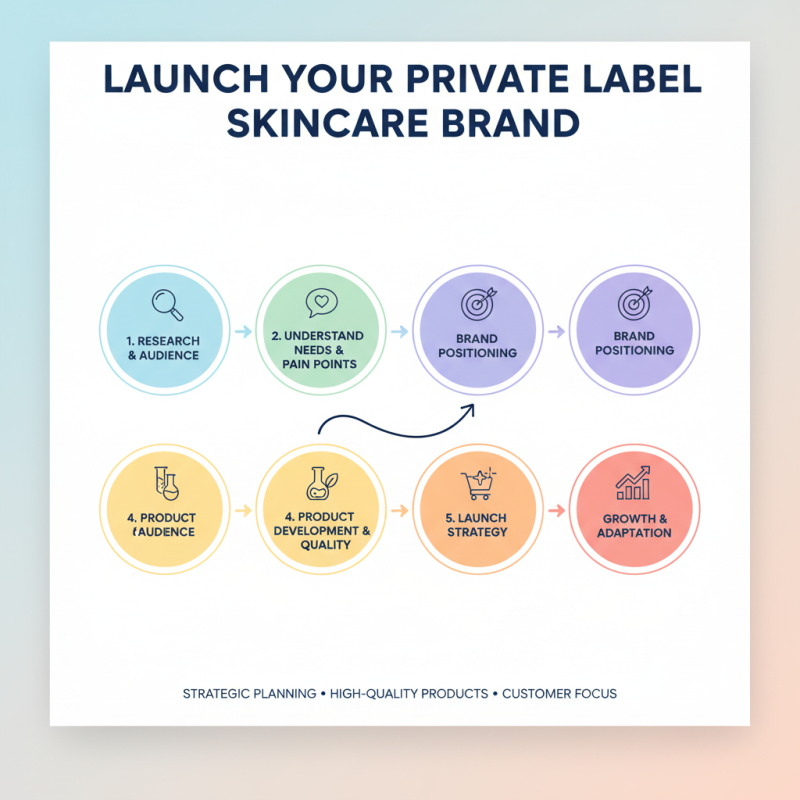
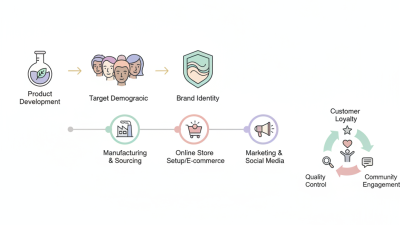
Creating a private label line requires meticulous planning. From product formulation to packaging, each detail impacts brand perception. However, aspiring entrepreneurs sometimes overlook this connection. A unique story or purpose can differentiate a brand in a crowded market. The potential for success is high, yet the path is laden with pitfalls.
Understanding the Private Label Skin Care Market Landscape in 2023
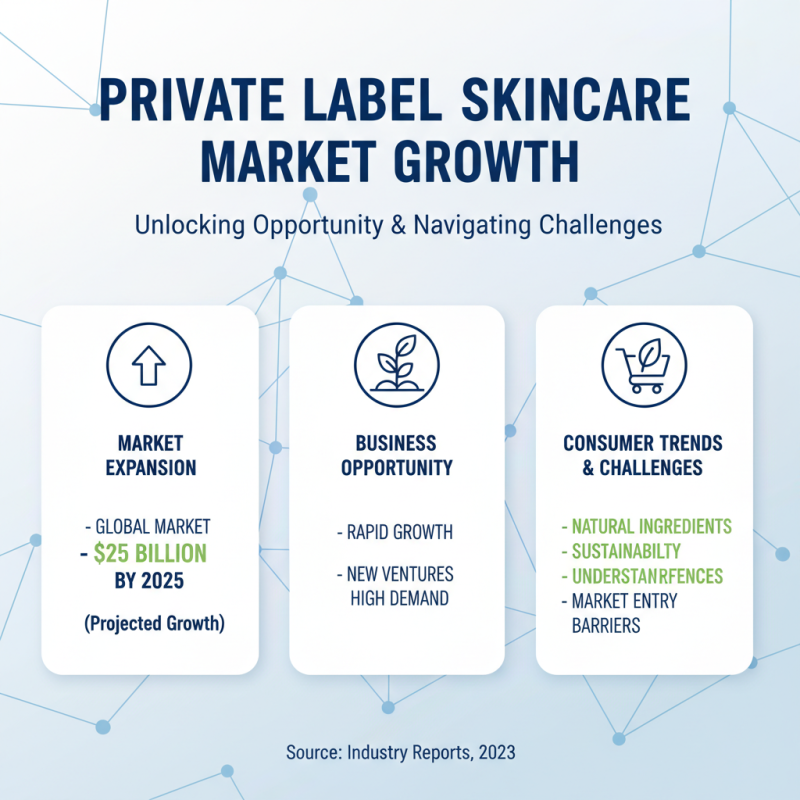
The private label skin care market is expanding rapidly. According to recent reports, the global market is projected to reach $25 billion by 2025. Many businesses are seizing this opportunity. However, entering this market is not without its challenges. Understanding consumer preferences is crucial. Many consumers now seek natural ingredients, favoring sustainability.
Statistics show that 70% of consumers consider packaging as essential when choosing products. This highlights the need for effective branding. Yet, crafting a unique brand identity can be difficult in such a competitive landscape. Small brands may struggle to stand out, often resulting in a lack of visibility. Ignoring market research can lead to costly mistakes. For instance, failing to identify the target demographic may result in poor sales.
Quality control is another vital aspect. Reports indicate that 40% of new products fail due to quality issues. Brands must invest in solid product development. This is where private label partners can play a significant role. Choosing the right partner is essential for ensuring product efficacy and safety. Many brands overlook this, leading to product recalls and damage to reputation.
Key Ingredients to Consider for Effective Skin Care Formulations
When creating private label skin care products, selecting the right ingredients is crucial. Effective formulations should focus on skin types. Not all ingredients suit every skin type. For instance, hyaluronic acid is excellent for hydration. It attracts moisture, making skin appear plumper and healthier. However, it may not be ideal for oily skin types.
Consider incorporating natural extracts. Ingredients like chamomile or green tea offer soothing benefits. They can reduce inflammation and redness. However, sourcing these ingredients can be challenging. Quality and consistency vary widely. One must always test when developing formulations.
Don't overlook the importance of texture and scent. The feel of a product impacts user experience. An unpleasant texture can lead customers to abandon a product. Similarly, fragrances may appeal to some and irritate others. Balancing these elements requires careful experimentation. It's a process that often demands patience and reflection. Ultimately, the right combination can lead to a successful private label skin care line.
How to Create Your Own Private Label Skin Care Products for Success? - Key Ingredients to Consider for Effective Skin Care Formulations
| Ingredient |
Benefits |
Recommended Usage (%) |
Skin Type |
| Hyaluronic Acid |
Hydration, plumps skin |
0.5 - 2.0 |
All skin types |
| Vitamin C |
Brightening, antioxidant |
5.0 - 20.0 |
Oily, Combination |
| Niacinamide |
Minimizes pores, evens skin tone |
2.0 - 10.0 |
All skin types |
| Retinol |
Anti-aging, reduces wrinkles |
0.1 - 1.0 |
Dry, Mature |
| Salicylic Acid |
Exfoliating, acne treatment |
0.5 - 2.0 |
Oily, Acne-prone |
Steps to Design Packaging that Attracts Target Consumers
Creating packaging that captures your target consumers' attention is crucial in the skincare industry. Research shows that 72% of consumers say packaging design influences their purchasing decisions. Thus, your product's visual appeal must align with your brand identity and consumer expectations.
Consider using bold colors and modern designs. Textures that feel luxurious can also enhance the unboxing experience. However, balance aesthetics with functionality; consumers often prefer packaging that is eco-friendly yet attractive.
Understanding your target audience is essential. Are they environmentally conscious? Elegant and upscale? Young and vibrant? A study revealed that 55% of millennials are influenced by sustainability in their buying habits. Developing a clear buyer persona can help in crafting packaging that resonates. Don’t overlook practical elements like size and ease of use. Unsuitable packaging can frustrate consumers. You may find that your beautiful design ends up being impractical. Iterating on your designs based on feedback can prevent missteps.
Finally, it's vital to reflect on your branding consistency across your entire product line. Disjointed packaging can confuse consumers. Analyze your competitors but strive for originality. Packaging should tell a story — your brand's story. While creativity is essential, measures must be taken to avoid straying too far from your brand message. Strive for coherence to build a loyal customer base.
Essential Regulations and Compliance for Private Label Products
Creating private label skin care products can be a rewarding venture. However, understanding essential regulations is key to success. According to a report by Statista, the skincare market is projected to reach $189.3 billion by 2025. This growth highlights the importance of compliance in creating safe and effective products.
When developing your private label, you must ensure that all ingredients meet safety standards. The FDA has guidelines on labeling, testing, and more. Researching local regulations is essential. Each country may have different requirements. This can impact the formulation and marketing of your products.
**Tips:** Always keep your formulations simple. Complex ingredients can complicate compliance. Consider starting with a few core products. This minimizes risk.
Understanding the challenges can help you tweak your approach. Some businesses underestimate the regulatory aspect. It can lead to costly recalls and damage to your brand. Take the time to consult with industry experts. It pays to know the rules before diving in.
**Tips:** Regularly review your product labels. Ensure they are accurate and legally compliant. Mistakes can lead to confusion and mistrust.
Private Label Skin Care Products Market Trends