How to Create an Inlay Card for Your Product Packaging?
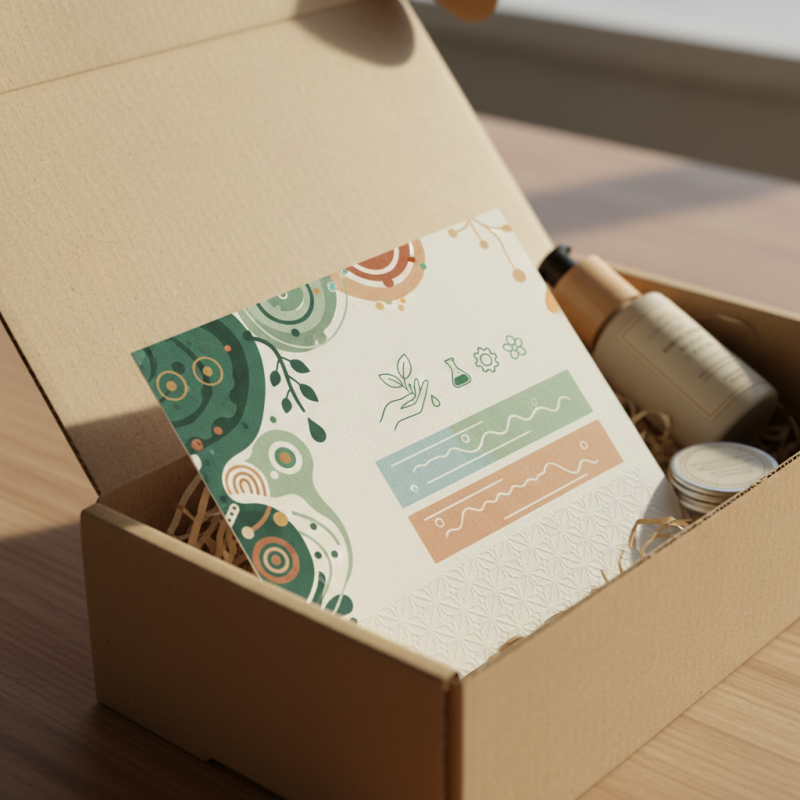
Creating an inlay card for product packaging is essential. An effective inlay card can enhance customer experience and promote brand identity. Sarah Thompson, a packaging design expert, emphasizes, "A well-designed inlay card tells a story and adds value."
Inlay cards serve multiple purposes beyond mere decoration. They can provide essential information about the product. This includes instructions, benefits, and ingredients. Thoughtful design can engage consumers and pique their curiosity. A poorly designed inlay card may lead to confusion. This can detract from the overall impression of your product.
Designing an inlay card is not just about aesthetics. It requires understanding your audience’s needs. Reflect on what information is vital and how to present it clearly. Too much text can overwhelm consumers. Visual elements should complement the message. The goal is to create an effective inlay card that resonates with your audience.
Understanding the Purpose of Inlay Cards in Product Packaging
Inlay cards serve a significant role in product packaging. They provide essential information about the product. This includes instructions, warnings, and usage tips. Customers appreciate clear details. A well-designed inlay card can increase product appeal. It also helps build trust.
When creating an inlay card, consider your audience. What information do they need? A simple checklist or a step-by-step guide can be effective. Don't overcrowd the card with text. Use bullet points for clarity.
Incorporating visuals can enhance understanding but remember, less is often more.
However, not every inlay card meets expectations. Sometimes the text is too small or the design is cluttered. Future iterations could improve by focusing on legibility. User feedback can guide these changes. Listening to customers is key in refining this tool. Ultimately, an inlay card should enhance the product experience, not hinder it.
Choosing the Right Materials for Your Inlay Card Design
Choosing the right materials for your inlay card design is crucial for both functionality and aesthetics. When selecting materials, consider the product's weight and fragility. A sturdy cardstock may be ideal for heavier items, while lighter materials are suitable for delicate products. Think about how the inlay card will interact with the packaging. Will it protect the product? Will it enhance the unboxing experience? These factors influence your choice significantly.
Tip: Always test your chosen materials before final production. It's easy to overlook the texture and thickness. You might discover that a glossy finish makes colors pop, but it could also create glare. Testing helps avoid surprises later.
Using recycled materials is a commendable choice but can sometimes compromise the look. This could lead to a less polished appearance. Reflect on your brand’s values and ensure they align with your material choices. Striking a balance between sustainability and visual impact can be challenging but rewarding.
Tip: Gather feedback on design prototypes. Others might see flaws you missed. Their insights could guide refinements. Keep in mind that every detail counts, and perfecting your design is an ongoing process.
Design Considerations: Size, Layout, and Visual Appeal
When creating an inlay card for product packaging, size is crucial. Measure your product accurately. A well-fitted inlay card enhances presentation. It should comfortably hold the product without excessive space. However, avoid making it too tight. A snug fit can lead to damage. Remember, the inlay card is part of the overall unboxing experience.
Layout plays a major role in visual appeal. Use clear sections for different information. Consider your brand's color scheme and typography. Don't overcrowd the design; negative space can enhance focus. Images can grab attention, but they must relate to the product. Experiment with placements before finalizing. Feedback from peers can help, but trust your instincts.
Visual appeal is not just about aesthetics. It conveys your brand message. Avoid clichés and strive for originality. Use textures that engage the senses. A matte finish can feel classy, while a glossy finish might offer vibrancy. Consider sustainability in materials; it’s a talking point. Reflection on your choices can lead to better designs in future projects.
Incorporating Essential Information on Inlay Cards Effectively
Inlay cards play a crucial role in product packaging. They provide essential information about the product. According to industry reports, 70% of consumers read labels before purchasing. This emphasizes the need for clarity and effectiveness in communication.
When designing an inlay card, focus on key details. Include product benefits, usage instructions, and safety warnings. A study revealed that 40% of buyers choose products based on label clarity. Imagine a crowded shelf where your product stands out with concise, visually appealing information. It can make or break a sale.
While creativity is vital, ensure that the information is organized. Cluttered designs can confuse customers. Reflect on the balance between eye-catching graphics and important text. Feedback from potential buyers can help refine this balance. Incorporate visuals like icons or diagrams. This not only aids understanding but also makes the inlay card more engaging. Remember, simplicity is often the best approach.
Product Packaging Inlay Card Information
Evaluating Production Costs and Printing Techniques for Inlay Cards
When creating an inlay card for product packaging, evaluating production costs is essential. The choice of materials can significantly impact your budget. For instance, a simple paper stock may cost less but might lack durability compared to a thicker cardstock. Additionally, the type of print finish, such as matte or glossy, can also alter your expenses. Companies often discover that while cheaper materials save money initially, they may lead to higher long-term costs due to replacements or damage.
Choosing the right printing technique is equally critical. Digital printing is often faster for small runs but may have limitations in color variance. On the other hand, offset printing is cost-effective for larger quantities despite a higher setup time. It's worth noting that your printing choice will influence your design options and overall aesthetic. Poorly planned design layouts can also lead to wasted material, adding to costs. Balancing quality and expense can be tricky, and it's important to reflect on the product's overall image while keeping budget constraints in check.
How to Create an Inlay Card for Your Product Packaging? - Evaluating Production Costs and Printing Techniques for Inlay Cards
| Printing Technique | Estimated Cost per 1000 Units | Material Type | Lead Time (Days) | Design Flexibility |
| Digital Printing | $300 | Cardstock | 5 | High |
| Offset Printing | $500 | Recycled Paper | 10 | Medium |
| Flexographic Printing | $450 | Plastic | 7 | Low |
| Letterpress Printing | $600 | Cardstock | 14 | Medium |
| Screen Printing | $400 | Fabric | 8 | High |