What is Contract Manufacturing Companies and How Can They Help You?
In today's competitive landscape, contract manufacturing companies play a crucial role in helping businesses streamline production. According to a report by Deloitte, nearly 70% of companies leverage contract manufacturing to reduce costs and enhance operational efficiency. This industry has seen a significant rise, driven by the need for specialized skills and advanced technologies. As John Smith, an expert in contract manufacturing, states, “Choosing the right partner can propel your business forward.”
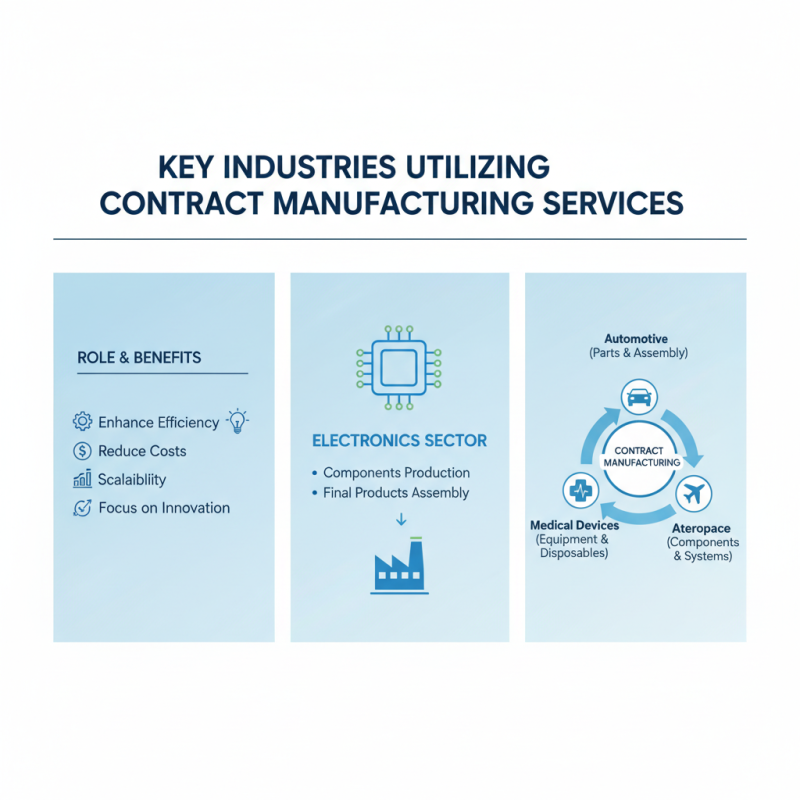
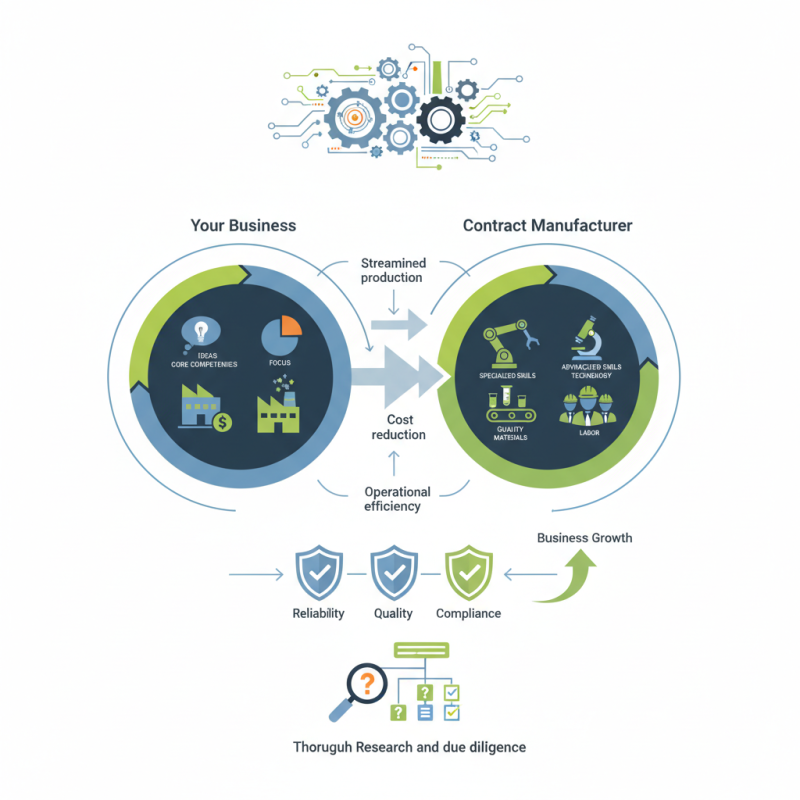
Contract manufacturing companies offer tailored solutions that align with specific business needs. They provide access to high-quality materials and skilled labor without the overhead costs. For instance, a pharmaceutical company might rely on contract manufacturers to produce life-saving medications efficiently. Such partnerships enable companies to focus on core competencies while ensuring product quality.
Yet, choosing the right contract manufacturing partner is not without challenges. Companies must consider factors like reliability and compliance. An inadequate selection process can lead to costly mistakes. In an industry where precision matters, the right choice can make or break a business. This underscores the importance of thorough research and due diligence in the selection process.
What is Contract Manufacturing? Definition and Overview
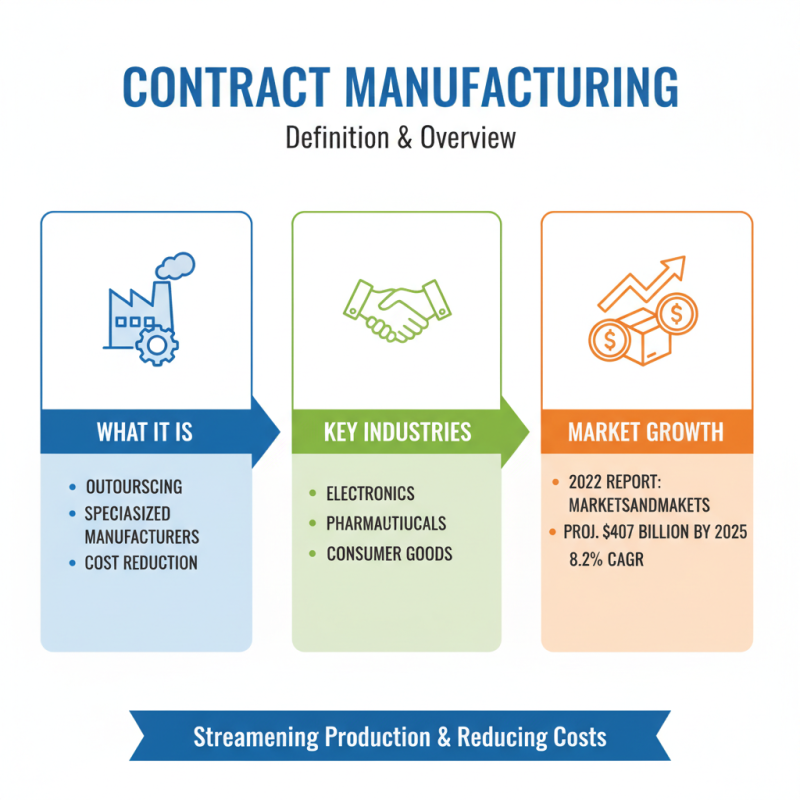
Contract manufacturing refers to the process where companies outsource the production of their products to specialized manufacturers. This approach has gained traction across various industries, particularly in electronics, pharmaceuticals, and consumer goods. According to a 2022 report by MarketsandMarkets, the global contract manufacturing market is projected to reach $407 billion by 2025, growing at a CAGR of 8.2%. This robust growth indicates the increasing reliance on these companies to streamline production processes and reduce costs.
One of the primary advantages of contract manufacturing is flexibility. Businesses can scale production up or down based on demand without incurring high fixed costs. For example, a small electronics brand might need a rapid increase in production during the holiday season. Partnering with a contract manufacturer allows them to meet that surge without the burden of permanent infrastructure. However, businesses must carefully choose their partners. Quality control can be a significant concern, as subpar products can damage brand reputation. A 2021 study found that 30% of companies faced challenges related to quality when working with contract manufacturers.
Additionally, the strategic use of contract manufacturing can lead to innovation. Manufacturers often have access to the latest technologies and processes. This can help companies stay competitive in a fast-changing marketplace. However, the dependency on external suppliers can sometimes lead to vulnerabilities. Disruptions in the supply chain, for instance, can impact production timelines adversely. Therefore, while contract manufacturing offers many benefits, businesses must also be cautious and conduct thorough due diligence.
The Benefits of Contract Manufacturing for Businesses
Contract manufacturing presents numerous advantages for businesses across various sectors. This type of collaboration allows companies to leverage external expertise while focusing on their core operations. According to a recent report by the Research and Markets, the global contract manufacturing market is expected to reach $500 billion by 2025, reflecting the growing demand for outsourcing production. This shift can result in significant cost savings, as manufacturers often invest in advanced technologies that smaller companies may not afford.
Efficiency is another critical benefit of contract manufacturing. By partnering with experienced manufacturers, companies can reduce lead times and optimize their supply chain. A study from Deloitte indicates that companies utilizing contract manufacturing can increase their production rates by up to 30%. However, relying on external partners may lead to challenges related to quality control and communication. Businesses must establish clear standards and maintain robust oversight to mitigate these risks.
Moreover, contract manufacturing can enhance innovation by tapping into specialized knowledge. When companies collaborate with expert manufacturers, they may gain access to new techniques and technologies that can improve product development. However, not all partnerships work smoothly. Companies must evaluate their manufacturing partners carefully to ensure alignment in goals and values. This approach can help businesses avoid potential pitfalls and make the most of contract manufacturing benefits.
Statistics on Growth and Trends in Contract Manufacturing
Contract manufacturing is a rapidly growing sector. Recent statistics indicate an upward trend in this industry, particularly in the electronics and pharmaceuticals fields. According to market reports, the global contract manufacturing market is expected to surpass a significant milestone in the next few years. This growth reflects various industries' reliance on external expertise to enhance production efficiency.
Several factors contribute to this impressive growth. Increased demand for specialized services drives companies to outsource production processes. Maintaining agility in manufacturing has never been more critical. This allows businesses to respond quickly to market changes. However, many firms struggle with quality control and intellectual property concerns when outsourcing. Navigating these challenges is essential for successful partnerships.
As the landscape evolves, companies must choose their partners wisely. Building trust and ensuring clear contractual agreements is vital. In particular, awareness of potential pitfalls can lead to better decision-making. Looking ahead, the contract manufacturing industry will likely see further innovation. Adopting modern technologies could refine processes, but the emphasis on human oversight remains crucial for success.
How to Choose the Right Contract Manufacturing Partner for Your Needs
Choosing the right contract manufacturing partner is crucial for your business success. Start by assessing their experience in your industry. A partner with a strong track record can understand your specific needs. Look for companies that have implemented quality control measures. These will ensure the integrity of your products.
Next, evaluate their capabilities and technology. A partner should have modern facilities and advanced equipment. This indicates their reliability and ability to meet deadlines. Request examples of past projects. This helps in understanding their approach and quality of work. Open communication is vital. Assess how responsive they are to your inquiries.
Finally, consider their flexibility. Businesses often face changing demands. A good partner should adapt to your needs over time. Ensure they offer solutions that can scale with your growth. Be prepared to discuss potential challenges. A trustworthy partner will highlight areas for improvement. This transparency can provide valuable insights into their operational standards.
What is Contract Manufacturing Companies and How Can They Help You? - How to Choose the Right Contract Manufacturing Partner for Your Needs
| Department/Function |
Description |
Criteria for Selection |
| Production |
Manufacturing products based on specific client needs. |
Capacity, technology, and production capabilities. |
| Quality Assurance |
Ensuring products meet quality standards and regulations. |
Certifications, quality control processes, and testing capabilities. |
| Supply Chain Management |
Coordinating logistics and material sourcing. |
Supplier networks, logistics efficiency, and inventory management. |
| Customization |
Adapting products to meet specific customer requirements. |
Flexibility, experience with customization, and lead time. |
| Cost Management |
Managing production costs effectively. |
Transparent pricing, cost-saving initiatives, and volume discounts. |