What Are Clogs Shoes and Why Are They Popular?
Clogs Shoes are more than wooden-looking footwear from old photographs. They combine a firm sole, an open back, and a recognizable raised shape. Traditional versions used carved wood, while modern designs often use rubber, leather, cork, or molded foam. This mixture gives clogs a strong visual identity.
Footwear curator Elizabeth Semmelhack offers a useful perspective: “Shoes reveal how people live, work, and move.” Clogs demonstrate that idea clearly. Farmers, nurses, artists, and restaurant workers have worn them for practical reasons. Their roomy toe boxes can feel comfortable during long shifts. Their thick soles may also separate feet from cold floors, spills, and uneven ground.
But comfort is not automatic.
A poorly fitted pair can feel heavy, stiff, or unstable. Some wearers dislike the firm footbed, especially during the first few days. Personal experience matters here. A clog that supports one person may irritate another person’s heel or arch. Fit, weight, materials, and walking habits deserve careful attention.
Clogs Shoes remain popular because they blend usefulness with personality. Their rounded fronts look distinctive beside sleek sneakers. Their sturdy construction can suggest durability, although not every pair lasts equally well. Trends also keep returning to handmade textures, natural materials, and nostalgic workwear. That cultural cycle helps clogs feel familiar, yet current.
This guide explores their history, construction, comfort, styling, and everyday performance. It also questions the common assumption that every clog is practical. That belief deserves a closer look.
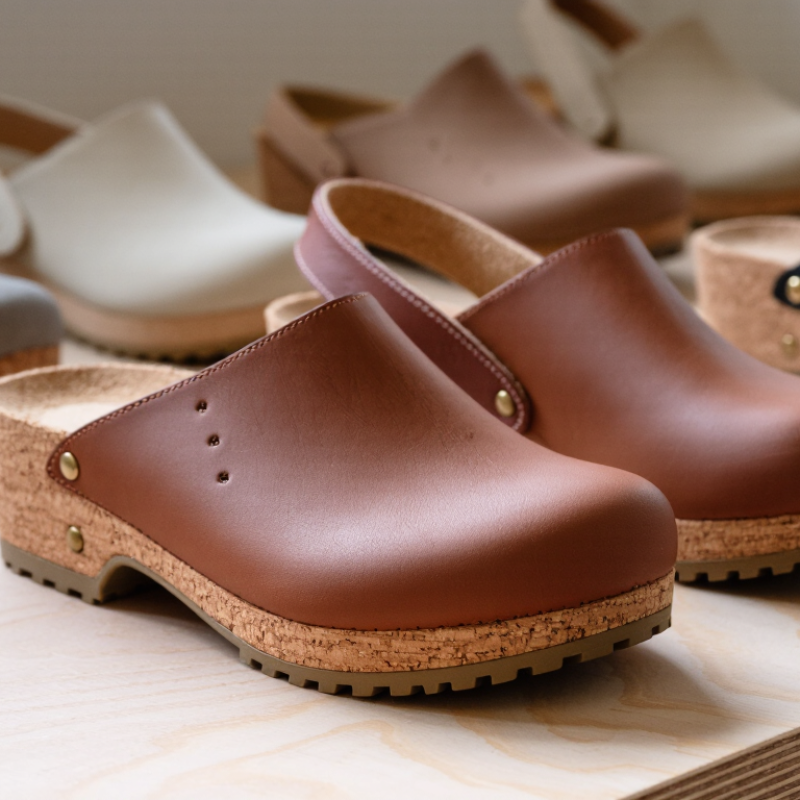
What Are Clogs Shoes? Definition and Key Characteristics
Clogs shoes are slip-on footwear with a roomy front and a raised, sturdy sole. Their back may remain open, or include a heel strap for extra security. Traditional versions use wood, while modern pairs often use molded rubber, foam, leather, or textile uppers. The sole usually feels firm underfoot. That firmness can support steady walking, although it may feel harsh on concrete floors. A broad toe box gives toes more space, but shape varies between designs. Therefore, “comfortable” is not automatic.
Their popularity comes from practical details. They are easy to put on, stable during short walks, and adaptable across casual or work settings. The World Footwear Yearbook 2024 reports that global footwear production reached about 23.9 billion pairs in 2023. This huge industry encourages more functional designs, including lightweight clogs and washable materials. Still, sales volume does not prove foot health benefits. Poor sizing can cause heel slipping, pressure points, or awkward walking. That part deserves more attention.
Tips: Check toe space while standing. Your toes should not touch the front. Test the sole on hard flooring, not only carpet. If the heel strap swings loosely, adjust it before walking outdoors. I have found that a softer footbed feels better initially, but it may lose support faster. Experiences differ, so replace assumptions with a real fitting test.
How Clogs Shoes Developed Through History and Culture
What Are Clogs Shoes and Why Are They Popular?
How Clogs Shoes Developed Through History and Culture
Clogs are shoes with a firm sole, often made from wood, rubber, or molded materials. Their history is not perfectly linear. Archaeological evidence suggests wooden-soled footwear appeared in several European regions, shaped by local work and weather. In the Netherlands, wooden klompen protected farmers from wet ground and sharp debris. In France, sabots became linked with rural labor and affordable protection. These traditions developed differently, rather than from one single birthplace.
During industrialization, clogs served factory workers, miners, and agricultural communities. Their rigid soles helped resist mud, impact, and uneven surfaces. That was practical, not glamorous. Later, designers and countercultures reinterpreted clogs as expressive everyday footwear. Their raised soles, open backs, and audible steps became recognizable cultural signals. This shift also shows why calling clogs purely traditional is too narrow.
The World Footwear Yearbook 2023 reported 23.9 billion footwear pairs produced worldwide in 2022. Grand View Research valued the global footwear market at approximately 365.5 billion dollars in 2022. These reports do not isolate clogs, but they reveal a large market for functional and lifestyle footwear. Not merely costume. Today, buyers often choose clogs for comfort, easy entry, and visual character. Health professionals still debate fit, arch support, and long-term wear. A rigid sole may feel stable, yet it can reduce natural foot movement. History is uneven. That tension keeps clogs useful, recognizable, and open to reinterpretation.
What Materials and Designs Are Used in Clogs Shoes?
Clogs shoes are made from materials chosen for structure, comfort, and easy maintenance. Traditional designs use carved wood, which creates a firm base and a distinctive walking sound. Modern pairs often use EVA foam, rubber, leather, or molded synthetic materials. EVA feels light and flexible, while rubber usually offers stronger grip on wet floors. Leather can soften with wear, but it may absorb moisture without proper care. Cork footbeds are another option. They can shape slightly around the foot over time.
Design details change how clogs feel during daily use. Many styles have an open heel for quick entry, while closed-back versions provide more security. A roomy toe box allows the toes to spread naturally. Ventilation holes reduce heat, although they cannot replace breathable socks in humid weather. Adjustable straps can improve stability, but loose fittings may still cause heel movement. Some soles include a mild rocker shape, helping the foot roll forward during walking. Slip-resistant tread is useful, yet its performance depends on the floor and the tread’s condition.
I once assumed heavier clogs were always more supportive. That was not entirely true. Weight can improve stability, but it may increase fatigue during long walks. I now check the footbed, sole flexibility, and heel hold together. Materials also need inspection after repeated use. Cracked foam, worn tread, or a distorted footbed can reduce comfort. Small details matter. Clogs work best when their design matches the wearer’s routine, foot shape, and walking environment.
Why Are Clogs Shoes Popular for Comfort and Style?
Clogs are slip-on shoes known for their roomy shape and sturdy soles. Their design often includes a raised heel, a broad toe box, and supportive footbeds. Materials vary from smooth leather to lightweight molded foam, so the wearing experience can differ widely. In my experience, a well-fitted pair feels stable during long walks and busy workdays.
They feel different. The open back makes them easy to remove, while a heel strap can improve security. Comfort depends on more than softness. Your toes should move freely, and your heel should not lift excessively with every step. A firm sole may reduce foot fatigue for some people, but it can feel heavy on stairs or uneven ground. They are not perfect. People with sensitive feet should test the footbed carefully and allow time for adjustment.
Style also keeps clogs popular. Their simple silhouette works with straight-leg trousers, denim, skirts, and relaxed workwear. Neutral colors create a practical appearance, while textured finishes add visual interest without looking excessive. Current designs can appear polished rather than purely casual. I once chose a pair for appearance alone, then noticed rubbing after an hour. That mistake taught me to check fit before color. Try them with the socks you normally wear. Small details matter.
How to Choose and Wear the Right Clogs Shoes
What Are Clogs Shoes and Why Are They Popular?
How to Choose and Wear the Right Clogs Shoes
Clogs shoes combine a roomy front, supportive structure, and an easy slip-on design. Their practical shape suits busy mornings, standing work, and relaxed weekend walks. Choose a pair that holds your heel securely without squeezing your toes. Your longest toe should have about one finger’s width of space. Test them indoors first. Walk on a firm floor and notice pressure around the arch, heel, and instep. A stable sole matters, especially on wet pavement or uneven paths. Natural materials may soften over time, while synthetic options often resist light moisture better. Check the care instructions before wearing them outdoors.
Tips: Wear the socks you normally use. Start with short walks. Keep your steps relaxed.
Clogs can look balanced with straight-leg trousers, cuffed jeans, or casual dresses. Let the shoes remain visible rather than covering them with wide hems. For a cleaner appearance, choose neutral colors and simple layers. In warmer weather, breathable uppers may feel more comfortable. In colder conditions, thicker socks can help, but they should not make the fit tight. I once bought clogs that felt comfortable for ten minutes and painful after an hour. That mistake taught me to test movement, not just appearance. Also, do not assume a rigid sole suits everyone. Some people prefer flexibility, while others need firmer support. If discomfort continues, stop wearing them and reassess the size, shape, and walking surface.
What Are Clog Shoes and Why Are They Popular?
Clogs are shoes with a structured upper and a firm sole, traditionally associated with wood but now commonly made with rubber, leather, or molded synthetic materials. Their roomy shape, easy slip-on design, and supportive construction make them popular for everyday wear and work environments.
How to choose and wear the right clogs: Use the guide as a general starting point. Leave enough space for your toes to move freely, keep heel movement minimal, and choose adjustable straps when you need a more secure fit. Wear clogs gradually at first, especially when the sole is firm or highly structured.
The chart shows general toe-clearance ranges in millimeters. Individual foot shape, socks, and swelling can change the ideal fit.