
How to Choose the Best Candy Shop Shelves?

Choosing the best candy shop shelves is more than selecting attractive furniture. The right system should protect products, guide movement, and make every colorful package easy to notice. Retail expert Paco Underhill has said, “What you sell is not as important as how you sell it.” His observation applies strongly to candy retail. A premium chocolate bar can remain unnoticed when placed too high, too low, or behind crowded displays.

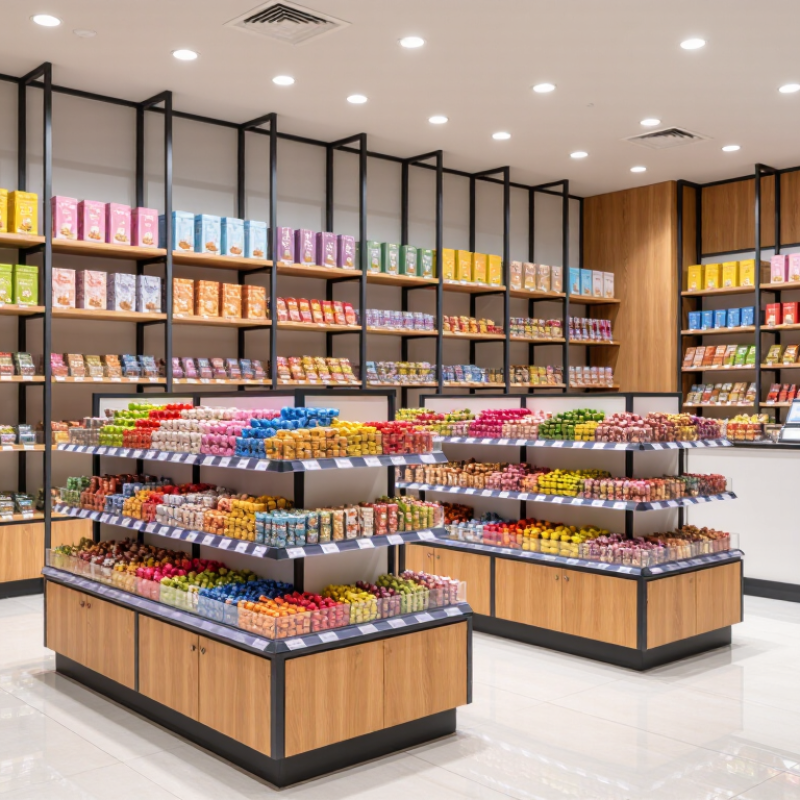
Effective candy shop shelves should match the store’s products, customer traffic, and available space. Adjustable shelves help display tall gift boxes beside small wrapped candies. Clear acrylic fronts can keep loose packaging aligned and visible. Rounded corners may improve safety in narrow aisles. Strong powder-coated steel or sealed wood also supports frequent cleaning and daily handling. Near the entrance, low shelving can create an inviting view without blocking the counter. At checkout, compact shelves can encourage small, convenient purchases.

There is no perfect shelf for every candy shop. That is worth admitting. A design that works in a bright boutique may fail in a busy convenience store. Store owners should test shelf heights, product spacing, and customer movement before making a full investment. Watch where shoppers pause. Notice which items remain untouched. Small changes may reveal more than confident assumptions. This guide examines material, layout, durability, hygiene, accessibility, and visual merchandising. It aims to support practical decisions, not expensive decoration. The best candy shop shelves should make shopping feel simple, clean, and pleasantly tempting.
How to Choose the Best Candy Shop Shelves?

Define the Purpose and Layout of Your Candy Shop Shelves

How to Choose the Best Candy Shop Shelves?

Define the Purpose and Layout of Your Candy Shop Shelves

Before choosing shelves, decide how customers will use each section. Display colorful impulse treats near the entrance. Place family-size packages on wider, lower shelves. Keep premium or delicate items at comfortable eye level. Your layout should guide shoppers naturally, not force them to search. Leave clear walking space around corners and checkout areas. Follow local accessibility and fire-safety requirements. Measure the shop carefully before ordering anything. A small mistake here can affect the entire customer experience.

Tips: Sketch the floor plan first. Mark doors, windows, counters, and electrical points. Test one shelf arrangement with empty cartons. Walk through it as a customer would. Check whether children can see suitable products safely. Keep heavier packages on lower levels. Use shelf labels that remain readable under bright lighting. Rotation also matters, so place older stock where staff can reach it easily.

From practical store planning, adjustable shelves offer useful flexibility. Candy collections change during holidays, and fixed spacing can become frustrating. Choose stable materials with smooth, easy-clean surfaces. Avoid overcrowding, even when sales are strong. Full shelves look attractive, but blocked products reduce browsing comfort.

I once underestimated the value of a small gap between displays. It made restocking slower and made the aisle feel cramped.

Review the layout after opening, then improve it using staff observations and customer movement.

Compare Shelf Materials, Sizes, and Weight Capacities

How to Choose the Best Candy Shop Shelves?

Shelf material affects safety, appearance, and daily cleaning. Powder-coated steel usually supports the heaviest loads and resists dents. Tempered glass creates a bright, premium display, but it needs careful edge protection. Acrylic is lighter and safer around children, although it scratches more easily. Grand View Research valued the global confectionery market at about $244 billion in 2022. That scale suggests frequent product replenishment, not fragile decorative shelving alone.

Measure each bay before ordering. A 36-inch-wide shelf can display several candy rows without hiding labels. Keep the front edge near eye level, and leave enough aisle space for baskets. Where applicable, the U.S. Access Board’s ADA Standards specify a 36-inch minimum clear route.

Capacity requires more care. A steel shelf rated for 150–250 pounds may suit jars or bulk containers, while glass should carry less unless professionally tested. Ratings usually assume evenly distributed weight. A single heavy jar changes the calculation.

During a small shop fitting, I once focused too much on shelf length. The display looked efficient, but restocking became awkward. That mistake still matters.

Check the manufacturer’s tested capacity, bracket spacing, and wall fixing method. Count real stock weight: twenty-four 24-ounce jars weigh roughly 36 pounds before packaging. Leave a safety margin. “Looks strong” is not an engineering specification.

Plan Product Visibility, Accessibility, and Candy Grouping

How to Choose the Best Candy Shop Shelves?

Plan Product Visibility, Accessibility, and Candy Grouping

Shelf planning should make every product easy to notice, reach, and compare. POPAI’s Mass Merchant Shopper Engagement Study found that 76% of purchase decisions happen inside stores. Therefore, place colorful, high-margin sweets between eye and hand level. Keep heavier jars lower. Leave enough space for customers to view labels without moving nearby products.

Group candy by shopping purpose, not only by flavor. Create clear sections for chocolate, chewy sweets, seasonal items, and small treats near the checkout. Use consistent shelf heights and simple signs. The National Confectioners Association’s 2024 State of Treating research reports that most consumers view candy as an occasional pleasure, so portions and price points should feel approachable. Small packs can sit near payment areas, while family-size bags need wider shelves and stronger support.

Tips: Keep 10–15% of each shelf visually open. Test one grouping for two weeks, then compare sales and customer movement. Touch accessibility matters. A crowded shelf may look abundant, but it can slow selection. I have seen attractive displays underperform because the best products were placed too high. This is easy to miss. Review the layout with a real customer, not only a store planner. No shelf plan is perfect. Notice what shoppers ignore, and adjust carefully.

How to Choose the Best Candy Shop Shelves? - Plan Product Visibility, Accessibility, and Candy Grouping

Shelf Format Recommended Height Shelf Depth Product Visibility Customer Accessibility Best Candy Grouping Typical Capacity Recommended Use
Low Gondola Shelf 90–120 cm 35–45 cm High; products remain visible across the store Very easy for children and adults Bagged candy, boxed sweets, and seasonal assortments Approximately 60–100 facings per 1 m section Open layouts and central sales areas
Wall-Mounted Adjustable Shelf 150–210 cm overall unit height 25–35 cm High when shelves are kept below eye level Good; keep fast-selling items between 90 and 150 cm Chocolate bars, boxed candy, and premium gift items Approximately 40–75 facings per 1 m section Perimeter walls and narrow retail spaces
Tiered Display Shelf 80–140 cm 30–40 cm Very high; raised levels reduce product blocking Good for most shoppers Small bags, jars, novelty sweets, and colorful packs Approximately 30–60 facings per 1 m section Feature displays and high-traffic viewing zones
Gravity-Fed Candy Bin 100–150 cm 30–40 cm High through transparent fronts and open product presentation Easy dispensing; suitable scoop height is 90–120 cm Wrapped bulk candy, gummies, mints, and hard sweets Approximately 5–12 kg per bin, depending on candy size Self-service bulk candy zones
Clear Acrylic Counter Display 80–120 cm counter height 20–30 cm Very high at checkout and service areas Excellent for quick browsing and impulse purchases Small chocolate, mints, lollipops, and individually wrapped items Approximately 20–40 small packs per 60 cm unit Checkout counters and staffed service points
Rotating Carousel Rack 120–170 cm 35–50 cm diameter High from multiple customer approach angles Good; rotating access reduces reach distance Greeting cards, lollipops, hanging bags, and novelty candy Approximately 24–48 hanging or packaged items Corners, queue areas, and small promotional zones
Slatwall Shelf System 150–210 cm overall unit height 20–35 cm High with adjustable shelf spacing and signage Good; place high-demand products at hand level Mixed categories, gift boxes, seasonal products, and accessories Approximately 35–70 facings per 1 m section Flexible merchandising and frequently changing assortments
Angled Bin Shelf 90–140 cm 35–45 cm Very high; front-facing labels are easy to read Very good for self-selection Wrapped candy, snack-size packs, and assorted pouches Approximately 8–18 kg per 1 m shelf section High-volume categories requiring clear product labels
Planning Guidelines: Keep best-selling products between 90 and 150 cm from the floor, maintain at least 90 cm of clear aisle width where possible, group candy by type and pack size, and use lower shelves for heavier products. Reserve eye-level space for high-margin or frequently purchased items.

Evaluate Safety, Hygiene, Durability, and Maintenance Needs

How to Choose the Best Candy Shop Shelves?

Evaluate Safety, Hygiene, Durability, and Maintenance Needs

A candy shelf must look inviting without creating hazards. Choose a stable structure with a wide base, rounded corners, and secure joints. Shelves should support the expected product weight without bending. Clear glass or acrylic can improve visibility, but check its impact resistance and edge protection. Ask for documented load ratings and assembly instructions. Small details matter.

Tips: Select smooth, non-porous surfaces with minimal seams. They resist sticky sugar, dust, and moisture. Removable trays make daily cleaning easier. Keep cleaning tools nearby, and inspect corners, screws, and brackets each week. Avoid shelves that require special chemicals or complicated disassembly. Simple maintenance usually gets done more consistently.

Durability depends on materials, shop traffic, and cleaning habits. Powder-coated metal handles frequent wiping well, while untreated wood may absorb spills. Test the shelf height before buying; staff should reach products without stretching. Leave enough space for air circulation and easy floor cleaning. A practical mistake is choosing maximum display capacity. Crowded shelves are harder to sanitize and may encourage unstable stacking. Reconsider the layout after observing real customer movement for several days.

How to Choose the Best Candy Shop Shelves?

Use these practical evaluation weights to compare shelving options for candy displays. Safety, hygiene, durability, and maintenance should all be considered before purchase.

Selection guidance: Prioritize smooth, easy-to-clean surfaces, stable construction, suitable load capacity, rounded or protected edges, and simple access for routine inspection and maintenance.

Match Shelf Design With Your Shop’s Style and Budget

Matching shelf design with your shop’s style and budget starts with customer movement, not decoration. POPAI’s 2014 Shopper Engagement Study found that 76% of purchase decisions happen inside stores. Candy shelves should therefore make browsing easy and choices visible.

A bright, playful shop may use colorful metal shelves, clear acrylic bins, and rounded edges. A premium shop may prefer wood tones, warm lighting, and fewer products per shelf.

Keep popular items between waist and eye level. Children notice lower displays, but adults often control the final purchase. Shelf labels should show prices clearly, because confusion weakens trust.

Budget matters more than fashionable materials. The 2023 Global Shopper Study by FMI reported that 77% of shoppers consider value important when choosing products. A costly shelf will not fix poor product grouping.

Modular units can be moved as seasonal demand changes. That flexibility may save more than a perfect custom fixture.

Test one section first.

Measure sales, dwell time, and restocking effort. A small candy shop should also check whether shelves block staff sightlines or create crowded corners. This detail is easy to miss. I would not assume the brightest display performs best; too much color can make products look chaotic. Review the layout after two weeks, then adjust shelf height, spacing, and signage using actual customer behavior.

Scroll to Top