How to Choose the Best Golf Divot Tools?
Choosing the right Golf Divot Tools is a small decision with visible consequences. A repaired pitch mark can protect the putting surface beneath your ball. A poorly designed tool may tear roots, bend easily, or remain forgotten in your pocket.
The National Golf Foundation reported about 28.1 million on-course golfers in the United States during 2023. That participation level represents millions of daily interactions with greens, where careful maintenance matters. The R&A’s Golf Around the World report also shows golf’s broad international reach, with courses serving players across diverse climates and turf conditions. These figures support a practical point: one universal divot tool may not satisfy every golfer or course.
This guide examines material strength, prong shape, handle comfort, portability, and repair technique. USGA guidance recommends lifting the edges of a ball mark toward the center, rather than twisting or prying upward. The tool must support that motion. Look for rounded, durable prongs that enter firm turf without excessive force. Lightweight aluminum feels convenient, while stainless steel often provides stronger long-term resistance. Neither option is perfect.
A magnetic ball marker can improve convenience. A flat profile can prevent pocket discomfort. A textured grip helps during wet mornings. Small details become important after eighteen holes.
Experience still matters more than packaging claims. Try the tool in your hand. Check its balance. Consider your local grass. The “best” choice depends on both the golfer and the green. That is easy to overlook.
What a Golf Divot Tool Is and Why It Matters
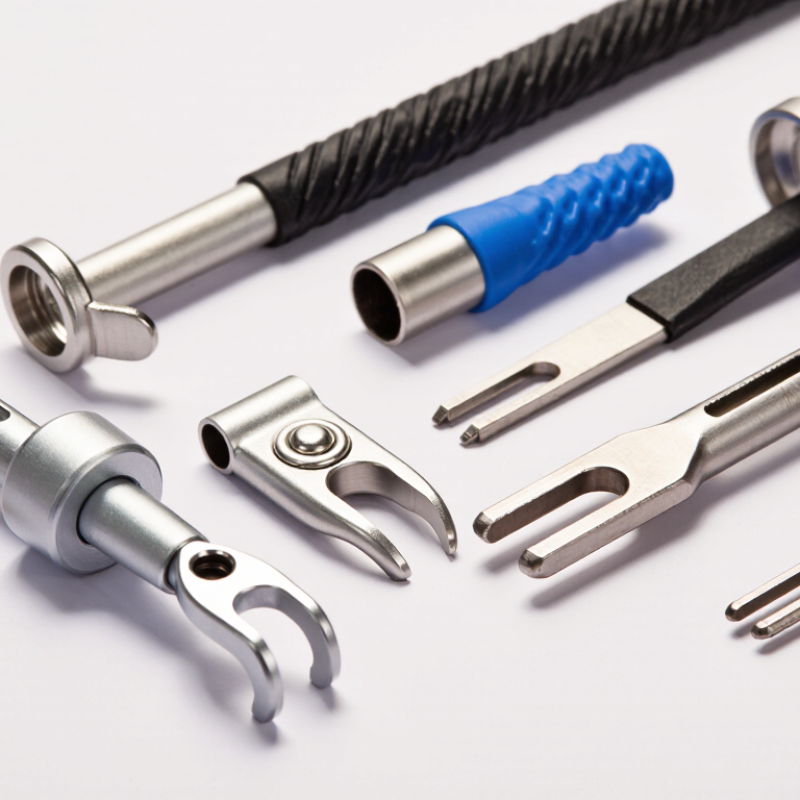
A golf divot tool is a small implement for repairing ball marks on a putting green. It usually has two narrow prongs and a comfortable handle. After a ball lands, it can press damaged turf back toward the center. This helps the grass recover more evenly. It also keeps the putting surface smoother for the next player.
Its value becomes obvious during a busy round. A fresh mark may look small, but it can redirect a rolling ball. On a damp morning, I have seen soft turf lift around the impact area. A careful repair takes only a few seconds. Insert the prongs beside the mark, then gently push inward. Avoid lifting the soil, which can tear the roots. Small detail. Big effect.
When choosing one, inspect the prongs, grip, and overall balance. Stainless metal resists bending, while a textured handle feels safer with wet hands. A compact tool fits easily in a pocket, but very small handles may feel awkward. I once chose a lightweight model that looked convenient. It twisted during use, and the repair became untidy. That mistake changed my preference. I now test the grip, check the prongs for alignment, and choose a tool that encourages gentle pressure. A built-in ball marker can help, but it should not distract from the tool’s main purpose.
How to Choose the Best Golf Divot Tools?
A golf divot tool lifts and repairs ball marks on the putting green. The comparison below rates common design features on a practical 1–5 scale, helping golfers balance turf safety, control, portability, and ease of use.
Higher scores indicate a more favorable characteristic. A two-prong tool generally provides strong control while minimizing unnecessary lifting of the green; ergonomic grip and compact size also improve everyday usability.
Key Features to Consider Before Choosing a Divot Tool
Choosing a golf divot tool starts with its repair performance, not its appearance. The National Golf Foundation’s 2024 Golf Participation Report recorded 28.1 million on-course golfers in the United States. That scale makes small maintenance habits important. A useful tool should have two sturdy prongs that enter firm turf cleanly. Rounded tips are preferable because they reduce tearing around the pitch mark. The handle should feel secure with wet fingers. A narrow, textured grip helps during early-morning rounds when grass remains damp.
Portability matters too. The tool should fit comfortably in a pocket without catching on fabric. Lightweight metal or reinforced polymer can reduce unnecessary bulk. However, extremely light tools may feel fragile. I have found that a slightly heavier handle gives better control, although personal preference changes this result. The USGA’s maintenance guidance emphasizes repairing ball marks by gently pushing surrounding turf inward, rather than lifting the roots. Therefore, a tool with aligned prongs supports better technique than one with sharp, widely separated points. Test the hinge, magnet, or accessory only if those features serve a real purpose. Extra functions can become distractions. A 2023 R&A sustainability report also highlights the importance of protecting course turf and reducing maintenance pressure. That makes durability worth considering, even when the tool costs a little more. A perfect choice does not exist. Evaluate grip, prong shape, strength, and actual comfort before buying.
Comparing Materials, Designs, and Repair Performance
How to Choose the Best Golf Divot Tools?
Comparing Materials, Designs, and Repair Performance
Material affects both feel and service life. Stainless steel resists bending and repeated moisture exposure. Aluminum feels lighter, but its tips may deform under pressure. Plastic tools are affordable and gentle on pockets. However, flexible plastic can struggle with firm, compacted greens. I prefer a balanced metal tool with smooth, rounded edges.
Design matters during real repairs. A two-prong model enters the turf cleanly and suits most shallow marks. Wider or three-prong designs can repair larger damage, but they may disturb healthy roots. A comfortable handle improves control, especially in wet conditions. Check for a secure hinge, if included. Loose parts become distracting quickly.
Repair performance depends more on technique than appearance. Insert the prongs beside the raised edges, then push inward gently. Do not lift the center upward. That motion can tear roots and slow recovery. I once used too much force on a dry green, leaving a wider scar than the original mark. It was a useful mistake. Turf specialists often recommend repairing several small sections instead of twisting aggressively. A flat profile also helps the tool rest securely in a pocket. Before buying, test the grip, tip alignment, and pressure control. A beautiful tool is not automatically an effective one.
Selecting the Right Tool for Your Playing Style
How to Choose the Best Golf Divot Tools?
Selecting the right divot tool starts with your playing style, not its appearance. A walking golfer may prefer a slim, lightweight tool that fits beside a pencil. Players who repair firm greens need stronger prongs and a comfortable grip. On soft greens, narrow prongs can reduce unnecessary turf disturbance. That small detail matters.
The National Golf Foundation reported 28.1 million on-course golfers in the United States during 2023. More golfers mean more varied swing speeds, course conditions, and repair habits. A tool should match your routine. If you often play parkland courses, choose corrosion-resistant metal and a stable two-prong design. For compact travel bags, a folding model saves space. I would not assume the heaviest tool is the most professional. Weight can become irritating after eighteen holes. The R&A’s global participation research also shows golf is played across diverse climates, so soil and grass conditions deserve attention.
Tips: Test the tool with one hand. The handle should stay secure when your glove is damp. Repair from the outside toward the center, using gentle lifts rather than twisting. Carry a ball marker separately if the tool’s magnet feels weak. Also, inspect the prongs after several rounds. Bent metal can tear roots. This is easy to overlook. A practical choice may still need adjustment after real course use.
How to Choose the Best Golf Divot Tools? - Selecting the Right Tool for Your Playing Style
| Tool Type | Best Suited For | Typical Design | Approximate Weight | Portability | Ease of Use | Key Selection Consideration |
| Single-Prong Tool | Players who prefer precise, minimal-impact repairs | One narrow tine with a compact handle | 15–30 g | ★★★★★ | ★★★★☆ | Works well for lifting the edges of a ball mark gradually without tearing the surrounding turf. |
| Two-Prong Tool | Most recreational golfers and general-purpose use | Two angled tines spaced several centimeters apart | 20–45 g | ★★★★★ | ★★★★★ | A practical balance of control, speed, and availability for repairing common pitch marks. |
| Wide-Base Repair Tool | Golfers who want a steadier grip or have larger hands | Broad handle with short, sturdy tines | 35–70 g | ★★★★☆ | ★★★★☆ | The larger grip can improve comfort, but it may occupy more pocket space than a slim tool. |
| Switchblade-Style Tool | Players focused on pocket safety and quick access | Retractable tines released by a sliding or pressing mechanism | 25–55 g | ★★★★★ | ★★★★☆ | Retractable construction helps protect clothing and hands when the tool is stored. |
| Multi-Function Tool | Golfers who prefer carrying one compact accessory | Divot tines combined with features such as a ball marker or groove cleaner | 30–80 g | ★★★★☆ | ★★★☆☆ | Useful for reducing the number of accessories carried, although extra features can add bulk. |
| Long-Handle Tool | Players who prefer less bending during repairs | Extended shaft with a larger grip and repair head | 80–180 g | ★★☆☆☆ | ★★★★☆ | More comfortable for some golfers, but its size makes it less suitable for standard trouser pockets. |
| Lightweight Plastic-Handle Tool | Walkers and players who prioritize low carry weight | Metal tines paired with a lightweight polymer handle | 10–30 g | ★★★★★ | ★★★★☆ | Easy to carry and typically affordable; check handle strength and tine alignment before purchase. |
| Metal-Handle Tool | Players who value durability and a solid hand feel | Metal or alloy handle with fixed repair tines | 30–90 g | ★★★★☆ | ★★★★☆ | Often feels more robust, but additional weight and possible surface corrosion should be considered. |