How to Choose Private Label Skin Care Products for Your Brand?
Choosing the right private label skin care products for your brand can be a daunting task. The vast market offers numerous options, making it challenging to select the right ones. Your choice will impact brand identity and customer satisfaction.
Consider your target audience. What do they seek in skin care? Is it anti-aging, hydration, or natural ingredients? Understanding their needs is crucial. Also, look closely at the product sourcing. Ethical production and quality ingredients matter. These can set your brand apart.
However, it’s not just about picking popular items. Experimenting with niche products may lead to discovery. Some products won't fit well, and that’s part of the process. Each misstep offers valuable lessons for future selections.
Understanding the Private Label Skincare Market and Its Growth Trends
The private label skincare market is thriving. Consumers are seeking unique, high-quality products that cater to their specific needs. This growth trend reflects a shift towards personalized skincare. Many brands are stepping in to fill this gap. They offer customizable formulations and ingredients. This is where opportunity lies for new entrants.
Yet, there's a downside to this growth. Not all private label products meet high standards. Some may lack transparency in ingredient sourcing. Others may not be tested for effectiveness or safety. It's crucial for brands to vet manufacturers carefully. Building trust with consumers depends on it. A misstep here can lead to serious repercussions. Quality control is non-negotiable.
The market is evolving fast. New trends emerge, such as clean beauty and sustainability. Brands must stay updated while choosing their products. They should also consider their target audience's preferences. This requires ongoing research. Embracing change is important, but so is reflecting on past choices. Each decision shapes a brand's identity in the competitive skincare landscape.
Evaluating Key Ingredient Trends in Private Label Skincare Products
When selecting private label skincare products, understanding ingredient trends is vital. Recent studies show that consumers are increasingly interested in natural ingredients. Reports indicate that 70% of shoppers prefer skincare products with organic components. This shift has driven brands to prioritize clean formulations.
Consider formulating products with trending ingredients like hyaluronic acid, vitamin C, and retinol. These components have proven results in hydration and anti-aging. Transparency in ingredient sourcing becomes crucial. Consumers seek brands that disclose their ingredient lists and ethical sourcing practices.
Tip: Conduct surveys to gauge consumer preferences on ingredients. This can shape your product offerings effectively. Small batch testing can also help refine formulations based on feedback.
Another trend is the demand for multifunctional products. Today's consumers favor items that serve multiple purposes. A moisturizer with UV protection appeals more than a standard face cream. Balancing effective formulas with consumer desires poses a challenge.
Tip: Keep an eye on emerging ingredients and adapt quickly. Monitor social media and beauty forums for insights on what consumers are currently excited about. Regularly reassess your product formulations to remain competitive.
Analyzing Target Demographics and Consumer Preferences in Skincare
Understanding target demographics is crucial for selecting the right private label skin care products. Recent industry reports indicate that 56% of consumers prioritize natural ingredients. This trend highlights a growing interest in clean beauty. Millennials and Gen Z, in particular, seek transparency and sustainability in products they choose. Failing to connect with these values may alienate a significant portion of your audience.
Consumer preferences tend to vary across age groups. For instance, older consumers often seek anti-aging solutions. In contrast, younger demographics may prefer products that focus on hydration and acne control. A study found that 64% of skincare purchases are influenced by social media trends. This suggests brands must adapt quickly to changes in consumer behavior.
Brands should also consider fragrance and packaging. About 70% of shoppers report that appealing designs affect their buying decisions. However, over-reliance on aesthetics can be misleading. If the product does not meet user expectations, trust will erode quickly. Brands should regularly conduct surveys and gather feedback. This helps in refining product offerings based on actual consumer needs rather than assumptions.
Assessing the Importance of Packaging and Branding in Product Selection
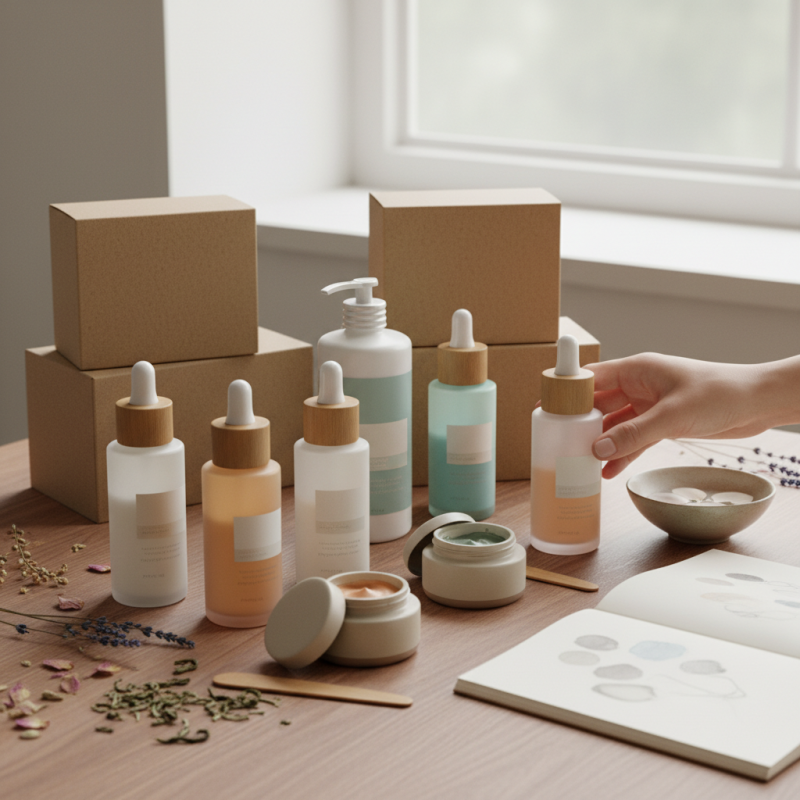
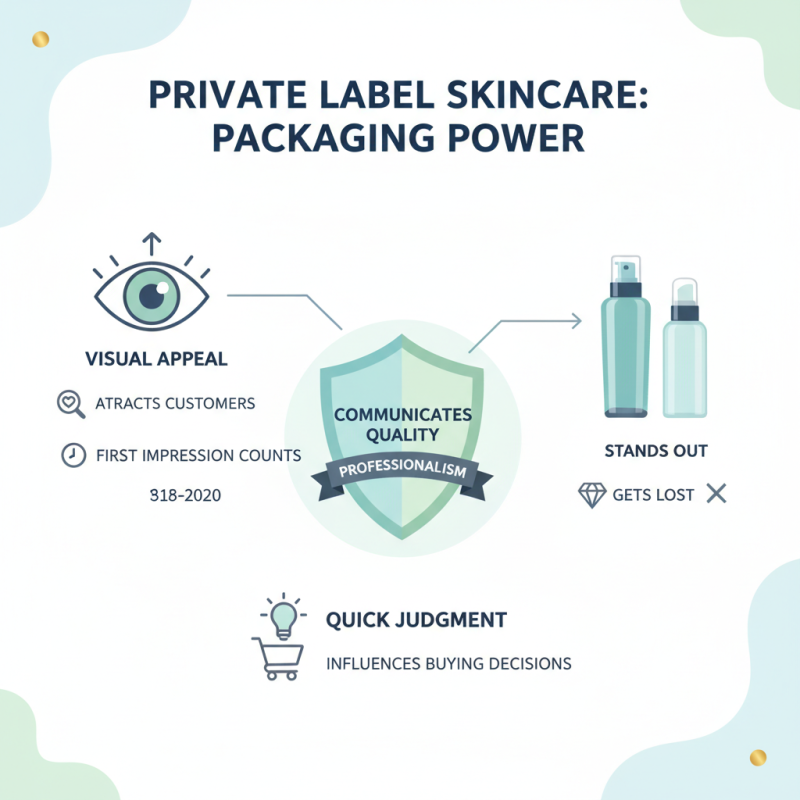
When selecting private label skin care products, packaging plays a crucial role. The visual appeal of a product can attract potential customers. Well-designed packaging communicates quality and professionalism. Consumers often make quick judgments based on how a product looks. A striking design can set your brand apart in a crowded market.
Consider the materials used in packaging. Eco-friendly options are increasingly popular. However, they can be more expensive. Balancing cost with sustainability is essential. Reflect on your target audience. Do they prioritize luxury or eco-friendliness? Sometimes, the perfect package might not resonate with your intended consumers.
Branding is equally important. Your brand identity must align with product offerings. Choose colors, fonts, and logos that reflect your values. Inconsistent branding can confuse customers. It's vital to create a cohesive image across all touchpoints. Yet, it's easy to overlook details in branding. A small misalignment can lead to lost sales. Emphasizing clarity and consistency will create trust and encourage customer loyalty.
Establishing Quality Control Standards for Private Label Skincare Products
Establishing quality control standards is crucial for private label skincare products. Consumers demand high-quality formulations. Reports show that 73% of customers are influenced by product quality when making a purchase. Brands must ensure their products meet safety and effectiveness standards. Testing ingredients for purity and stability is essential.
Consider incorporating multiple testing phases. Both microbiological and stability tests are key. A complete microbiological test can take weeks to produce results. Many brands overlook this step, risking customer trust. A quality product can yield higher sales, but shortcuts can lead to failures.
Supplier relationships matter too. Choose partners who adhere to strict quality protocols. It's vital to verify their certifications and past performance. Inspecting production sites can uncover hidden issues. Companies may face challenges when scaling up production. Consistency becomes harder to maintain. Each of these factors impacts your brand's reputation.
How to Choose Private Label Skin Care Products for Your Brand? - Establishing Quality Control Standards for Private Label Skincare Products
| Criteria |
Quality Control Standard |
Testing Method |
Frequency |
Responsible Party |
| Ingredient Safety |
Must meet safety standards and regulations |
Supplier compliance audits |
Every batch |
Quality Assurance Team |
| Efficacy |
Proven performance in clinical studies |
Clinical trials |
Annual |
Product Development Team |
| Packaging |
Must be tamper-proof and stable |
Visual inspections |
With each delivery |
Logistics Manager |
| Stability |
Products must remain effective for shelf-life |
Stability testing |
Every 6 months |
Research & Development |
| Labeling |
Must comply with local regulations |
Label reviews |
Before production |
Regulatory Affairs |