How to Choose Organic Skin Care Products for Healthy Skin?
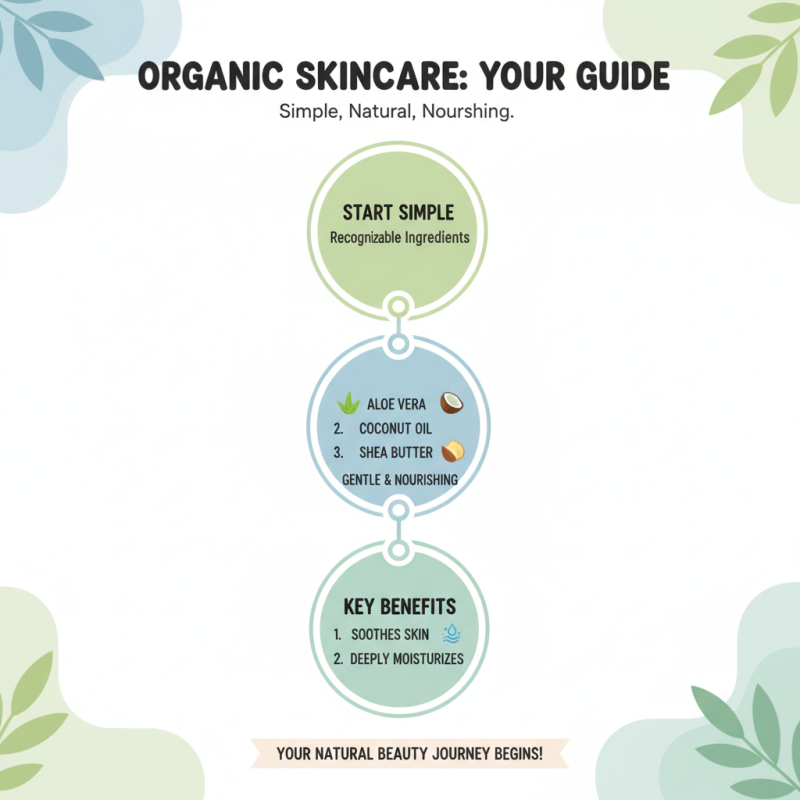
Choosing organic skin care products is essential for maintaining healthy skin. These products often contain natural ingredients. They are free from harmful chemicals found in many conventional products. However, not all organic brands are created equal. It can be challenging to find true quality products.
When selecting organic skin care products, consider your skin type. Each person’s skin has different needs. For example, those with sensitive skin should avoid certain essential oils. Reading labels carefully is vital. Look for certifications that ensure the product is genuinely organic.
The packaging can also be misleading. Some brands may use marketing tricks. Reflect on your choices and prioritize quality over branding. Investing time in understanding ingredients can lead to better health outcomes for your skin. Aim for a balance between effectiveness and natural composition. Choose wisely to foster a lasting commitment to your skin’s health.
Understanding Organic Skin Care: Benefits and Importance
Organic skin care products have gained popularity for their natural ingredients. These products often exclude synthetic chemicals. It's essential to understand their benefits for healthy skin.
One significant advantage of organic skin care is the reduced risk of irritation. Many conventional products contain harsh substances. In contrast, organic options rely on plant-based extracts. These can be more gentle on sensitive skin. However, not all organic products are created equal. Some may contain allergens or irritating essential oils. It’s crucial to read labels carefully.
Choosing organic also reflects a commitment to sustainability. Synthetic ingredients can damage the environment during production. Organic products often prioritize eco-friendly practices. Still, consumers should critically evaluate their choices. Not every product marketed as organic is effective. Some lack scientific backing. This highlights the importance of research and thoughtful selection in skin care.
Benefits of Organic Skin Care Products
Recognizing Certification Labels: Ensuring Authenticity
Choosing organic skin care products is about more than just marketing claims. Authenticity matters. Certification labels help consumers make informed choices. According to the Organic Trade Association, the organic beauty market is projected to reach $25.1 billion by 2025. This trend underscores the value placed on certified products.
When looking for certification labels, the USDA Organic seal is crucial. It signifies that a product meets strict standards. However, not all brands use this label. Some may display vague terms like "natural" or "eco-friendly." These can be misleading. A study by the Global Organic Textile Standard found that 30% of consumers struggle to identify genuine organic products.
Consumers should also consider the full ingredient list. Some items may contain organic ingredients but also harmful substances. A product can claim to be "organic" but still be harmful if mislabeling occurs. Transparency in sourcing and processing is vital. This inconsistency can create doubt. It's essential to educate oneself and look beyond surface claims.
How to Choose Organic Skin Care Products for Healthy Skin? - Recognizing Certification Labels: Ensuring Authenticity
| Certification Label |
Description |
Key Features |
| USDA Organic |
Products made with at least 95% organic ingredients. |
No synthetic additives, no GMOs, and verified by USDA. |
| Ecocert |
European certification for organic and natural cosmetics. |
Minimum of 95% natural origin ingredients. |
| COSMOS |
European standard for organic and natural cosmetic products. |
Focus on sustainability and environmental impact. |
| NAHA |
Certification by the Natural Products Association. |
Products must contain at least 95% natural ingredients. |
| Leaping Bunny |
Cruelty-free certification for cosmetic products. |
No animal testing at any stage of product development. |
Evaluating Brand Values and Practices: Sustainability Matters
When choosing organic skin care products, consider the brand's commitment to sustainability. Many brands claim to be organic, but their practices tell a different story. Look beyond the label. Investigate how the ingredients are sourced. Are they responsibly harvested? Are the production methods eco-friendly?
Next, evaluate their packaging. Plastic waste is a growing concern. Brands that prioritize recyclable or biodegradable materials make a positive impact. It reflects their values and dedication to the environment. But, are they transparent about their sourcing? Some companies may not disclose information, which raises questions.
Reflect on your shopping choices. Prioritize brands that embody sustainability, but be aware of "greenwashing." It's common practice among some companies to portray an eco-friendly image without genuine efforts. Pay attention to their certifications, community engagements, and environmental initiatives. Dig deeper to ensure your choices align with your values for a healthier planet and skin.
Conducting Patch Tests: Ensuring Skin Compatibility
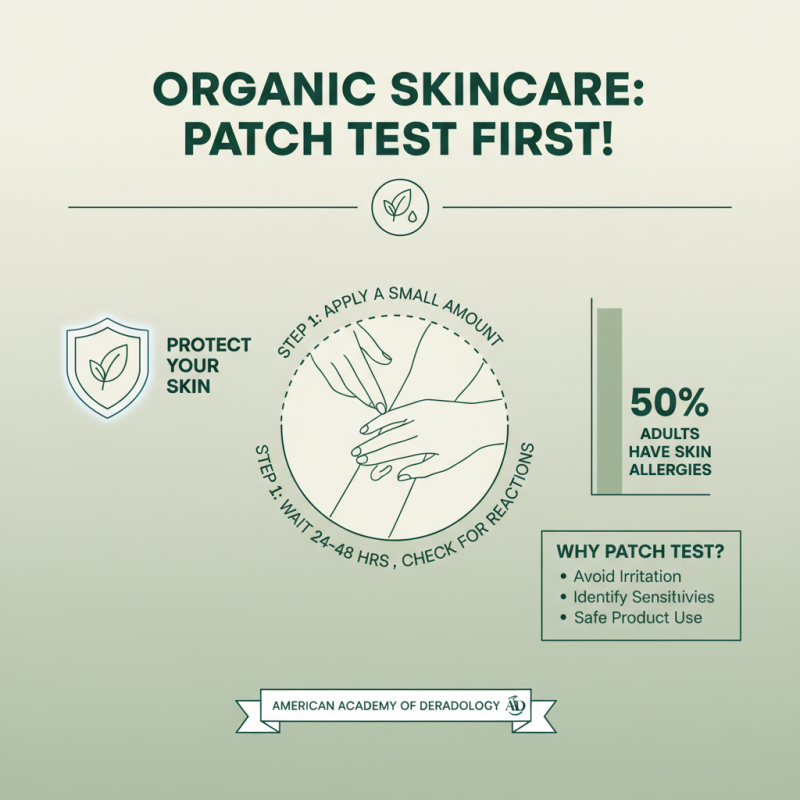
Conducting patch tests is essential before fully committing to organic skin care products. This step helps ensure that your skin can handle the ingredients without adverse reactions. According to the American Academy of Dermatology, nearly 50% of adults experience allergic reactions on their skin. The sensitive nature of some organic components can lead to unexpected irritations, so it's vital to test first.
To perform a patch test, apply a small amount of the product to a discreet area, like your inner arm. Wait for 24 to 48 hours and observe for any redness, itching, or swelling. This simple method can prevent severe reactions that could lead to significant discomfort. A report from the Journal of Investigative Dermatology notes that up to 30% of all dermatological consultations stem from product allergies. A patch test can significantly reduce your risk.
While organic products are marketed as safer, not all natural ingredients are universally safe. Even natural substances can provoke reactions. Some users may find that certain organic oils or extracts irritate their skin rather than soothe it. It's important to be aware that individual skin types respond differently. Continuous reflection on the effectiveness of products can help refine your skincare routine over time.