
How to Choose Biker Patches for Wholesale Buying?
Wholesale buyers need more than bold artwork when selecting Biker Patches. They need consistent quality, predictable margins, and designs that match real customer demand. The global apparel market remains highly competitive, while consumers increasingly expect products to feel personal and durable. McKinsey’s State of Fashion 2025 highlights continuing pressure on brands to improve value, differentiation, and inventory decisions. That pressure reaches patch suppliers too.
Details matter.
A reliable buying process begins with the patch’s purpose. Motorcycle clubs may prefer embroidered borders, dense stitching, and weather-resistant backing. Retail gift shops may favor smaller woven designs, brighter colors, and lower unit costs. Grand View Research’s textile and apparel analyses show how material innovation and product differentiation influence purchasing decisions across the sector. However, market reports rarely explain how a patch performs on a moving jacket. Practical testing remains essential.
Ask for physical samples before placing a large order. Check thread tension, edge cutting, adhesive strength, hook-and-loop performance, and color consistency under direct light. Compare the supplier’s sample with the approved artwork. Small differences become expensive across thousands of units. Intertek and SGS testing guidance also supports checking textile composition, colorfastness, and restricted substances where applicable. Requirements can vary by destination and product use.
Some buyers focus too heavily on the lowest quotation. That choice can weaken the final product. A cheaper backing may peel after rain, while loose stitching can damage a retailer’s reputation. Still, premium construction does not automatically guarantee sales. Forecast quantities carefully, review previous sell-through data, and negotiate realistic minimum order quantities. Even experienced buyers misjudge seasonal demand sometimes. A structured evaluation helps reduce that risk while protecting quality, compliance, and customer trust.
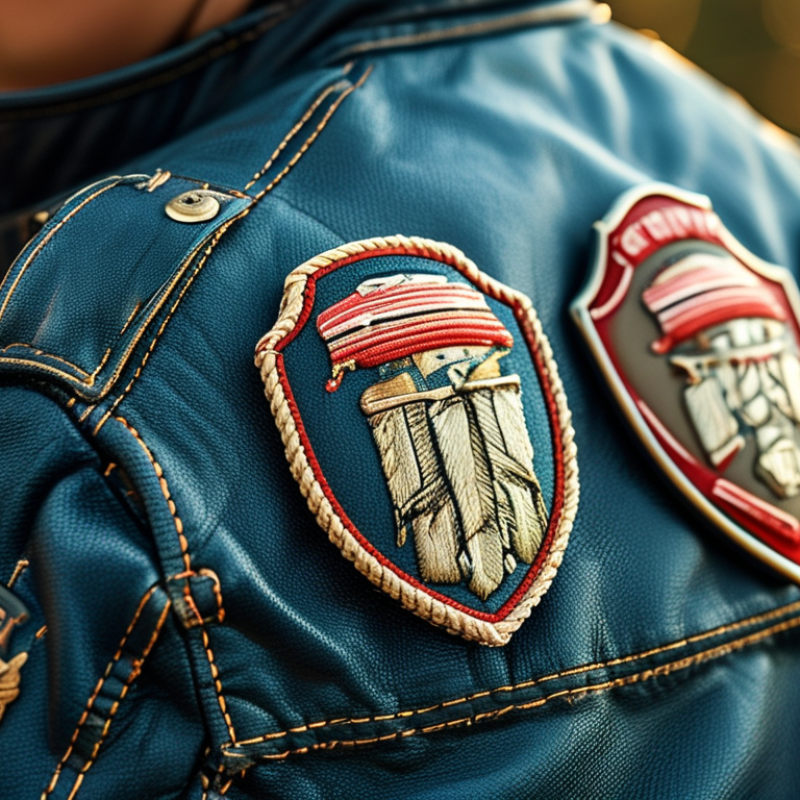
Table of Contents [Hide]
Understanding Biker Patch Types and Their Wholesale Uses
Wholesale biker patches work best when each type has a clear use. Embroidered patches offer raised texture, dense stitching, and a traditional appearance. They suit denim jackets, riding vests, and canvas bags. Woven patches show finer lettering and smaller symbols. They are useful for detailed artwork, but their flatter surface can feel less distinctive. PVC patches resist moisture and clean easily. They fit outdoor garments and utility bags, although some buyers dislike their plastic feel.
Demand supports careful selection. Grand View Research estimated the global embroidery market at approximately 1.5 billion dollars in 2023, with continued growth expected through 2030. Smithers also reported steady expansion in digitally printed textile applications in its Future of Printed Textiles to 2028 study. These figures suggest variety matters in wholesale buying. Stocking only one patch construction may limit repeat orders. A mixed sample set is safer.
For wholesale packs, combine classic embroidered designs with a few woven and PVC options. Offer several sizes, such as 7, 9, and 12 centimeters. Check edge stitching, hook backing, color consistency, and wash resistance before approving production. I once focused too heavily on artwork and missed uneven borders. That mistake increased sorting time. Buyers should also request a physical sample, not only a digital mockup. Small details become obvious under showroom lighting. Reflective thread can attract attention, but it may raise unit costs and complicate color matching.
How to Choose Biker Patches for Wholesale Buying? - Understanding Biker Patch Types and Their Wholesale Uses
| Patch Type | Construction and Appearance | Common Materials | Typical Wholesale Uses | Design Strengths | Important Buying Considerations | Best Product Positioning |
|---|---|---|---|---|---|---|
| Embroidered Patch | Raised stitched surface with a textured, traditional appearance. Coverage can range from partial embroidery to dense embroidery. | Embroidered thread, twill or felt base, merrowed or laser-cut edge, optional iron-on backing. | Club-style back patches, jacket chest patches, vest identifiers, event souvenirs and retail accessory displays. | Classic look Tactile texture Strong shelf appeal | Very small lettering and intricate gradients may lose clarity. Confirm stitch density, thread colors, edge finish and backing type before placing a bulk order. | Traditional motorcycle apparel and heritage-themed collections. |
| Woven Patch | Flat surface made from tightly woven threads, producing sharper details than standard embroidery at small sizes. | Woven polyester or similar textile base, stitched or laser-cut edge, optional adhesive backing. | Small chest emblems, sleeve patches, retail multipacks, detailed symbols and compact promotional designs. | Fine details Small text Smooth surface | It has less raised texture than embroidery. Check the minimum letter height, edge durability and color contrast for compact artwork. | Detailed logos, labels and smaller fashion-accessory patches. |
| PVC Patch | Flexible molded patch with a raised or recessed surface. It is commonly produced in one or more molded layers. | Soft PVC or comparable flexible polymer, sewn holes or hook-and-loop backing. | Riding gear, outdoor jackets, bags, tactical-style accessories, weather-exposed products and removable morale patches. | Water-resistant surface Easy to clean Bold relief | Confirm material flexibility, odor requirements, backing method, color limits and compliance documentation for the destination market. | Functional outdoor and utility-oriented product lines. |
| Leather or Faux-Leather Patch | Cut or engraved leather-look patch with a rugged, premium appearance. Edges may be stitched, heat-sealed or finished with decorative holes. | Natural leather, synthetic leather, polyurethane-based leather alternative or coated textile backing. | Premium jackets, denim vests, heritage collections, limited-edition merchandise and personalized apparel. | Rugged appearance Premium feel Suitable for engraving | Natural leather can vary in grain and color. Ask about thickness, odor, surface treatment, animal-origin documentation and care instructions. | Premium or vintage-inspired apparel ranges. |
| Chenille Patch | Soft, fuzzy, high-pile surface with a bold three-dimensional texture and strong visual impact. | Chenille yarn, felt or twill backing, embroidered borders and optional heat-seal backing. | Large back designs, varsity-inspired garments, statement jackets, club collections and fashion capsules. | High volume texture Soft hand feel Eye-catching | Fine lines and tiny lettering are not ideal. Review pile height, border quality, shape stability and cleaning instructions. | Large decorative patches and fashion-led streetwear products. |
| Printed Fabric Patch | Artwork is printed directly onto a textile base, allowing a smooth surface and broad visual reproduction. | Polyester, cotton, twill or canvas base with digital, screen or transfer printing. | Illustrated artwork, photographic graphics, colorful event merchandise, seasonal designs and short-run test collections. | Full-color artwork Smooth finish Flexible design | Request wash-test results and colorfastness information. Print quality depends on fabric texture, ink system and edge finishing. | Graphic-heavy collections and designs requiring many colors or tonal effects. |
| Reflective Patch | Includes a reflective surface or reflective yarn that returns light toward its source in low-light conditions. | Reflective textile, reflective film, embroidered thread or laminated fabric construction. | Night-riding apparel, safety-oriented bags, outerwear, commuting gear and visibility-focused accessories. | Low-light visibility Functional detail Distinctive effect | Do not present decorative reflectivity as certified personal protective equipment. Request performance information and test conditions where safety claims are needed. | Visibility-enhancing accessories and practical riding gear. |
| Hook-and-Loop Patch | Patch attaches to a compatible loop panel and can be removed or exchanged without permanently sewing it to the garment. | Embroidered, woven or PVC face with hook backing; loop panel may be supplied separately. | Interchangeable jacket panels, bags, riding equipment, event sets and collections with multiple graphic options. | Removable Interchangeable Reusable | Confirm hook-to-loop compatibility, attachment strength, panel dimensions and whether the loop base is included in the wholesale package. | Modular products and customers who frequently change patch designs. |
| Iron-On Patch | Patch has a heat-activated adhesive layer intended for attachment with a household iron or heat press. | Embroidered, woven or printed textile face with heat-seal adhesive backing. | DIY retail packs, apparel accessories, craft sections, promotional bundles and easy-application fashion products. | Easy application Retail friendly Low installation effort | Adhesion varies by fabric, heat, pressure and washing conditions. Include application instructions and recommend sewing for high-stress or frequently washed garments. | Consumer-friendly accessories and do-it-yourself customization. |
| Sew-On Patch | Patch is permanently attached by hand or machine stitching through the edge or designated stitch area. | Embroidered, woven, PVC, leather-look, chenille or printed textile construction. | Heavy jackets, denim vests, workwear, riding bags and products exposed to repeated movement or washing. | Secure attachment Versatile Repairable | Check edge thickness, stitch clearance, backing stiffness and compatibility with industrial sewing equipment or manual installation. | Durability-focused apparel and professional customization services. |
Wholesale selection note: Use embroidered or leather-look patches for a traditional and premium appearance, woven or printed patches for detailed artwork, PVC or reflective patches for functional products, and hook-and-loop patches for interchangeable collections. Before bulk purchasing, confirm dimensions, backing, color approval, wash performance, packaging, carton details and any destination-market compliance requirements.