How to Choose the Best Organic Skin Care Products for Your Skin Type?
Choosing the best organic skin care products can feel overwhelming. The market is flooded with options, and each claims to be the best. However, understanding your skin type is crucial. Not all products will suit everyone.
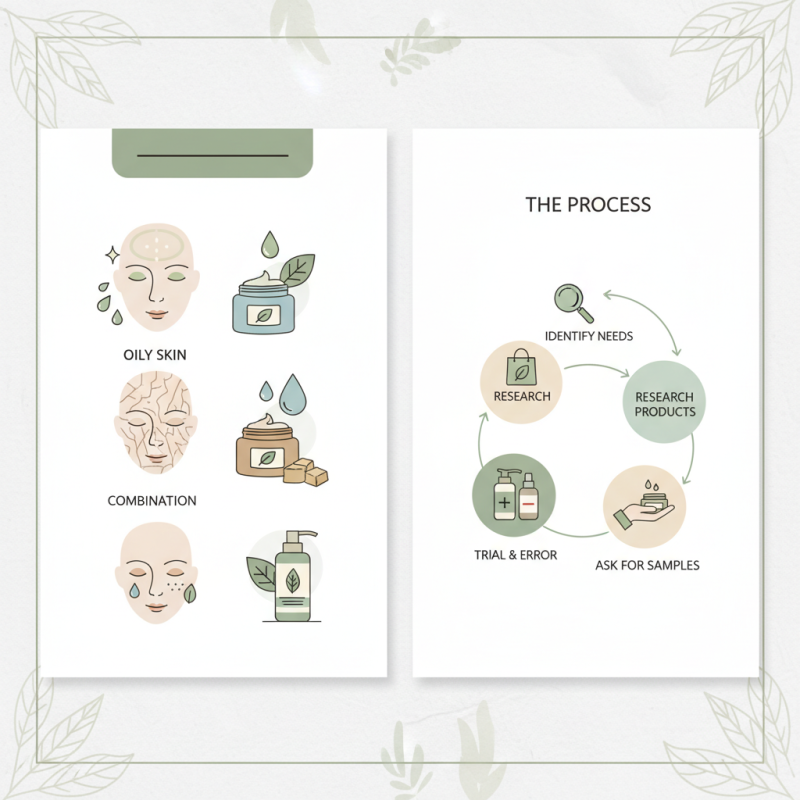
For example, oily skin may react negatively to heavy creams. On the other hand, dry skin might crave that extra hydration. Identifying your needs will guide your choices. Look for the best organic skin care products that match your unique requirements.
Remember, perfection doesn't exist. A product you love might not work for someone else. Always be open to trying different items. Some may irritate your skin, while others could work wonders. It's a process of trial and error. Also, don’t be afraid to ask for samples before committing to a full-sized product.
Understanding Different Skin Types and Their Needs
Understanding your skin type is crucial in selecting the best organic skin care products. There are four main types:
oily,
dry,
combination, and
sensitive. Each type has unique needs and requires tailored ingredients. According to the American Academy of Dermatology, approximately 50% of adults have oily skin. This type often benefits from lightweight, non-comedogenic formulas that don’t clog pores.
Dry skin affects nearly 40% of the population, often characterized by tightness and flakiness. Organic products containing hyaluronic acid and essential oils can provide hydration and nourishment. For
combination skin, which can be both oily and dry, balancing ingredients are essential. Many users report challenges in finding suitable products that address specific areas. This inconsistency can lead to confusion and disappointment.
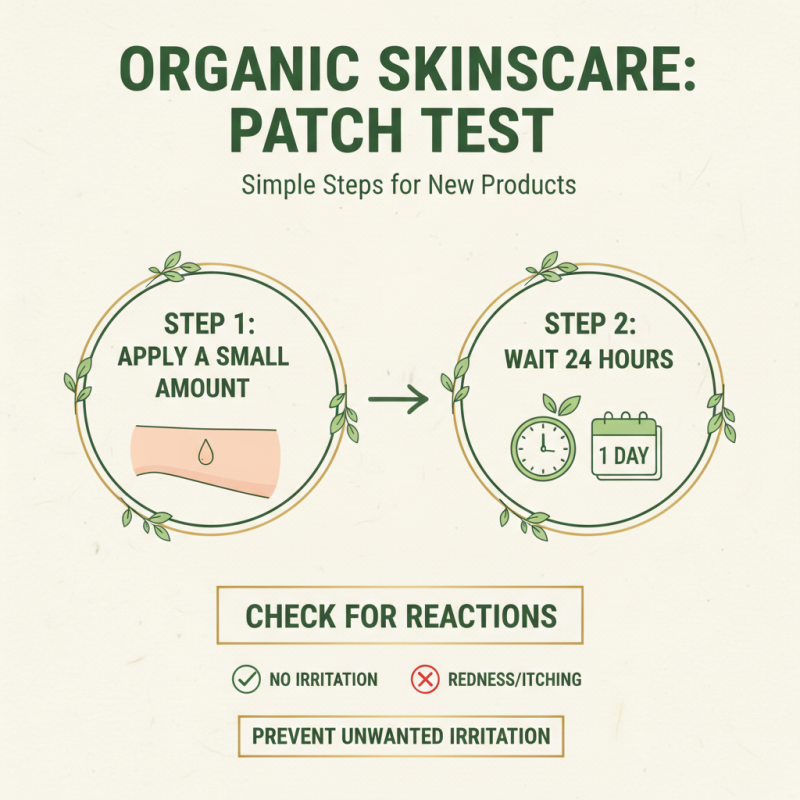
Sensitive skin, affecting roughly 30% of individuals, requires extra care. Products must be free from irritants and allergens. It's crucial to test new products on a small area first. Even with organic options, reactions can occur.
It's a reminder that not all natural ingredients suit every skin type. Regular patch tests can save you from potential irritations. Understanding your skin’s unique needs often requires patience and experimentation.
Ingredients to Look for in Organic Skin Care Products
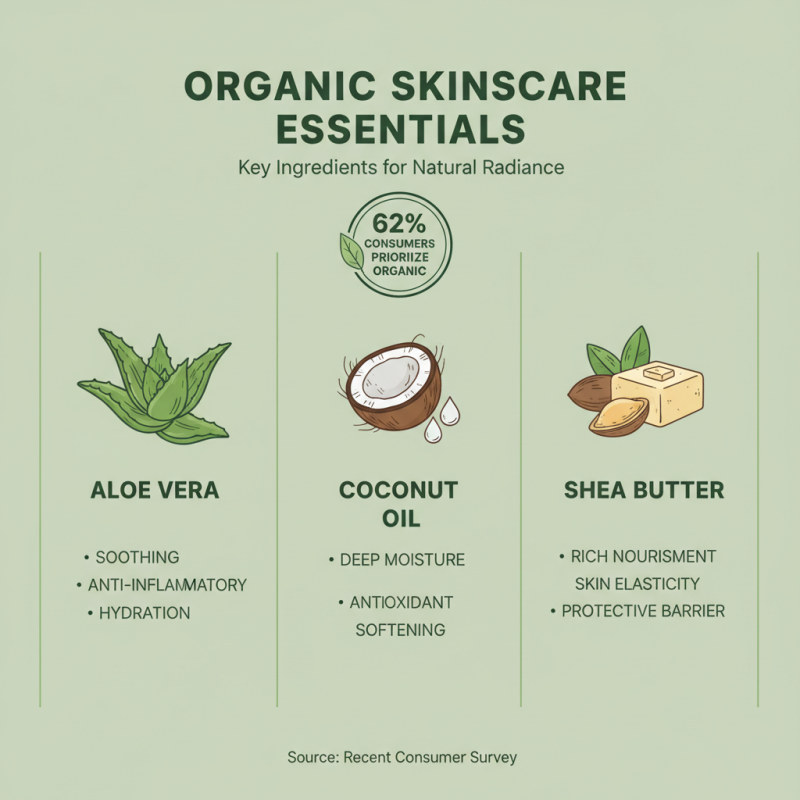
When selecting organic skin care products, it's vital to focus on natural ingredients. A recent survey showed that 62% of consumers prioritize organic ingredients. Key components like aloe vera, coconut oil, and shea butter are praised for their moisturizing properties. Aloe vera, for instance, is known for its soothing and anti-inflammatory benefits.
Look for products containing antioxidants, such as vitamin C and green tea extract. These ingredients can help combat oxidative stress caused by environmental pollutants. Research indicates that antioxidants can enhance skin radiance and reduce visible signs of aging. Yet, many may overlook important details about ingredient sourcing and purity. Organic labels can sometimes be misleading, so thorough research is essential.
Additionally, avoid products with synthetic fragrances and harmful preservatives. A study found that 30% of skin irritations stem from these substances. Many organic products, however, do not always indicate potential allergens clearly. This lack of transparency can lead to adverse reactions. Always patch test new products to understand how your skin responds, keeping in mind that “natural” doesn’t guarantee safety for everyone.
Assessing Product Labels: What Makes a Product Truly Organic?
When assessing product labels, the term "organic" can often be misleading. Many items claim to be organic but may not meet strict standards. To make a truly informed decision, look out for certifications. These labels can provide clarity about the product's quality and ingredients.
Tips: Check for USDA Organic certification. This ensures the product meets high organic standards. Look for ingredients that you recognize. A long list of chemicals often indicates lower quality.
Pay attention to how the ingredients are sourced. Organic products often highlight their sourcing practices. If the label doesn’t provide transparency, proceed with caution. It's important to recognize what works for your skin type.
Tips: Test products on a small area first to observe any reactions. Keep a list of ingredients that irritate your skin. This helps in avoiding potential allergens. Choosing skin care should feel empowering, not overwhelming. Trust your instincts as you evaluate these labels.
Building a Personalized Organic Skin Care Routine for Your Skin Type
Choosing the right organic skin care products can feel overwhelming. Each person’s skin is unique, having different needs. Understanding your skin type is crucial. Dry, oily, combination, and sensitive skin all require different care.
To build a personalized organic skin care routine, start with a thorough assessment. Consider how your skin feels throughout the day.
Does it dry out quickly, or does it feel greasy? Use gentle cleansers that match your skin type. Look for natural ingredients like aloe vera for hydration or tea tree oil for blemishes. Pay attention to how your skin reacts. Adjust your routine based on its response.
Moisturizing is essential for all skin types, but the formula matters. Light gels might work for oily skin while creamier textures suit dry skin better. Exfoliation is key too. However, don't overdo it.
Test new products gradually. Reflect on any irritation or discomfort. This habitual reassessment helps in crafting a routine that is truly personal. Tailoring your organic regime takes time and patience, yet can yield satisfying results.