How to Choose the Best Organic Skin Care Products?
Choosing the best organic skin care products can be overwhelming. Research shows that the organic skin care market is expected to reach $25 billion by 2025. Consumers are increasingly aware of the benefits of natural ingredients. Dr. Sarah Thompson, an expert in organic skin care, states, “Natural does not always mean safe, and the effectiveness varies widely.”
Many products claim to be organic, yet they may contain harmful additives. It's crucial to read labels carefully. According to a study published in the Journal of Cosmetic Science, nearly 30% of consumers struggle to identify truly organic products. This confusion leads to choosing products that may not meet expectations or health standards.
While organic skin care promotes a healthier lifestyle, not all options are equal. Some products may still cause irritation or allergies. You might find yourself asking if a product is genuinely effective. It’s important to research brands and their sourcing practices. Ultimately, informed choices can lead to better skin health and satisfaction.
Understanding Organic Skin Care Products: What Sets Them Apart
When exploring organic skin care products, it's essential to understand what truly sets them apart. Organic skincare is derived from natural ingredients without harmful chemicals. These products often contain botanicals, essential oils, and plant-based extracts. This makes them a popular choice for those seeking gentler options.
The sourcing of ingredients matters greatly. Many organic products are sourced from sustainable farms. This not only supports the environment but also often results in higher quality ingredients. However, it's crucial to note that the term "organic" is not always regulated. Some products might claim to be organic without fully meeting the criteria.
The benefits of organic ingredients include fewer irritants and allergens. However, not everyone achieves the desired results. Some may find that organic products do not work effectively for their skin type. Results can vary, and it may require trial and error to find the right product. Engaging with your skin's unique needs is an ongoing journey.
Understanding Organic Skin Care Products
This chart illustrates the key components found in organic skin care products and their average percentage in the formulation. Understanding these components can help consumers make informed choices when selecting organic skin care products.
Identifying Key Ingredients in Organic Skin Care Products
When selecting organic skin care products, identifying key ingredients is crucial. Look for natural oils like
jojoba, almond, or coconut. These ingredients nourish and moisturize the skin deeply. They are often rich in vitamins and essential fatty acids.
However, it is easy to overlook some less common ingredients. For example, consider the benefits of
aloe vera. This plant is known for soothing irritated skin. It can help reduce redness and inflammation effectively.
Another essential component is
antioxidants. Ingredients like green tea extract and vitamin C protect against free radicals. They help maintain youthful skin. However, sometimes, products may claim to be organic yet contain synthetic preservatives. Always read labels carefully. It can be confusing, especially with marketing jargon. Some terms may sound appealing but lack genuine benefits.
Using organic skin care can sometimes lead to unexpected reactions. A product that works wonders for one person may irritate another. Everyone's skin is unique.
Patch testing new products before full application is wise. This simple step can prevent unwanted surprises and reflect a responsible approach to skin care. Organic ingredients offer potential, yet they require thoughtful consideration.
Evaluating Certifications and Labels for Organic Claims
When choosing organic skin care products, evaluating certifications and labels is crucial. Many products claim to be organic, but not all are created equal. Look for certifications from reputable organizations. These certifications ensure that the products meet specific organic standards. However, be cautious—sometimes, brands use misleading labels. The term "natural" doesn't always mean organic.
Reading ingredient lists is essential. Organic products should have fewer synthetic components. Look for simple formulations with recognizable, whole ingredients. Avoid products with long, chemical-sounding names. They may not align with organic principles. It's also helpful to check the sourcing of ingredients. Sustainable sourcing often accompanies genuine organic claims.
While navigating the world of organic skin care, it's easy to make mistakes. A product might carry a certification, but deeper research might reveal issues. For instance, a brand may excel in one area but falter in another, such as animal testing. Always question what you see. Trust your instincts and dig deeper into claims. This thoughtful approach helps you make informed choices.
Assessing Your Skin Type and Needs for Product Selection
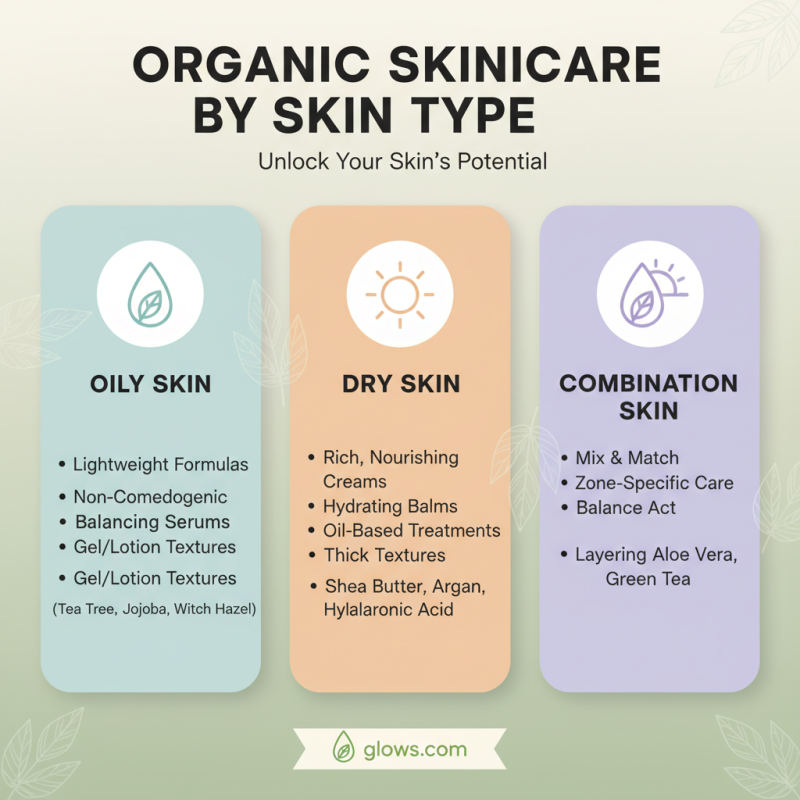
Understanding your skin type is crucial when selecting organic skin care products. Every skin type has unique needs. Oily skin often requires lightweight formulas. Dry skin benefits from rich, nourishing treatments. Combination skin can be tricky. You might need to mix and match products for different areas.
Begin by analyzing your skin’s behavior. Is it frequently dry, tight, or flaky? You might be dealing with dehydrated skin. If your skin is shiny, especially in the T-zone, it is likely oily. Noticing breakouts? Consider whether they are hormonal or related to your body’s reaction to certain ingredients. Do you experience redness or irritation? This could indicate sensitive skin that demands gentle, soothing ingredients.
Taking time to assess your own skin can be a challenge. It’s easy to overlook what it truly needs. Sometimes, we rush to buy the latest trending product without considering our specific requirements. This can lead to disappointment or worse, skin issues. Keep a journal of how different products affect your skin. It will help you identify what works best. Reflection is vital in this journey. Embrace the trial-and-error process, as it leads to a more personalized routine.
Exploring Brand Reputation and Customer Reviews for Informed Choices
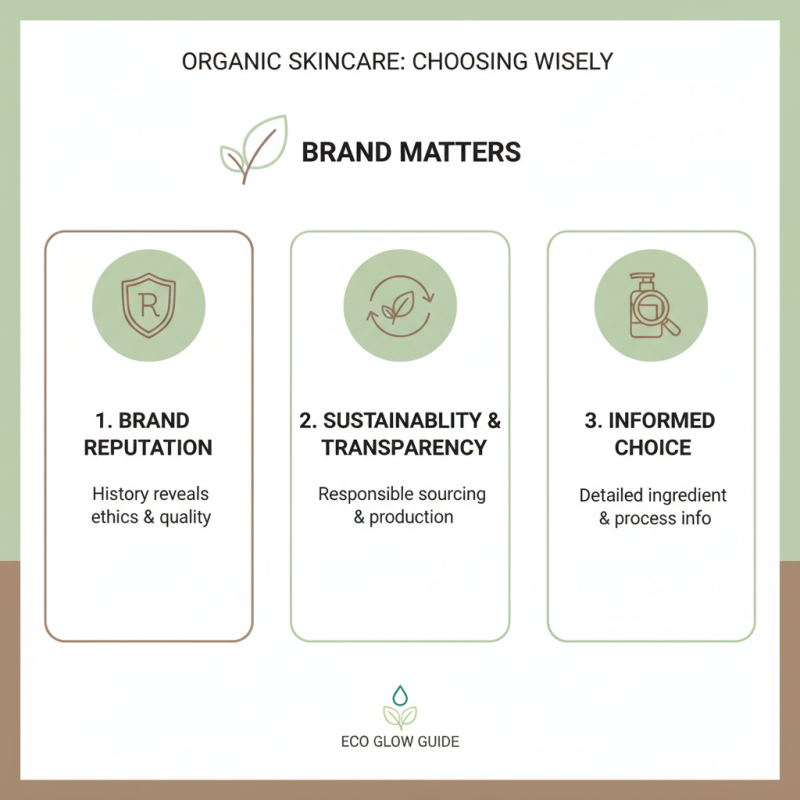
When choosing organic skin care products, brand reputation plays a vital role. A brand’s history can reveal a lot about its ethics and quality standards. Look for brands committed to sustainability and transparency. They are more likely to source ingredients responsibly. Check if they provide detailed information about sourcing and production practices.
Customer reviews are another crucial source of information. Genuine feedback can highlight both strengths and weaknesses of a product. A five-star rating can be enticing, but read beyond the glowing reviews. Sometimes, a single negative comment can point out significant issues. Pay attention to recurring themes in reviews. Ingredients, effectiveness, and skin reactions are commonly discussed.
Evaluating brand reputation and customer experiences requires time. You may feel overwhelmed by information. Yet, this process is essential for making informed choices. Reflect on your own skin type and concerns. What works for one person may not suit you. It’s about finding the right balance for your skin's needs.