
Choosing a Premium Dog Leash supplier requires more than attractive photographs and polished promises. A leash may look elegant online, yet fail when a large dog pulls suddenly. The right supplier combines dependable materials, controlled manufacturing, and clear communication. This guide explains how to examine those qualities before placing a serious order. It also considers details that buyers often overlook.
Start with the leash itself. Ask about webbing strength, coating quality, stitch patterns, clasp construction, and handle comfort. A responsible supplier should provide material specifications, sample options, and realistic production information. Inspect the sample under tension, near the seams, and around the swivel hook. Small details matter. Stitching should appear even, with no loose threads or sharp edges. Hardware should open smoothly and resist visible corrosion. Testing records can help, but they should identify methods and conditions, not merely display impressive numbers.
Supplier reliability also depends on traceability and service. Check whether the company can explain material sources, defect handling, and batch quality monitoring. Ask for packaging details and delivery timelines in writing. Independent certifications may support credibility, but certificates alone do not prove daily performance. No supplier is perfect. A stronger choice is one that admits limitations, answers difficult questions, and improves after feedback. This practical approach helps brands select a Premium Dog Leash partner with confidence, while allowing careful testing and honest review.
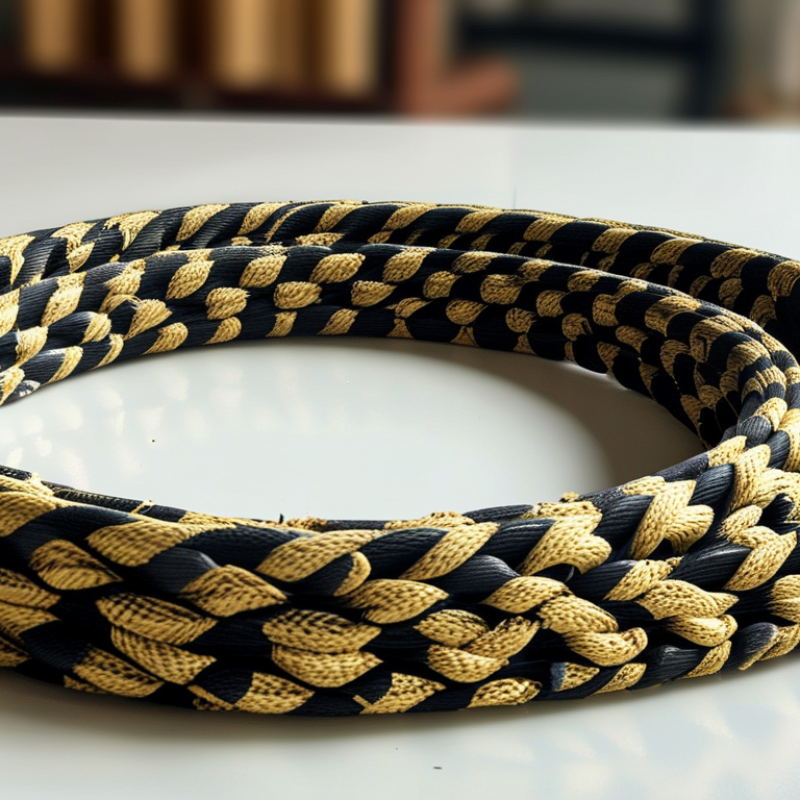
How to Choose a Premium Dog Leash Supplier?
A premium leash begins with dependable materials, not attractive packaging. Check whether the supplier identifies the webbing type, thickness, and coating clearly. Nylon feels flexible and resists abrasion, while polyester usually handles sunlight and moisture better. Leather can offer comfort, but it needs consistent finishing and careful care instructions. Avoid vague descriptions such as “high quality.” Ask for measurable details.
Look closely. Construction often reveals more than photographs. Examine reinforced stitching around the handle, clasp, and leash attachment point. Box stitching with cross patterns generally provides stronger reinforcement than a single straight seam. The clasp should open smoothly, close fully, and resist accidental twisting. Metal parts need smooth edges and suitable corrosion resistance. A practical supplier should explain load testing, inspection procedures, and batch records. Test more.
Product safety also depends on honest risk assessment. A leash designed for a small dog may fail under a powerful, sudden pull. Ask whether testing reflects real movement, wet conditions, repeated tension, and temperature changes. Suppliers should provide clear care guidance and warnings about damaged stitching or worn hardware. In one review, a visually strong leash showed slight thread loosening after repeated tugging. That detail changed the evaluation. No inspection is perfect, and laboratory results cannot replace regular checks by owners. Reliable suppliers welcome questions, document weaknesses, and improve designs instead of hiding them.
| Evaluation Area | Key Dimension | Recommended Premium-Supplier Standard | Verification Method | Priority | Weight |
|---|---|---|---|---|---|
| Materials | Webbing composition | High-tenacity nylon or polyester webbing with consistent width, thickness, and color throughout the production lot. | Review material specifications, incoming-material records, and representative samples from different production batches. | High | 12% |
| Materials | Resistance to abrasion | The leash surface should remain intact after repeated contact with common surfaces, hardware edges, and normal outdoor use. | Request documented abrasion-test results and inspect the webbing for fraying, fuzzing, or coating loss. | High | 10% |
| Materials | Moisture and UV performance | Materials should tolerate rain, sweat, mud, and regular sunlight exposure without rapid mildew, brittleness, or severe color degradation. | Check weathering, colorfastness, and moisture-resistance test data relevant to the intended market. | High | 8% |
| Materials | Handle comfort and skin contact | Use soft-edged webbing, smooth binding, or padded construction with no sharp seams or exposed material that can irritate the handler. | Perform a hand-feel inspection, examine seam edges, and test the handle during repeated walking simulations. | Medium | 7% |
| Construction | Stitching quality | Load-bearing areas should use dense, even stitching with secure bar-tacks or reinforced box-and-cross patterns; loose threads should be absent. | Inspect the leash visually and conduct repeated pull tests at the handle, clip loop, and adjustment points. | Critical | 15% |
| Construction | Snap hook and D-ring integrity | Hardware should close fully, resist accidental opening, and be securely attached with compatible, corrosion-resistant metal components. | Check closure action, gate alignment, weld quality, corrosion condition, and attachment strength under rated loads. | Critical | 15% |
| Construction | Load-bearing capacity | The complete leash assembly should be tested as a system, including webbing, stitching, hardware, and connection points. | Request product-level tensile or static-load test reports and confirm that the tested configuration matches the final product. | Critical | 14% |
| Construction | Dimensional consistency | Length, width, thickness, clip size, and handle opening should remain within defined production tolerances. | Compare inspection records with approved drawings and measure samples from the beginning, middle, and end of a production run. | High | 6% |
| Product Safety | Breakaway and entanglement risk | Designs should avoid unnecessary loops, sharp projections, weak swivel connections, or features that could trap paws, fingers, or collars. | Conduct a practical hazard review covering normal walking, tying, storage, and foreseeable misuse conditions. | Critical | 6% |
| Product Safety | Chemical and material safety | Dyes, coatings, adhesives, and metal finishes should be selected for intended consumer contact and controlled for restricted substances. | Review declarations of conformity and independent laboratory reports for applicable chemical and heavy-metal limits. | Critical | 4% |
| Supplier Control | Quality-management process | The supplier should maintain incoming inspection, in-process checks, final inspection, defect classification, and corrective-action records. | Audit the quality manual, inspection forms, sampling plan, traceability system, and recent corrective-action examples. | High | 3% |
Choosing a premium dog leash supplier starts with evidence, not attractive product photos. The APPA 2023–2024 National Pet Owners Survey reported that 66% of U.S. households owned a pet. That broad ownership base raises expectations for safer, more durable walking equipment. Ask how many years the factory has produced leashes, not merely exported pet goods. Request records for webbing strength, clasp cycling, stitching failure, and batch traceability. An ISO 9001 certificate shows a quality system, but it does not automatically prove leash safety. Check the certificate scope, issuer, validity, and exact manufacturing address. OEKO-TEX certification may support textile material claims, where applicable.
Capacity must be tested on the production floor. Compare stated monthly output with machines, trained operators, warehouse space, and recent orders. The American Pet Products Association’s 2024 State of the Industry report valued U.S. pet industry spending at approximately 150.6 billion dollars. That scale attracts capable factories—and optimistic paperwork. Request samples from normal production, then inspect edge binding, rivets, welds, and handle comfort. A supplier should explain test methods and provide dated reports from an independent laboratory. Do not accept a generic PDF. I would place a small pilot order before approving a large run. Measure defect rates, color consistency, packaging accuracy, and response time. This can expose weaknesses an audit misses. Certificates change. Factory habits drift. Recheck documents annually and retain approved samples for comparison.
A premium leash supplier should provide clear pricing, not vague estimates. Request a detailed quote for materials, hardware, packaging, and shipping. Compare equal specifications, such as nylon width, stitching, clip strength, and finishing. A lower price may hide thinner webbing or weaker metal components. Ask for samples before placing a large order. Hold them, bend the seams, and inspect the clip movement. Real handling reveals problems that photographs often conceal.
Customization can include colors, lengths, handle padding, woven labels, and packaging. Confirm which options affect the unit price. Minimum order quantities also deserve careful attention. A small trial order reduces inventory risk, but it may cost more per piece. I once focused too heavily on a low quotation and overlooked a long production schedule. That mistake delayed a seasonal launch. It reminded me to evaluate the entire supply process, not one attractive number.
Tips: Ask for a written production timeline with sample approval, manufacturing, inspection, and dispatch dates. Confirm whether lead times begin after payment or final artwork approval. Reliable suppliers should explain delays honestly and provide progress updates. Request material certificates or basic quality records when available. Test several leash samples under realistic pulling conditions. One sample is useful, but not always enough. Keep your comparison sheet simple. Record price, customization limits, minimum orders, lead times, replacement terms, and communication speed. Availability can change, so verify every detail before signing.
A premium dog leash supplier should prove quality before discussing volume. Request samples with different webbing, clips, stitching, and handle padding. Test each leash with wet hands, repeated pulling, and a week of daily walks. Inspect loose threads, sharp edges, weak welds, and uncomfortable pressure points. A polished sample can still hide inconsistent production.
Customer support reveals operational maturity. Ask how quickly the supplier answers technical questions and replaces defective samples. Request test reports, material specifications, inspection records, and traceable batch numbers. The American Pet Products Association reported that 66% of U.S. households owned a pet in its 2023–2024 National Pet Owners Survey. That large market increases the cost of unreliable accessories. Grand View Research also identifies growing demand for durable, functional pet accessories. However, market growth does not guarantee supplier reliability. I have learned that fast replies can be misleading when documentation arrives late.
Tips: Ask for a written response-time standard. Test samples outdoors. Keep photos of defects. Compare three production batches, not one.
Long-term reliability depends on measurable habits. Review delivery records, defect rates, material substitutions, and complaint handling. Ask whether the supplier can maintain the same clip strength and stitching quality after larger orders. A useful supplier admits limitations instead of promising everything. That honesty matters. Require a small pilot order, then inspect random units before scaling. Independent laboratory testing adds confidence, but it should support—not replace—your own handling tests. Choose evidence over attractive packaging and confident sales language.
Supplier assessment based on samples, customer support, and long-term reliability
Use this 100-point evaluation framework to compare suppliers consistently. Sample quality receives the highest weight because material strength, stitching, hardware security, and comfort can be verified before placing a large order. Customer support and long-term reliability should also be reviewed through response speed, warranty clarity, production consistency, and delivery performance.