
Buying canned vegetables in bulk looks simple until one damaged pallet, inconsistent drained weight, or unclear labeling disrupts your plan. Canned Green Peas can vary in color, texture, sweetness, sodium level, and liquid ratio. These details matter when serving hundreds of meals or filling retail shelves.
This guide presents ten practical tips for evaluating bulk purchases with greater confidence. It considers supplier experience, ingredient specifications, can sizes, case counts, shelf life, and storage conditions. Check the lot code and production date carefully. Examine cartons for moisture, dents, rust, or swollen cans. Small defects can signal larger handling problems.
Ask for samples before placing a large order. Taste one batch after chilling and another at room temperature. Texture may change more than expected. It is also wise to compare drained weight, not only the printed net weight. That comparison can reveal value differences between suppliers.
Reliable sellers should provide clear product sheets, allergen information, facility details, and consistent shipping records. However, paperwork is not proof of perfect performance. Follow up with references when possible. Confirm minimum order quantities, delivery windows, and replacement policies in writing.
Bulk buying rewards careful preparation. Still, not every decision will be flawless. A cheaper case may create extra waste if the peas arrive soft or poorly packed. Review your storage space, expected usage, and budget before committing. With practical checks and honest supplier communication, Canned Green Peas can become a dependable, cost-effective pantry choice.
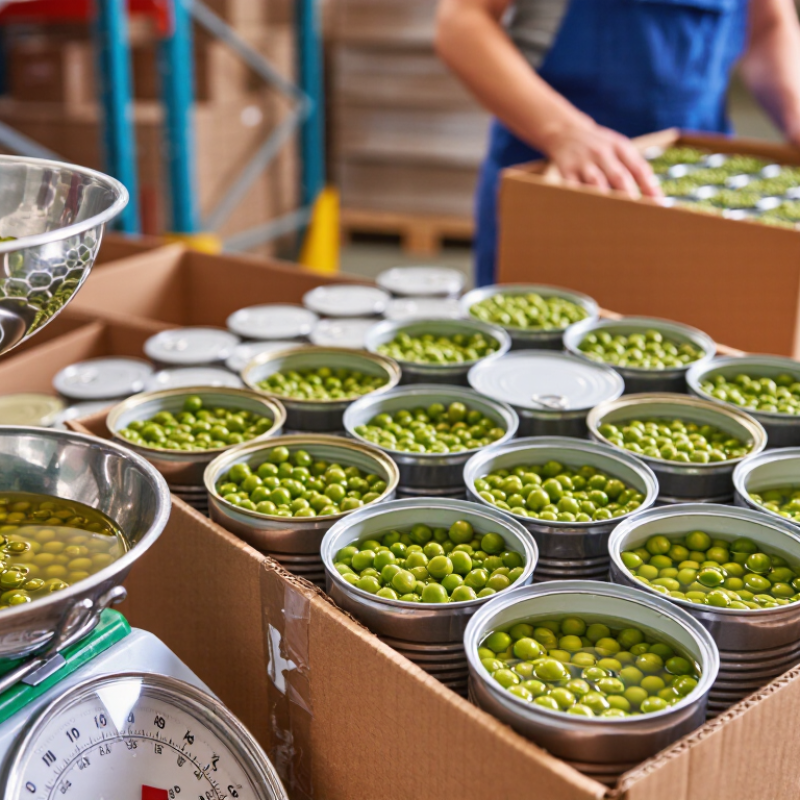
Define Your Bulk Canned Green Pea Requirements
Before buying, estimate how many servings your kitchen uses each week. Record both net weight and drained weight, because liquid can make cans look more economical than they are. A standard serving may be about half a cup, but recipes vary. Test your actual portions.
Tip: Measure one drained can.
Choose the can size according to your service pattern. Large cans suit cafeterias and meal preparation, while smaller cans reduce waste in slower kitchens. Check the case count, storage space, expiration dates, and delivery conditions. Cans should arrive clean, sealed, and free from severe dents, swelling, or rust around the seams. I once underestimated storage space, and several cases blocked a refrigerator entrance. That mistake was avoidable.
Compare ingredients and nutrition details carefully. Look for the pea variety, added salt, liquid type, and drained weight. Lower-sodium products may require seasoning during cooking, so include that labor in your cost calculation. Review the production date when available, then rotate older stock forward. Keep unopened cans in a cool, dry area away from direct sunlight. After opening, refrigerate unused peas in a covered food-safe container and follow local food-handling guidance.
Tip: Calculate cost per drained serving.
Your requirement should also include quality preferences. Decide whether texture, color, and pea size matter for your recipes. Soft peas may work well in soups but disappoint in chilled salads. Ask for a sample case when possible. Blind testing is useful, though my own tasting notes are sometimes inconsistent. Record the result anyway.
Estimated servings by common nominal can size can help you calculate how many cans are needed for meals, catering, or institutional food service.
Planning basis: one serving equals approximately 1/2 cup, or 80 g, of canned green peas. Estimates are calculated from nominal net weight; actual servings vary with drained weight and the product label. Common can sizes shown are 8.5 oz, 15 oz, 29 oz, and 108 oz.
Inspect every case before purchase. Cans should feel firm, dry, and clean. Avoid swelling, leaking, deep dents, or rust near seams. Damaged seams can compromise safety, even when the label looks normal. I once focused on a low price and ignored several dented cans. That was a poor buying decision.
Read the ingredient list carefully. A simple list may include green peas, water, and salt. Compare sodium levels per serving, not just per can. Also check serving size and drained weight, because liquid adds to the advertised net weight. Small details matter here. Look for a clear expiry date and lot code, then choose stock with reasonable shelf life.
Use nutrition information to match your actual menu. Choose lower-sodium options when the peas will enter soups, sauces, or casseroles. Check fiber, protein, and total carbohydrate values for meal planning. The label is useful, but it is not perfect; serving sizes may feel smaller than normal portions. For bulk orders, buy one case first if possible. Taste, texture, and softness can vary between production batches. Store unopened cans in a cool, dry cupboard, away from sunlight and damp floors.
Buying canned green peas in bulk requires more than finding the lowest case price. Compare suppliers through product specifications, delivery records, and responsive communication. Ask for harvest origin, can size, drained weight, ingredient list, and best-before dates. A supplier may quote a cheap case, but weaker drained weight changes the real value. Tip 1: Request two recent invoices and a product specification sheet. This reveals price consistency and basic quality controls. Small details matter.
Compare prices per kilogram of drained peas, not per can or case. Add freight, pallet fees, insurance, and possible storage charges before choosing. A 24-can case may suit a restaurant, while larger institutional cans reduce unit costs but create waste after opening. Check whether your kitchen can use each container quickly. Tip 2: Build a simple comparison table with case price, net weight, drained weight, package count, freight, and shelf life. I once focused too heavily on carton price and overlooked delivery costs. That was an avoidable error.
Package size also affects handling and food safety. Smaller cans offer flexibility, while larger cans need reliable refrigeration after opening. Compare pull-tab and standard-lid formats with your staff’s equipment. Ask about damaged-case policies and replacement timing. Tip 3: Order a small trial shipment before committing to a full pallet. Inspect can seams, dents, swelling, liquid clarity, pea color, and texture. Supplier claims are useful, but physical checks are stronger evidence.
10 Tips for Buying Canned Green Peas in Bulk
Check the storage area before placing a large order. Cans should sit in a cool, dry, well-ventilated room. Avoid locations near boilers, windows, sinks, or damp concrete floors. Heat can reduce quality over time. Moisture can encourage rust around seams. Ask the supplier about warehouse temperature and stock rotation. Reliable sellers should explain these conditions clearly. Inspect several cartons, not just one. Reject cans with deep dents, swelling, leaks, rust, or loose seams. Small label damage is usually less serious, but unreadable dates create unnecessary risk.
Read the best-before or expiration date on every case. Dates may differ between production lots. Choose the longest practical remaining shelf life for bulk purchases. Confirm whether the printed date refers to quality or safety. Local guidance and the package wording matter. Canned peas often retain good quality for a long period when unopened and properly stored. However, texture, color, and flavor can decline before the date. Do not treat an old date as a guarantee. Keep invoices and lot codes for inventory records. That detail helps with traceability if questions arise.
Use a first-in, first-out system at home or in a food service store. Mark the purchase month on each carton. Store cans at least a few inches above the floor. Rotate newer cases behind older ones. Check for bulging, hissing, unusual odors, or spurting liquid after opening. Never taste suspicious contents. I once overlooked a slightly rusty seam during a stock check. It was a useful reminder: bulk savings cannot replace careful inspection.
10 Tips for Buying Canned Green Peas in Bulk
Tip 1: Plan delivery around actual use. Ask suppliers for production dates, pallet dimensions, and estimated transit time. Canned peas are shelf-stable, but trucks and storage rooms should avoid freezing and prolonged heat. Tip 2: Check every case on arrival. Reject leaking, swollen, heavily rusted, or sharply dented cans. The FDA Food Code identifies damaged containers as potential safety hazards. Tip 3: Record lot numbers and received dates. This small step improves traceability.
Tip 4: Build a FEFO system: first expired, first out. The USDA FoodKeeper guide lists unopened low-acid canned foods, including peas, at about two to five years for best quality. That is guidance, not permission to ignore condition. Tip 5: Keep cartons off the floor, away from walls, and in a dry, clean room. Tip 6: Count stock weekly. A simple spreadsheet may expose slow movement before cans become forgotten. I have seen bulk savings disappear through poor rotation.
Tip 7: Store opened peas in covered, food-grade containers, not the original can. Tip 8: Refrigerate leftovers promptly at 4°C or below, following FDA Food Code controls. Tip 9: Label opening time and discard dates. Tip 10: Train staff to inspect color, odor, texture, and container integrity before service. When uncertain, discard it. Better waste than risk. USDA FoodKeeper and the FDA Food Code provide useful benchmarks, but local procedures still need regular review.
| No. | Buying and Operations Tip | Recommended Practice | Useful Planning Data | Safety or Quality Check |
|---|---|---|---|---|
| 1 | Estimate demand before ordering | Use recent usage records, planned menus, and seasonal demand rather than ordering only by case price. | Order quantity = expected usage during the coverage period + safety stock − usable inventory on hand. | Avoid excessive stock that may remain unused or exceed storage capacity. |
| 2 | Compare pack size with serving needs | Choose can sizes that match the number of portions normally prepared to reduce leftovers after opening. | Compare cost per drained kilogram or per 100 grams, not only cost per can. | Check declared net weight and drained weight because liquid contributes to net weight but not pea yield. |
| 3 | Confirm delivery timing | Schedule delivery when staff can inspect, count, and store the shipment promptly. | Allow time for receiving checks, stock entry, and shelf placement on the delivery day. | Do not accept cans that are leaking, swollen, severely dented, rusty, or missing required labels. |
| 4 | Inspect lot codes and dates | Record lot or batch information and review the date marking before putting products into storage. | Prefer stock with sufficient remaining shelf life for the planned consumption period. | Follow the date-label terminology and storage guidance required in the local market. |
| 5 | Use first-in, first-out rotation | Place older, usable cases in front of newer deliveries and label storage locations clearly. | Review canned-pea inventory at least monthly, or more often in high-volume operations. | Remove damaged cans immediately and document the reason for disposal. |
| 6 | Maintain suitable dry storage | Store unopened cans in a clean, dry, well-ventilated area away from direct sunlight and chemical products. | Keep cases off the floor and leave enough space for inspection, cleaning, and air circulation. | Avoid damp conditions and temperature extremes that can promote corrosion or quality loss. |
| 7 | Open cans hygienically | Wash hands, clean the can opener, rinse the can exterior, and transfer peas to a clean food-grade container after opening. | Use a batch or opening-time label when opened product will not be used immediately. | Never use contents from cans showing swelling, spurting liquid, unusual odor, or abnormal appearance. |
| 8 | Control opened-product storage | Refrigerate unused peas promptly in a covered container and follow local food-safety guidance for use-by timing. | Set an internal policy to use opened product as quickly as practical, commonly within 3 to 4 days when continuously refrigerated. | Keep the refrigerator at 4°C (40°F) or below and discard food left at unsafe temperatures. |
| 9 | Check ingredient and nutrition information | Compare added salt, ingredients, allergen statements, drained weight, and declared nutrition values for the intended menu. | Select lower-sodium options when appropriate and account for the effect of rinsing on recipe yield and seasoning. | Keep label information available for dietary, allergen, and traceability checks. |
| 10 | Track cost, waste, and reorder points | Review purchase price, edible yield, damaged units, leftovers, and actual usage after each ordering cycle. | Set a reorder point based on average weekly use, supplier lead time, and a defined safety-stock level. | Adjust future orders when usage changes or when repeated waste indicates an unsuitable case size. |
Note: Storage temperatures, date-label interpretation, and opened-food holding limits should follow applicable local food-safety regulations and the product label.