10 Best Natural Skincare Products for Glowing Skin in 2023
In the quest for radiant, glowing skin, many are turning to natural skincare products that promise not only effectiveness but also a gentler approach to beauty. As we step into 2023, the emphasis on using clean, non-toxic ingredients has never been more salient. The market is flooded with options, making it essential to understand which products truly deliver on their promises.
Natural skincare is not just a trend; it's a movement towards more sustainable and health-conscious beauty routines. By opting for products that harness the power of nature, individuals can nourish their skin without the harsh chemicals often found in conventional cosmetics. In this guide, we will explore the ten best natural skincare products that have captured the spotlight this year, focusing on their ingredients, benefits, and how they can help you achieve that coveted glow.
Whether you're a skincare novice or a seasoned enthusiast, understanding the value of natural formulations is crucial. Join us as we delve into these top picks and discover how to embrace a more radiant complexion through the transformative power of natural skincare.
The Rise of Natural Skincare: Market Growth and Consumer Preferences in 2023
The natural skincare market has witnessed significant growth in recent years, driven by a heightened consumer awareness regarding the ingredients in personal care products. By 2023, the global market value of skincare products is expected to reach approximately $618.31 billion, with a strong emphasis on organic formulations. This trend reflects a shift in consumer preferences towards sustainable and eco-friendly products, shaping the future of the cosmetics industry.
As the demand for natural skincare continues to rise, various segments are emerging, including skincare, haircare, and oral care products. Distribution channels are evolving as well, with hypermarkets, supermarkets, and specialty stores playing crucial roles in bringing these products to consumers. Furthermore, the Dead Sea minerals market is poised for growth, anticipated to reach $5 billion by 2032, underscoring the broader trend towards embracing natural, mineral-based solutions within skincare. The comprehensive market analysis highlights the resilience and expansion of sustainable personal care products, indicating a shift in consumer and industry dynamics that prioritizes integrity and health.
Top Natural Ingredients for Radiant Skin: Efficacy and Popularity Among Users
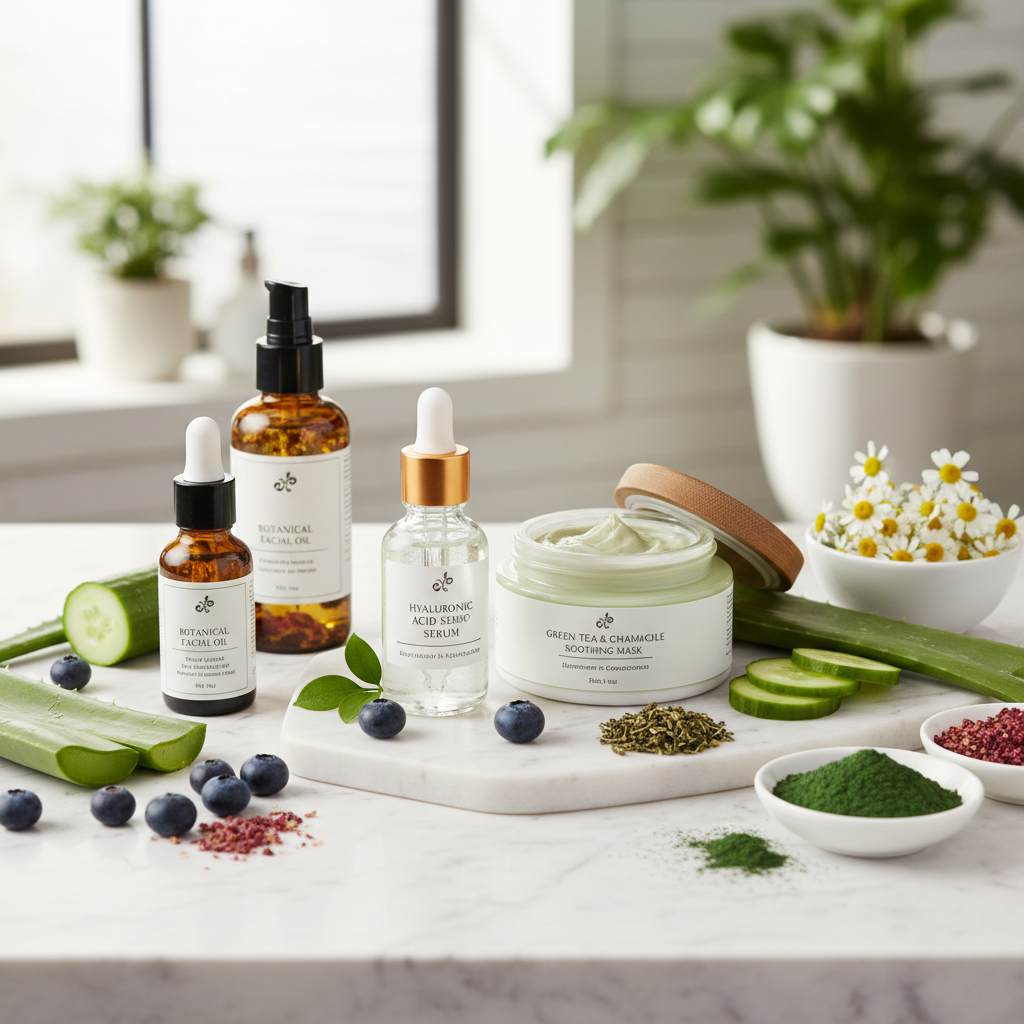
Natural skincare products have gained immense popularity in 2023, as more consumers prioritize clean and effective ingredients for their skincare routines. Among the wide array of options available, certain natural ingredients have emerged as top choices for achieving radiant skin. For instance, ingredients like hyaluronic acid, derived from plant sources, are celebrated for their ability to retain moisture, leaving the skin plump and glowing. Furthermore, botanical extracts such as green tea and chamomile are lauded for their soothing properties, providing anti-inflammatory benefits that enhance the skin's overall appearance.
Another standout ingredient is vitamin C, often sourced from citrus fruits, which is known for its powerful antioxidant properties. This vitamin not only brightens the complexion but also helps in repairing skin damage from environmental factors. Additionally, users have shown a growing preference for natural oils like jojoba and rosehip, which offer nourishment and hydration without clogging pores. The increasing efficacy and popularity of these ingredients reflect a shift towards sustainable and holistic skincare, allowing individuals to embrace their natural beauty while effectively addressing common skin concerns.
Consumer Trends: The Shift Towards Eco-Friendly and Sustainable Skincare
As consumer awareness around environmental issues grows, the skincare industry is witnessing a significant shift towards eco-friendly and sustainable products. According to a recent report by Grand View Research, the global organic skincare market is expected to reach $22 billion by 2024, driven by a rising demand for natural ingredients and ethical production practices. This trend reflects a broader consumer preference for products that not only enhance beauty but also prioritize health and environmental sustainability.
In 2022, a survey conducted by Mintel revealed that 56% of consumers are willing to pay more for sustainable beauty products, indicating a fundamental change in purchasing motivations. Amid this backdrop, brands are increasingly sourcing ingredients from renewable resources and adopting eco-conscious packaging solutions. Companies like Biossance and Tata Harper are at the forefront of this movement, employing innovative practices to reduce carbon footprints and promote transparency in their ingredient sourcing. As these trends continue to evolve, it’s clear that the future of skincare will be defined by its commitment to both the planet and the well-being of its consumers.
Clinical Data: Effectiveness of Natural Ingredients in Enhancing Skin Glow
The effectiveness of natural ingredients in enhancing skin glow has gained much attention, particularly as consumers increasingly seek products that are both effective and aligned with their wellness values. Clinical data supports the potential of various natural ingredients, such as plant extracts and essential oils, in providing measurable improvements in skin radiance. Studies have shown that antioxidants and anti-inflammatory compounds found in these ingredients can help brighten the complexion and reduce the appearance of uneven skin tone.
As skincare enthusiasts navigate the plethora of options on the market, specific formulations have emerged that combine scientifically-backed natural components with luxurious experiences. This trend reflects a broader movement within the beauty industry toward products that deliver not only visible results but also emotional value. The intersection of clinical efficacy and natural formulations is poised to shape consumer preferences, making the exploration of nature-inspired skincare products more relevant than ever.
Effectiveness of Natural Ingredients in Enhancing Skin Glow
Safety and Regulations: Ensuring Quality in Natural Skincare Products for 2023
As the natural skincare market continues to expand, ensuring the safety and quality of these products is paramount for consumers. According to a report by Grand View Research, the global natural skincare market is expected to reach USD 22.07 billion by 2024, highlighting a significant shift towards organic formulations. However, the lack of stringent regulations in many regions raises concerns about product safety and authenticity. In response, organizations such as the Cosmetics Ingredients Review (CIR) and the FDA emphasize the need for transparency in ingredient sourcing and safety testing to protect consumers from potentially harmful substances.
To address these safety concerns, many brands are seeking certifications that reinforce their commitment to quality. Third-party certifications, such as the USDA Organic seal and the EcoCert label, provide consumers with assurances that products meet strict safety and environmental standards. A recent survey by the Organic Trade Association revealed that 79% of consumers are willing to pay more for certified organic products, indicating a clear demand for transparency and accountability in the ingredients used in skincare. As the industry grows, both manufacturers and consumers must prioritize safety and regulations to foster a trustworthy environment for natural skincare enthusiasts in 2023 and beyond.