What Are the Benefits of White Label Cosmetics for Businesses?
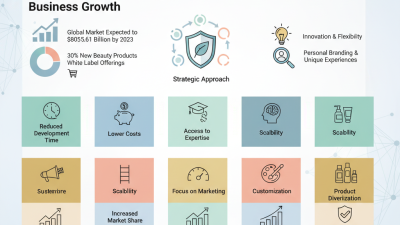
The global cosmetics market is projected to reach $758.4 billion by 2025, signifying tremendous opportunities for businesses. White label cosmetics offer a strategic advantage. They enable brands to enter this competitive space without the burden of product development. With white label options, companies can present high-quality products under their own brand identity swiftly.
In recent years, the demand for personalized beauty products has surged. According to a report by Statista, around 70% of consumers prefer brands that offer customization. White label cosmetics allow businesses to cater to this trend effectively. However, it is crucial to find reliable manufacturers who comply with industry standards. Companies must also be aware that not all white label products are of equal quality.
Choosing white label cosmetics can reduce overhead costs and save time. Nevertheless, businesses should critically assess potential partners to avoid subpar ingredients or formulations. While the benefits are clear, a careful approach is essential to ensure both reputation and consumer trust remain intact.
Benefits of White Label Cosmetics: An Overview of Market Growth
The white label cosmetics market is experiencing significant growth. Many businesses are turning to this strategy for its various advantages. Companies can brand products without the need for large-scale production. This results in reduced costs and lower risks.
Customization plays a key role in attracting clients. Businesses can offer unique formulations that reflect their vision. However, the quality of the products must not be compromised. When selecting a supplier, it's essential to assess their reputation and reliability. Companies should conduct thorough research to ensure that the products meet industry standards.
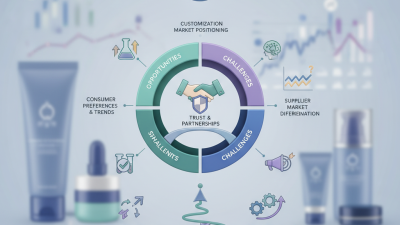
Despite the benefits, there are challenges. Brand differentiation can be difficult in a crowded market. Many businesses struggle to establish their identity. This can lead to confusion among consumers. Therefore, consistent branding and marketing efforts are crucial. Businesses must continually refine their approach to stay competitive in an evolving landscape.
Cost Efficiency in Production: Savings with White Label Solutions
White label cosmetics offer an efficient solution for businesses looking to enter the beauty market without the high costs. With white label products, brands can save significantly on production expenses. They avoid the costs associated with research and development. This approach allows new businesses to allocate their budget more effectively.
Outsourcing production means lower overhead for companies. Businesses can benefit from established manufacturing processes, ensuring quality while reducing time to market. The challenge arises in choosing the right supplier. Not all white label vendors guarantee the same quality. A careful selection process is essential.
The ability to customize products adds value but may require additional investment. Brands must balance the desire for uniqueness with budget constraints. The potential for unexpected costs can arise. Therefore, consistent communication with suppliers is crucial. A transparent relationship can minimize misunderstandings and enhance trust, ensuring both parties thrive in this competitive landscape.
What Are the Benefits of White Label Cosmetics for Businesses? - Cost Efficiency in Production: Savings with White Label Solutions
| Cost Factor |
Traditional Production |
White Label Production |
Savings (%) |
| Initial Setup Costs |
$50,000 |
$20,000 |
60% |
| Production Time |
3 months |
1 month |
67% |
| Minimum Order Quantity |
1,000 units |
100 units |
90% |
| Customization Costs |
$20,000 |
$5,000 |
75% |
| Quality Control Costs |
$10,000 |
$2,500 |
75% |
Brand Customization Opportunities: Enhancing Brand Identity
Brand customization is a vital aspect for businesses looking to carve their niche. White label cosmetics provide the perfect canvas for companies to express their unique identity. By choosing formulations, scents, and packaging designs, brands can create products that resonate with their target audience. This tailored approach enhances brand recognition and fosters customer loyalty.
Beyond aesthetics, customization can influence purchasing decisions. A well-designed product line can attract customers in a crowded market. Companies can experiment with colors and labels, reflecting the values they wish to portray. However, businesses must be careful not to stray too far from their core identity. The balance between creativity and brand message is crucial.
While white label options provide flexibility, they can also pose challenges. Relying too heavily on trends may dilute a brand's uniqueness. Brands need to assess the long-term implications of their choices. A thoughtful approach ensures the customized products align with their overall strategy. Achieving harmony between customization and brand identity is an ongoing journey for many businesses.
Benefits of White Label Cosmetics for Businesses
This bar chart illustrates the key benefits of white label cosmetics for businesses, focusing on brand customization opportunities along with factors such as cost-effectiveness, market accessibility, faster time to market, and quality control. Each benefit is represented by its significance, showcasing how these aspects contribute to enhancing brand identity for businesses in the cosmetics industry.
Access to Established Supply Chains: Improving Operational Efficiency
White label cosmetics provide businesses with unique advantages. One significant benefit is access to established supply chains. This access helps companies streamline their operational processes. By partnering with manufacturers who already have robust logistics in place, businesses can reduce their time to market. This efficiency is crucial in the fast-paced beauty industry, where trends change rapidly.
Many companies struggle with stocking inventory. Utilizing a white label approach can alleviate this problem. Businesses can focus on branding and marketing while leaving production to trusted partners. This strategy allows for flexibility in product offerings without the overhead of managing complex supply chains.
When considering a white label strategy, it's important to assess the reliability of suppliers. Not every partnership will be beneficial. Take time to research and ask for references. Building a solid relationship with a supplier can lead to better pricing and terms. Don’t rush into contracts; ensure that expectations are clear on both sides. This diligence can lead to more sustainable growth and brand recognition in the competitive cosmetics sector.
Consumer Trends: Increasing Demand for Customizable Beauty Products
The beauty industry is witnessing a notable shift towards customizable products. Consumers crave unique solutions that cater to their individual needs. This trend reflects a broader desire for personalization. Many brands are recognizing this demand and are adapting accordingly. They aim to foster a connection with their customers.
Customizable beauty products offer more than just aesthetics. They allow consumers to express their individuality through tailored solutions. These products can range from personalized skincare regimens to bespoke makeup colors. The engagement factor is significant. Customers enjoy being part of the creation process. However, not all brands meet this challenge effectively. Some struggle with quality consistency and overcomplicate the customization process.
Furthermore, the pressure to stay trendy can lead brands to overlook the basics. Some may rush their product development in pursuit of what's popular. This might result in overlooking the specific needs of their customers. Ultimately, navigating the market requires a careful balance. Meeting consumer demands while ensuring quality is crucial for success.