How to Achieve Clean Skin Care for Healthy Radiant Skin?
Achieving clean skin care is essential for a radiant complexion. Many people desire healthy skin but face challenges. The journey to clean skin can sometimes feel overwhelming. Various products promise results, yet some may not deliver.
Understanding clean skin care goes beyond surface treatments. It requires knowledge of ingredients and products. Not every product is suitable for all skin types. Clean skin care can be a personal exploration. This process involves trial and error, leading to occasional setbacks.
Incorporating clean skin care principles promotes healthier skin. Focus on natural ingredients that nourish and protect. Discover what works for you, even if that means trying multiple options. Acknowledge the imperfections in your skin journey. Celebrate the small victories, while staying committed to improvement.
Understanding the Importance of Clean Skin Care for Healthy Skin
Clean skin care is crucial for achieving healthy, radiant skin. The skin is our body's largest organ. It acts as a barrier against environmental pollutants and harmful substances. According to the World Health Organization, nearly 90% of skin aging is attributed to external factors. This highlights the need to invest in clean and safe skin care products.
Clean skin care means using products free from harmful chemicals. Ingredients should be natural and minimally processed. A report by the Cosmetic Ingredient Review found that some synthetic additives can cause irritation or allergic reactions. This is particularly concerning for sensitive skin types. Using clean products reduces the risk of such adverse effects.
Moreover, the global beauty market trends show a rising demand for clean beauty. Research indicates that over 70% of consumers prefer products labeled as "clean" or "natural." However, not all products marketed as clean are truly safe. Consumers must educate themselves about ingredients. Staying informed helps make better choices for skin health. It’s important to scrutinize labels and understand what goes into the products we use daily.
Choosing the Right Cleanser for Your Skin Type
Choosing the right cleanser for your skin type is crucial for achieving healthy, radiant skin. According to a report from the American Academy of Dermatology, appropriate cleansing helps maintain skin barrier function and hydration. Different skin types require different approaches. Oily skin, for example, benefits from gel-based cleansers that can effectively reduce excess sebum.
Alternatively, dry or sensitive skin types may respond better to cream-based or hydrating cleansers. The National Center for Biotechnology Information suggests that a pH-balanced cleanser may protect the skin’s microbiome while effectively removing impurities. Many people don’t realize the importance of reading ingredient labels. Common harsh ingredients can exacerbate skin conditions, leading to irritation and breakouts.
It’s also important to reflect on your cleansing routine. Some may cleanse too often or too infrequently. According to the skincare industry’s research, over-cleansing can strip the skin of natural oils, causing a rebound effect that leads to more oil production. Finding the right balance and adjusting your regimen can yield significant improvements in skin condition, but it takes time and experimentation.
How to Achieve Clean Skin Care for Healthy Radiant Skin? - Choosing the Right Cleanser for Your Skin Type
| Skin Type |
Recommended Cleanser Type |
Key Ingredients |
Benefits |
| Oily |
Foaming Cleanser |
Salicylic Acid, Tea Tree Oil |
Controls oil, unclogs pores |
| Dry |
Cream Cleanser |
Hyaluronic Acid, Glycerin |
Moisturizes, soothes dryness |
| Combination |
Gel Cleanser |
Aloe Vera, Chamomile |
Balances oil, hydrates skin |
| Sensitive |
Micellar Water |
Cucumber Extract, Witch Hazel |
Gentle cleansing, reduces redness |
| Normal |
Hydrating Cleanser |
Vitamin E, Coconut Oil |
Maintains moisture, promotes glow |
Establishing a Daily Skin Care Routine for Best Results
Establishing a daily skin care routine is crucial for achieving and maintaining healthy, radiant skin. Start with a gentle cleanser, preferably one that matches your skin type. Cleansing removes dirt and excess oil without stripping away natural moisture. Use lukewarm water to avoid irritation. Follow up with a hydrating toner to balance your skin's pH levels. The right toner can feel refreshing and prepare your skin for further products.
Next, consider incorporating a lightweight moisturizer. Even if your skin is oily, hydration is still vital. Look for ingredients like hyaluronic acid. This powerful ingredient attracts moisture and keeps your skin plump. Don't forget sunscreen during the day. UV protection is essential, even on cloudy days. Reapply every two hours if you're outside.
Consistency is key, but it’s okay to tweak your routine. Your skin may react differently due to weather changes or stress levels. Listen to your skin—if a product feels uncomfortable, it’s okay to swap it out. Monitor how your skin responds and adapt your routine accordingly. This personal touch will ultimately lead to healthier, glowing skin.
How to Achieve Clean Skin Care for Healthy Radiant Skin?
Incorporating Natural Ingredients for Radiance and Nourishment
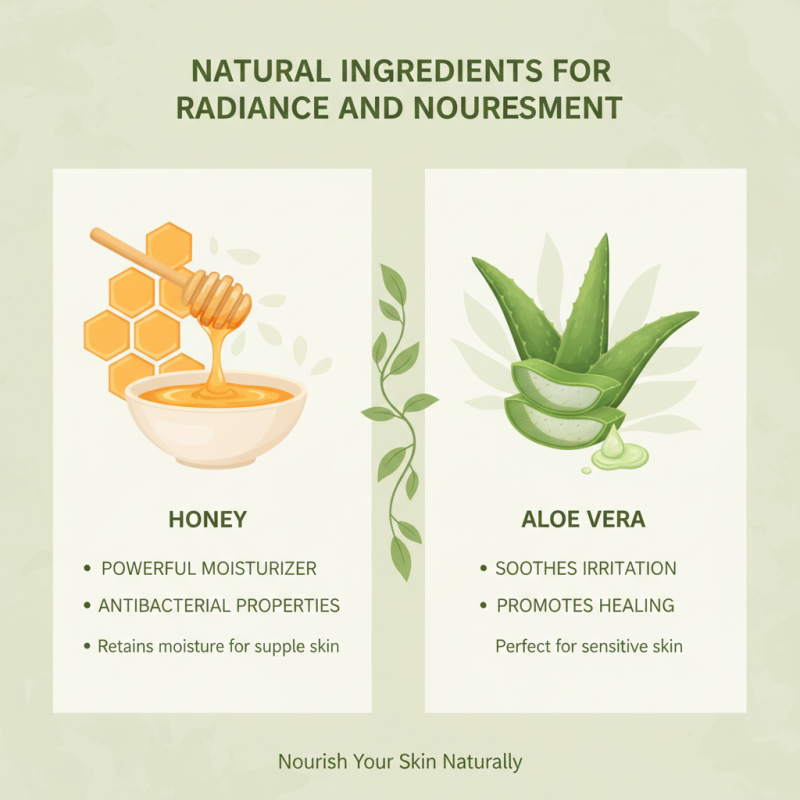
Achieving healthy, radiant skin involves more than just a routine; it’s about the ingredients you choose. Natural components bring nourishment and life to the skin. For instance, honey is a powerful moisturizer and has antibacterial properties. Its sticky texture helps retain moisture, making your skin supple. Aloe vera is another gem; it soothes irritation and promotes healing, perfect for sensitive skin.
Incorporating plant oils can enhance your skincare too. Jojoba oil closely resembles the skin's natural oils. It absorbs easily without leaving a greasy residue. Coconut oil can hydrate deeply, but be cautious if you have oily skin. Also, consider exfoliating with natural ingredients like sugar or oats. They gently remove dead skin cells without harsh chemicals, revealing a brighter complexion.
Remember, using natural ingredients can lead to unexpected challenges. Skin reactions vary from person to person. What works for one may not work for another. So, patch test any new product before applying it to your face. Listen to your skin and adjust your routine accordingly. Your journey to radiant skin is unique, and it requires patience and observation.
Protecting Skin from Environmental Damage for Lasting Health
Environmental factors significantly impact skin health. Exposure to pollution, UV radiation, and harsh weather can damage the skin barrier. According to the World Health Organization, about 90% of skin aging is attributed to environmental exposure. These elements can lead to conditions such as dryness, premature aging, and increased sensitivity.
To protect your skin, consider incorporating antioxidants into your routine. Ingredients like vitamin C and E can neutralize free radicals caused by pollution. A study published in the Journal of Clinical Dermatology highlighted that applying antioxidants significantly reduced signs of environmental damage after 12 weeks. Additionally, daily application of sunscreen is crucial. Even on cloudy days, UV rays penetrate the atmosphere and harm the skin.
Moreover, maintaining hydration is vital. Dry skin exacerbates damage, making it more susceptible to environmental stressors. According to a report by the American Academy of Dermatology, individuals with well-hydrated skin experience improved barrier function and resilience. It’s necessary to reassess your routine. Are you adapting to changing weather conditions? Reflecting on your skin's needs can lead to meaningful improvement.