How to Achieve Clean Skin Care for a Healthy Glow?
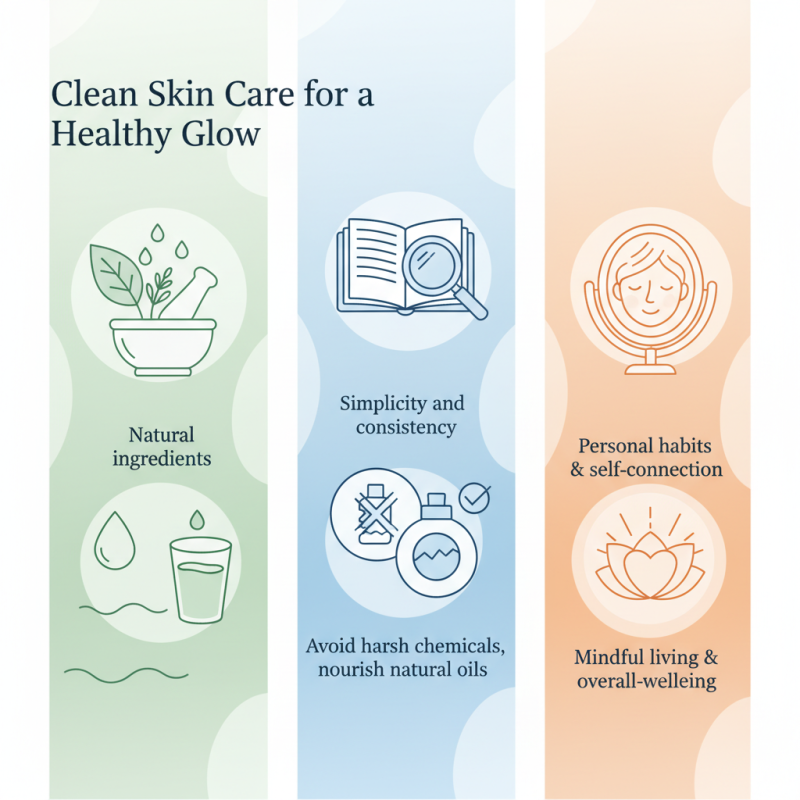
Achieving clean skin care is essential for a healthy glow. This journey often feels overwhelming. There are countless products and routines promising results. Yet, the core of clean skin care lies in simplicity and consistency.
When adopting clean skin care practices, focus on natural ingredients. Avoid harsh chemicals that can irritate the skin. Look for products that nourish rather than strip away natural oils. Hydration is key. A well-hydrated complexion appears vibrant and fresh. However, many overlook this crucial step. The ideal routine should gently remove impurities without over-cleansing.
Reflecting on personal habits is vital. Are there products in your routine that are causing breakouts? It is important to evaluate your skincare choices regularly. Incorporating clean skin care not only benefits the skin. It promotes a deeper connection to oneself and encourages mindful living. Embracing this holistic approach can transform not just appearance, but overall well-being.
Understanding the Basics of Clean Skin Care for Radiance
Clean skin care focuses on simple, effective routines. Many people chase products that promise radiant skin. However, achieving a healthy glow starts with understanding what your skin needs. It’s essential to know your skin type. Oily, dry, or combination skin requires different care strategies.
Basic steps include cleansing, moisturizing, and protection. A gentle cleanser removes dirt without stripping natural oils. This is crucial, as harsh ingredients can irritate the skin. Moisturizers hydrate and maintain the skin barrier. Sunscreen protects against harmful UV rays.
Sometimes, the quest for perfection leads to using too many products. Overloading your skin can cause breakouts or irritation. It's important to simplify. Listen to your skin’s response and adjust your routine. Reflection can guide you toward what truly works. Aim for balance and nourish your skin mindfully. Small changes can lead to significant improvements.
Identifying Your Skin Type and Its Unique Needs
Understanding your skin type is essential for achieving clean skin and a healthy glow. Research indicates that about 70% of people do not know their skin type. This can lead to using inappropriate products that may worsen existing issues. For instance, oily skin can easily become overwhelmed by heavy creams, while dry skin may react poorly to alcohol-based cleansers.
Identifying whether your skin is oily, dry, combination, or sensitive is crucial. Oily skin often requires lighter, non-comedogenic products, as excess sebum can lead to breakouts. A study showed that nearly 40% of individuals with oily skin deal with acne due to improper product choices. For dry skin, hydrating ingredients like hyaluronic acid are vital, yet some may overuse them, causing irritation or a tight feeling. Sensitive skin also poses unique challenges; these individuals might react negatively to common ingredients, leading to redness or discomfort.
Reflection is key in this journey. Many overlook the need to patch-test new products. It’s easy to blame external factors for skin issues, but sometimes the solution lies in better understanding your skin and its reactions. Finding the right balance takes time, effort, and honest observation.
Key Ingredients for a Healthy Glow in Skin Care Products
Achieving a healthy glow starts with understanding skin care ingredients. Certain key components are crucial for radiance. According to a report by the American Academy of Dermatology, hydration is vital. Ingredients like hyaluronic acid can hold up to 1,000 times their weight in water. This significantly enhances skin moisture levels.
Next, antioxidants play a pivotal role in skin health. Vitamin C is a potent antioxidant that helps brighten the skin. Studies indicate that Vitamin C can reduce signs of aging and improve skin texture. Additionally, niacinamide is gaining attention. Research shows it can enhance skin elasticity and improve uneven skin tone.
However, not every ingredient works for everyone. Individual reactions vary, leading to irritation or breakouts. It’s essential to test products and observe how your skin responds. Perfection in a skincare routine is unrealistic; trial and error remains a necessary path. Everyone's skin is different. Embrace the journey to find what truly works for you.
How to Achieve Clean Skin Care for a Healthy Glow? - Key Ingredients for a Healthy Glow in Skin Care Products
| Ingredient |
Benefits |
Skin Types |
Recommended Use |
| Vitamin C |
Brightens skin, reduces dark spots |
All skin types |
Daily use in the morning |
| Hyaluronic Acid |
Hydrates skin, plumps fine lines |
Dry and combination skin |
Apply after cleansing |
| Niacinamide |
Reduces redness, evens skin tone |
Sensitive and oily skin |
Use morning and night |
| Retinol |
Improves texture, reduces wrinkles |
Aging skin |
Apply at night |
| Salicylic Acid |
Exfoliates, clears pores |
Oily and acne-prone skin |
Use as spot treatment or in a cleanser |
Establishing a Consistent Daily Skin Care Routine
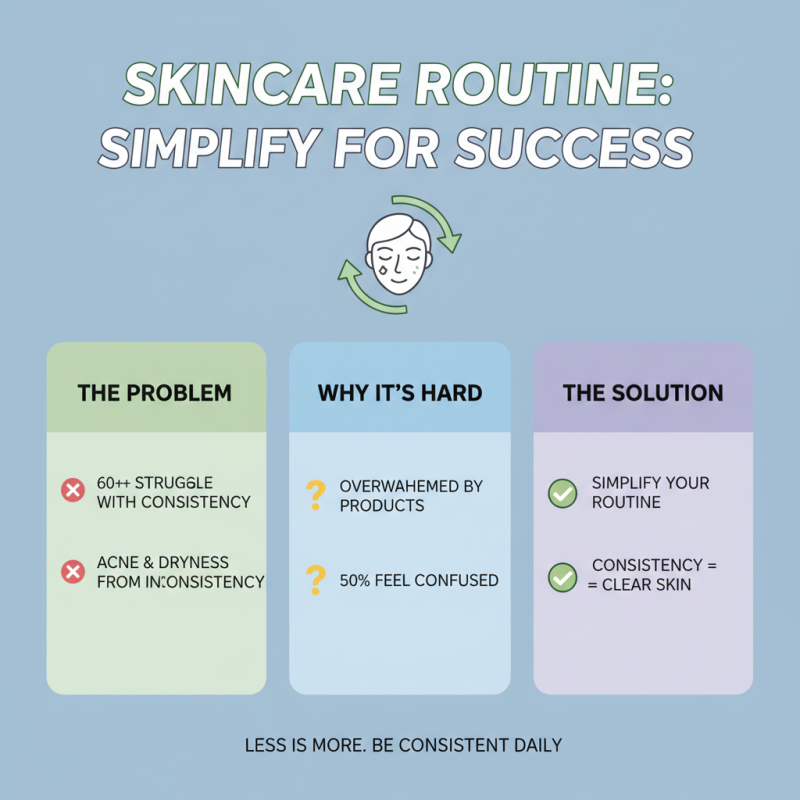
Establishing a consistent daily skin care routine is vital for achieving and maintaining clean skin. According to industry studies, over 60% of individuals struggle with maintaining a routine. This inconsistency often leads to skin issues like acne and dryness. Half of the people surveyed reported feeling overwhelmed by the multitude of products available. Simplicity often trumps complexity when it comes to skin care.
Incorporating a basic regimen is key. Start with cleansing, followed by moisturizing. Studies show that a well-hydrated skin barrier can reduce acne by up to 50%. However, many neglect the importance of sunscreen. Only 30% of people apply it daily, despite its crucial role in skin protection. Reflecting on our habits, it's clear that time management can hinder effective skincare.
Every routine may need personal adjustments. Some might find certain products irritate their skin. Keeping a journal of reactions helps identify these problems. A skin care routine is not just about products; it's about understanding your skin's needs. Embrace imperfections in your regimen and adjust as needed. Finding balance might take time, but it is essential for that healthy glow.
The Role of Nutrition and Hydration in Achieving Clean Skin
Nutrition and hydration play significant roles in achieving clean, glowing skin. Studies show that a diet rich in fruits and vegetables can enhance skin health. For example, a report from the National Institutes of Health indicates that antioxidants found in foods like berries and greens reduce oxidative stress. This stress can lead to skin issues such as premature aging. Consuming a variety of colorful produce not only provides essential vitamins but also supports collagen production.
Hydration is equally crucial. The skin is the body's largest organ and requires adequate water to maintain elasticity and glow. A dermatologist report suggests that drinking at least eight glasses of water daily can improve skin hydration levels. However, many people struggle to meet this goal. Inadequate hydration often leads to dryness and a dull appearance. Reflect on your daily water intake. Are you drinking enough? If not, small changes can make a big difference.
Remember, clean skin is not solely about external products. The internal balance is vital. A diet high in sugars and processed foods can worsen skin conditions. Revisiting dietary habits might highlight areas for improvement. So, consider what you eat and drink. Your skin will reflect those choices.
How Nutrition and Hydration Impact Skin Health
This chart illustrates the correlation between different levels of hydration and key nutritional factors with the assessment of skin health over a period of time. Regular intake of vitamins and minerals, combined with adequate hydration, contributes to achieving clean and glowing skin.